Wine Snobs vs Wine Lovers: A Completely Unofficial Showdown
 Tipple Tours
A few years ago, I watched two people order exactly the same wine.
The first spent several minutes inspecting the bottle, asking detailed questions about the vintage and discussing climate conditions in the vineyard. He swirled the wine carefully, held it against the light and took a thoughtful sip before announcing that it displayed “excellent balance and elegance.”
The second person took a large gulp and said, “That’s lovely. Can we get some cheese?”
To this day, I’m not entirely sure which one enjoyed the wine more.
The wine world has always contained two distinct tribes. On one side are the wine snobs. On the other are the wine lovers. The funny thing is that both groups often drink exactly the same bottles while somehow having completely different experiences.
After more than twenty-five years working in wine, visiting wineries and leading tours through places like Moldova and Georgia, I’ve met plenty of both. Sometimes they sit at opposite ends of the same tasting table. Occasionally they’re the same person depending on how much wine has already been consumed.
The distinction isn’t really about knowledge. Some of the most knowledgeable people I’ve ever met are wonderfully relaxed about wine. Likewise, some of the biggest snobs can barely tell a Merlot from a garden shed.
The real difference is attitude.
The Curious Habits Of Wine Snobs
Wine snobs are fascinating creatures.
They tend to approach wine with the intensity of someone attempting to crack a complex international code. Every bottle becomes an investigation. Every tasting note becomes a small performance. They often discuss wine in ways that leave normal people wondering whether they are describing a beverage or an emotionally challenging relationship.
I once attended a tasting where somebody described a wine as “brooding.”
Not bold.
Not rich.
Brooding.
The wine apparently possessed a mysterious personality and possibly unresolved issues.
Wine snobs also enjoy creating an atmosphere where wine feels more complicated than necessary. They can transform a perfectly pleasant glass of red into something that resembles a university lecture. Before long, everyone else at the table is quietly wondering whether they should have revised before arriving.
The strange thing is that wine snobbery often comes from insecurity rather than confidence. Many people desperately want to appear knowledgeable because wine has acquired a reputation for sophistication. Nobody wants to be the person who admits they simply like whatever tastes good.
So instead, they nod seriously when somebody mentions graphite, cigar box aromas or hints of wet stone.
Most normal drinkers have never intentionally smelled wet stone.
And if they have, it probably wasn’t one of the highlights of their week.
Why Wine Lovers Have More Fun
Wine lovers approach the whole experience differently.
They’re curious. They enjoy learning. They ask questions. But they rarely feel the need to prove anything. They understand that wine knowledge exists to increase enjoyment rather than establish social dominance over strangers.
The best wine lovers I’ve met are usually the people having the most fun.
They’re the guests on tours who happily try local wines they’ve never heard of. They’ll wander into a family winery in rural Georgia, accept a homemade glass of amber wine and spend the next hour chatting to the owner despite sharing roughly three words of common language.
Those experiences rarely happen to wine snobs.
Wine snobs often arrive with expectations. Wine lovers arrive with curiosity.
One of my favourite things about running tours is watching guests discover wines they never expected to enjoy. Somebody who insists they only drink Sauvignon Blanc suddenly falls in love with a Moldovan Fetească Albă. A committed red wine drinker unexpectedly becomes obsessed with an orange wine in Georgia.
The people who enjoy wine the most are rarely the people trying hardest to impress everyone else.
They’re too busy drinking it.
The Great Tasting Note Arms Race
Perhaps nowhere is the battle between snobs and lovers more visible than in tasting notes.
Wine lovers generally keep things simple.
“It’s fruity.”
“I like this one.”
“This would be dangerous on a sunny afternoon.”
Useful information.
Wine snobs, meanwhile, occasionally create tasting notes that sound as though they were generated by an artificial intelligence trained entirely on antique furniture catalogues.
Blackberries.
Leather.
Forest floor.
Tobacco.
Pencil shavings.
The faint memory of a Victorian library during light rainfall.
At a certain point, wine descriptions stop helping and start sounding like the introduction to a murder mystery.
Of course, tasting notes aren’t completely ridiculous. Wine genuinely contains complex aromas and flavours. The problem comes when people become so focused on analysing the wine that they forget to enjoy it.
I’ve seen guests become visibly stressed because they couldn’t detect the exact aromas somebody else was describing.
That’s completely normal.
Wine tasting isn’t a vision test.
There’s no prize for correctly identifying seventeen different fruits before lunch.
The Most Memorable Wine Experiences Never Involve Showing Off
When people return home from a wine trip, they rarely talk about tasting notes.
They talk about moments.
They remember enormous underground wine cellars beneath Moldova where roads have names and people occasionally get lost. They remember long lunches that quietly evolved into late dinners. They remember Georgian feasts where every toast somehow became more emotional than the last.
Nobody ever says:
“My favourite part was correctly identifying notes of cedar.”
The best wine experiences are usually connected to people rather than wine itself.
A local winemaker proudly sharing a family tradition.
A meal that lasts far longer than planned.
A conversation that becomes increasingly friendly as the bottles become increasingly empty.
That’s what wine is really for.
The bottle matters. The vintage matters. The vineyard matters.
But people matter more.
The Winner Of The Showdown
If this were a sporting event, wine lovers would probably win comfortably.
Not because they know more.
Not because they spend more.
Not because they possess superior tasting abilities.
They win because they remember the purpose of wine.
Wine was never designed to be a status symbol. For thousands of years it has been part of meals, celebrations, conversations and gatherings. It brings people together. It creates stories. It occasionally creates questionable decisions, but those often become the best stories later.
The happiest wine drinkers I know are not the ones chasing perfect tasting notes or memorising obscure vineyard classifications.
They’re the people who remain curious.
The people willing to try something unfamiliar.
The people who care more about enjoying the experience than impressing the room.
So if you ever find yourself at a tasting surrounded by people discussing the philosophical depth of a Pinot Noir, don’t panic.
Take a sip.
See if you like it.
And if somebody starts describing aromas of ancient parchment and distant thunderstorms, simply nod politely and continue enjoying your wine.
After all, wine is supposed to make life more enjoyable.
Not more exhausting.
Explore Related Tours
Turn This Story Into Your Adventure

Editorial Team
The Tipple Tours team writes about wine, beer, and travel based on firsthand experience running tours across Europe since 2018.
Learn more about usContinue Exploring
More Stories You'll Love
 🇺🇸 Weird America
How NOT to Swirl Wine (And Why Nobody Cares Anyway)
There's a fine line between 'experienced wine taster' and 'wizard having a moment'. Here's how to stay on the right side.
 🇺🇸 Weird America
Moldova: The Wine Country That Accidentally Stayed a Secret
Moldova is what happens when 5,000 years of winemaking meets zero interest in moderation. Expect underground wine cities, unstoppable grandmothers and “just one glass” turning into a full-blown life event. 🍷
 🇺🇸 Weird America
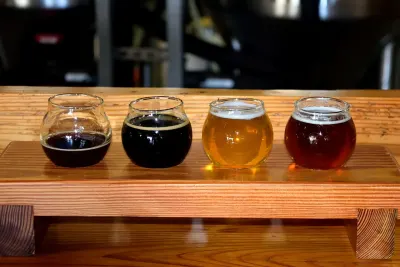
Beer Flights: What They Are (And How Not to Accidentally Ruin Them)
Everything you need to know about craft beer flights from selection strategy to drinking order. Spoiler: there is a wrong way to do it.
 🇺🇸 Weird America
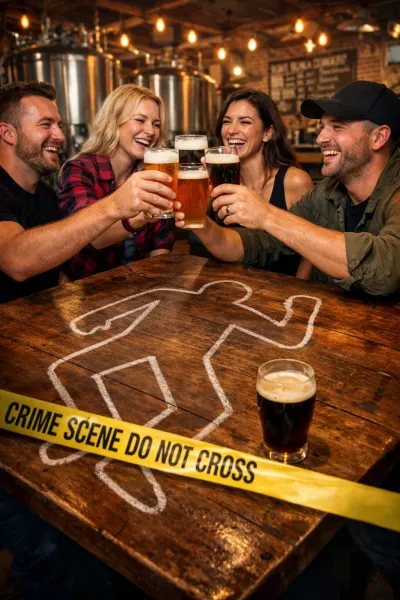
Hops & Homicide: Why This Might Be the Strangest (and Best) Beer Tour in America
There are normal brewery tours. You know the type: “This is how hops work”, “This is our fermentation tank” or “Please enjoy this responsibly sized tasting”. Lovely. Educational. Calm. This tour is not that.
 🇺🇸 Weird America
Ale-ien Encounters: A Completely Rational Guide to UFOs & Beer
There are normal beer tours. Then there are beer tours where at some point in the evening someone says: “Wait…what was that in the sky?” Welcome to Ale-ien Encounters. Where the beers are real and the explanations are optional.
 🇺🇸 Weird America
The 10 Types of People You Meet on a Beer or Wine Tour
Every tour begins the same way. Polite smiles, cautious introductions and that unspoken agreement that everyone will behave like reasonable adults. Then the first drinks arrive and within about 45 minutes, the group quietly transforms into something far more interesting. Nno matter where you are, whether it’s deep in a Moldovan wine cellar or hopping between breweries in the US, the same characters always show up. Different faces, same personalities. It’s like the universe is running a very specific casting call.