
Japan
Japan
Sake, Tiny Bars, Izakayas & Controlled Chaos
Forget the tourist Japan of temple selfies and bullet train box-ticking. Real Japan happens around 9pm, three drinks deep, in an izakaya where nobody speaks English and the owner just handed you something fermented that he's clearly very proud of. This is a country that turned drinking into precision engineering — sake brewing with the obsessive detail of watchmaking, whisky that humiliated Scotland, convenience store beer better than most craft breweries. But it's also gloriously weird: vending machines dispensing booze on street corners, karaoke boxes at 2am where salarymen belt out ABBA, and a 4am ramen culture designed specifically for the pleasantly drunk. Japan doesn't make sense until you're ordering your fourth dish at a standing bar the size of a closet, realising the best meal of your life costs less than a London sandwich. Then it makes perfect sense.
Japan Tours
2 expert-led small group tours available
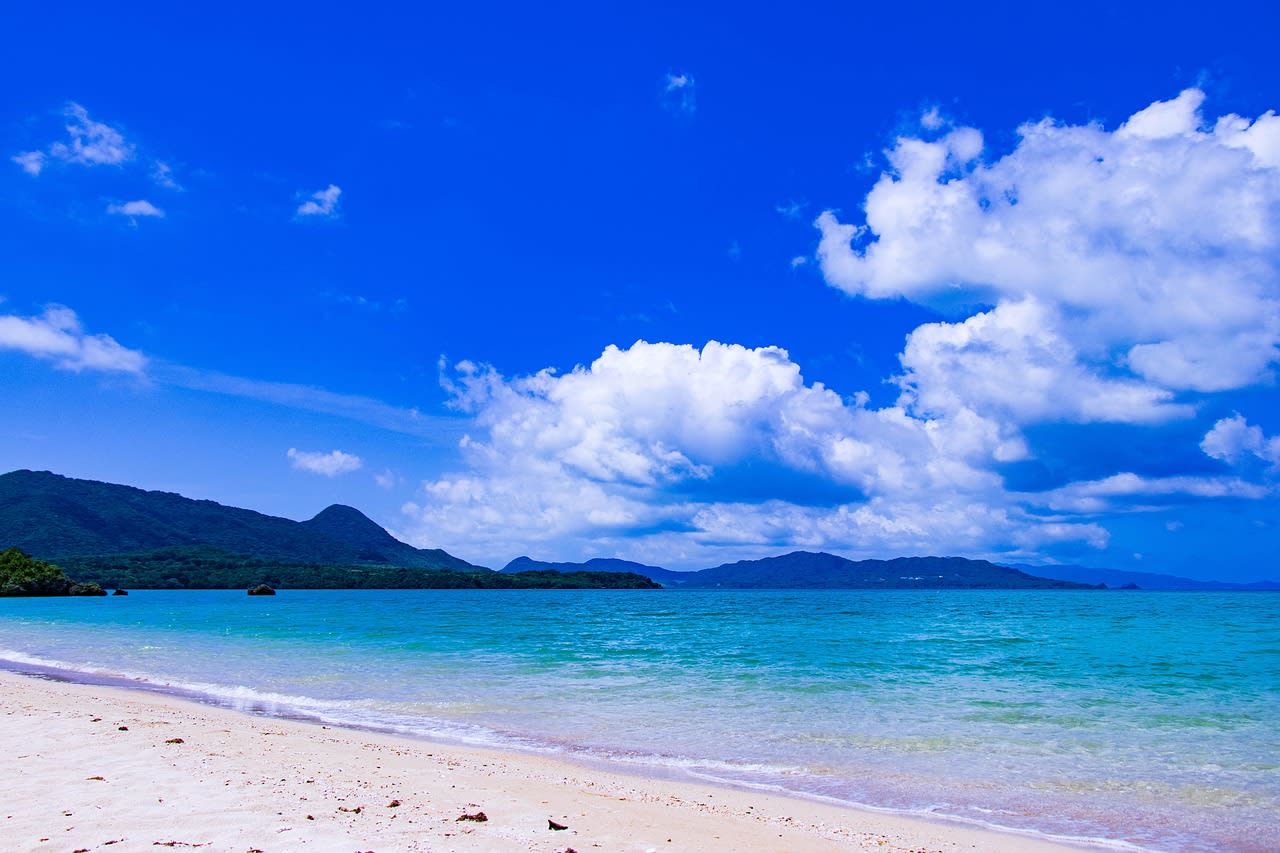
Okinawa: Blue Zones & Beer Zones
Blue Zones by day. Booze Zones by night. Welcome to Okinawa.
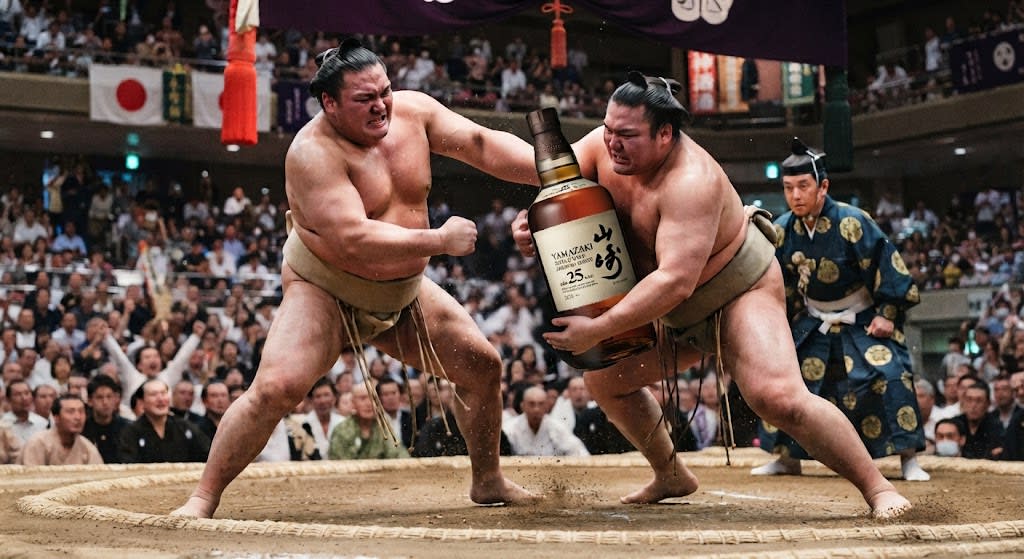
Japan: Sake, Sumo & Seriously Strange Stuff
Twelve gloriously bonkers days of sake breweries, Japanese whisky, Mount Fuji vineyards, sumo wrestlers, suspicious seafood and spectacularly bad karaoke.
Private & Custom Japan Experiences
Want to explore Japan's incredible drinking culture with just your group? We offer private Japan tours and can build custom itineraries — from Tokyo izakaya crawls to Kyoto sake breweries to Okinawa awamori adventures.
Private Sake & Bar Tours
Your group explores Japan's drinking highlights — tiny standing bars, sake breweries, whisky tastings, and izakayas that don't appear in any guidebook. With a guide who speaks Japanese and knows where locals actually drink.
Custom Regional Adventures
Want to focus on Japanese whisky distilleries? Sake regions like Niigata or Hiroshima? Okinawa's awamori culture? We'll build a bespoke Japan drinking adventure tailored to your interests.
Japan works year-round. Cherry blossom season (March-April) and autumn colours (November) are peak but expensive. Winter sake brewing season offers unique experiences.
Japan Highlights
Why Japan Matters
Japan took drinking seriously while everyone else was just getting drunk.
2,000 Years
Sake Brewing
Refined over millennia into an art form with 1,400+ active breweries
2001
Whisky Recognition
When Nikka beat Scottish distilleries in blind tastings. The world noticed.
80,000+
Izakayas
Where Japan actually drinks — casual, loud, excellent
5.5 Million
Vending Machines
Many dispensing beer. Street corner drinking: surprisingly normal
How Japan Mastered Everyone Else's Drinks (Then Made New Ones)
Japan has a habit of adopting foreign drinks and perfecting them beyond the original. Whisky? Studied from Scotland in the 1920s, dismissed as imitation for decades, then started winning international blind tastings against the masters. Now Yamazaki and Hakushu bottles fetch thousands at auction. Beer? German lagers were introduced in the 1870s; Japan now has one of the world's most exciting craft scenes, with breweries applying watch-maker precision to hop profiles. But it's the native traditions that truly impress. Sake brewing dates back 2,000 years, with techniques refined over generations — rice polished to exact percentages, water sourced from specific mountains, fermentation controlled like a science experiment. In Okinawa, awamori (distilled from Thai rice, aged in clay pots) predates sake and offers completely different flavours. Shochu, often overlooked, is Japan's most-consumed spirit — distilled from barley, sweet potato, or rice, it ranges from subtle to funky depending on the source. And umeshu, sweet plum wine, appears on every izakaya menu for good reason. The Japanese approach isn't about rigid tradition — it's about relentless improvement. Even convenience store beer reflects this: Japan's kombini stock is genuinely better than most countries' craft selections.
The whisky highball — just whisky and soda — became a Japanese obsession in the 1950s when Suntory promoted it as sophisticated and refreshing. Now bars have dedicated highball machines dispensing drinks at exact temperatures. The Japanese turned whisky and soda into a ritual. Only Japan could do this.
Why Tipple Tours Goes to Japan
We go to Japan because it breaks every assumption. The drinking culture isn't just good — it's arguably the world's most sophisticated, and nobody outside Japan really knows it yet. Sake isn't just rice wine; it's a 2,000-year-old brewing tradition with complexity that rivals any wine region. Japanese whisky went from "cute imitation" to auction-house darling in two decades — and actually deserves the hype. The craft beer scene applies Japanese precision to hops with predictably excellent results. But it's the context that kills us. A perfect highball in a six-seat Ginza bar where the bartender carves ice by hand. An izakaya in Osaka where the owner insists you try the local sake while his wife plates up things you've never seen before. Awamori in Okinawa — the spirit nobody outside Japan has heard of — paired with unexpected tropical food. We go because Japan has quietly built one of the world's great drinking cultures and barely bothered to tell anyone. Their loss. Your gain.
Weird Facts & Local Legends
Convenience Store Excellence
Japanese convenience stores (konbini) stock better alcohol than most countries' bottle shops. 7-Eleven sells excellent sake. Family Mart has craft beer. Lawson carries regional specialties. The 2am convenience store beer run is a legitimate Japanese drinking tradition.
Vending Machine Culture
Japan has more vending machines per capita than anywhere — one for every 23 people. Many dispense beer and chu-hi (shochu highballs). Drinking on the street is legal and normal. The novelty never quite wears off for visitors.
The Tachinomi Standing Bar
Japan has thousands of 'tachinomi' — standing-only bars where you drink excellent beer or sake standing up, often in spaces that fit six people maximum. They're cheap, fast, unpretentious, and often better than fancy sit-down establishments.
Awamori: Okinawa's Secret Spirit
Okinawa's indigenous spirit is awamori — distilled from Thai indica rice using black koji mold, aged in clay pots. It predates sake and whisky. Most Japanese mainlanders barely know it. It's incredible, and you've probably never heard of it. That changes now.
The Karaoke Drinking System
Japanese karaoke boxes charge by the hour and include unlimited drinks (nomihoudai). You rent a private room, order from a touch screen, and sing without strangers judging. By 2am, everyone is belting out Queen. This is peak Japanese drinking culture.
Things to Do in Japan
Izakaya Deep Dive
The izakaya is where Japan really drinks — casual pubs with small plates, endless drinks menus, and the noise level of people actually having fun. We'll take you beyond the tourist spots to places where pointing at food works better than menus.
Find authentic izakayasSake Brewery Experience
From Kyoto's historic Fushimi district to Niigata's snow country, sake breweries offer tastings and tours that explain why rice polishing percentages matter. Spoiler: they really matter.
Explore sake breweriesOkinawa & Awamori Discovery
Japan's tropical south has its own culture, food, and spirit. Awamori is unlike anything else — aged in clay pots, served with water, and part of a drinking tradition older than mainland sake. Okinawa feels like a different country. It kind of is.
Okinawa tour infoTiny Bar Hopping
Golden Gai's 200+ tiny bars, Osaka's standing tachinomi, Kyoto's hidden gems. Japan specialises in drinking establishments the size of walk-in closets with more character than most cities' entire bar scenes.
Navigate the tiny barsJapanese Whisky Pilgrimage
Yamazaki, Hakushu, Yoichi, Chichibu — the distilleries that humiliated Scotland. Book months ahead, bring patience, and prepare to understand why bottles fetch thousands. The hype is real.
Plan distillery visitsLate Night Food & Drink Culture
Japan's 4am ramen shops exist specifically for the pleasantly drunk. Combine with karaoke boxes, convenience store beer runs, and standing bars that never seem to close. Sleep is for the flight home.
Late night recommendationsBest Time to Visit Japan
Spring or Autumn (but honestly, any time works)
Yes, cherry blossoms exist. Yes, they're crowded. Autumn colours are equally beautiful with fewer tourists. Summer is hot and humid but has beer festivals. Winter means hot sake and fewer crowds. The izakayas are open year-round, which is really what matters.
Key Events & Festivals
- Sake Day / Nihonshu no Hi (October 1) — National celebration
- Niigata Sake no Jin (March) — Japan's biggest sake festival
- Sapporo Beer Festival (July-August) — Hokkaido's famous beer garden
- Okinawa Awamori Festival (November) — Spirit discovery
- Tokyo Whisky Festival (various dates)
Solo Travellers Welcome — Own Room Included
✓ Own room at no extra cost for solo travellers
Flying solo to Japan? No single supplement here. All solo travellers on our Japan tours get their own room at the per-person price — no awkward roommate lottery, no extra charges. Japan's drinking culture is incredibly solo-friendly anyway: izakaya counters, standing bars, and ramen shops are designed for solo diners. You'll fit right in.
Getting to Japan
By Air
- Airport
- Tokyo Narita (NRT), Tokyo Haneda (HND), Osaka Kansai (KIX), Naha (OKA) for Okinawa
- Flight Time from London
- 11-12 hours from London direct
- Airlines
- British Airways, JAL, ANA offer direct flights. Budget options via Asia hubs. Okinawa requires a domestic connection or direct flight from Asian cities.
- Visa
- UK/EU/US citizens: No visa required for stays up to 90 days.
Pro Tip
JR Pass covers unlimited bullet trains — essential for brewery hopping. Trains run exactly on time (to the second, genuinely). English is less common outside major cities; Google Translate and pointing work fine. Download offline maps.
Local Tips for Japan
Never tip. Anywhere. Ever. It's confusing at best, offensive at worst.
Pour for others, not yourself. They'll reciprocate. It's about connection, not servitude.
"Kanpai" (cheers) before the first sip. Wait for everyone to be served. This matters.
Most bars have cover charges (¥300-1000). It's normal and usually includes a small snack (otoshi). Don't argue.
Last trains are around midnight. Miss it and you're either walking, taking an expensive taxi, or joining everyone else at an all-night izakaya. The third option is correct.
Strong Zero (9% canned chu-hi) from convenience stores is popular but dangerous. Approach with respect.
Drinking on the street is legal. Drinking on trains is also legal. Japan is civilised.
Pointing at food works better than trying to read menus. Most izakayas have picture menus or plastic food displays anyway.
Japan Travel FAQs
Do I need to speak Japanese?
Can I visit whisky distilleries without reservations?
What's the deal with sake types?
What is awamori and where do I find it?
How expensive is drinking in Japan?
Is karaoke actually fun?
Ready to Explore Japan?
Join one of our small group tours and experience Japan like a local.

