Driving a Soviet Lada Across Moldova: An Unexpected Business Plan
 Tipple Tours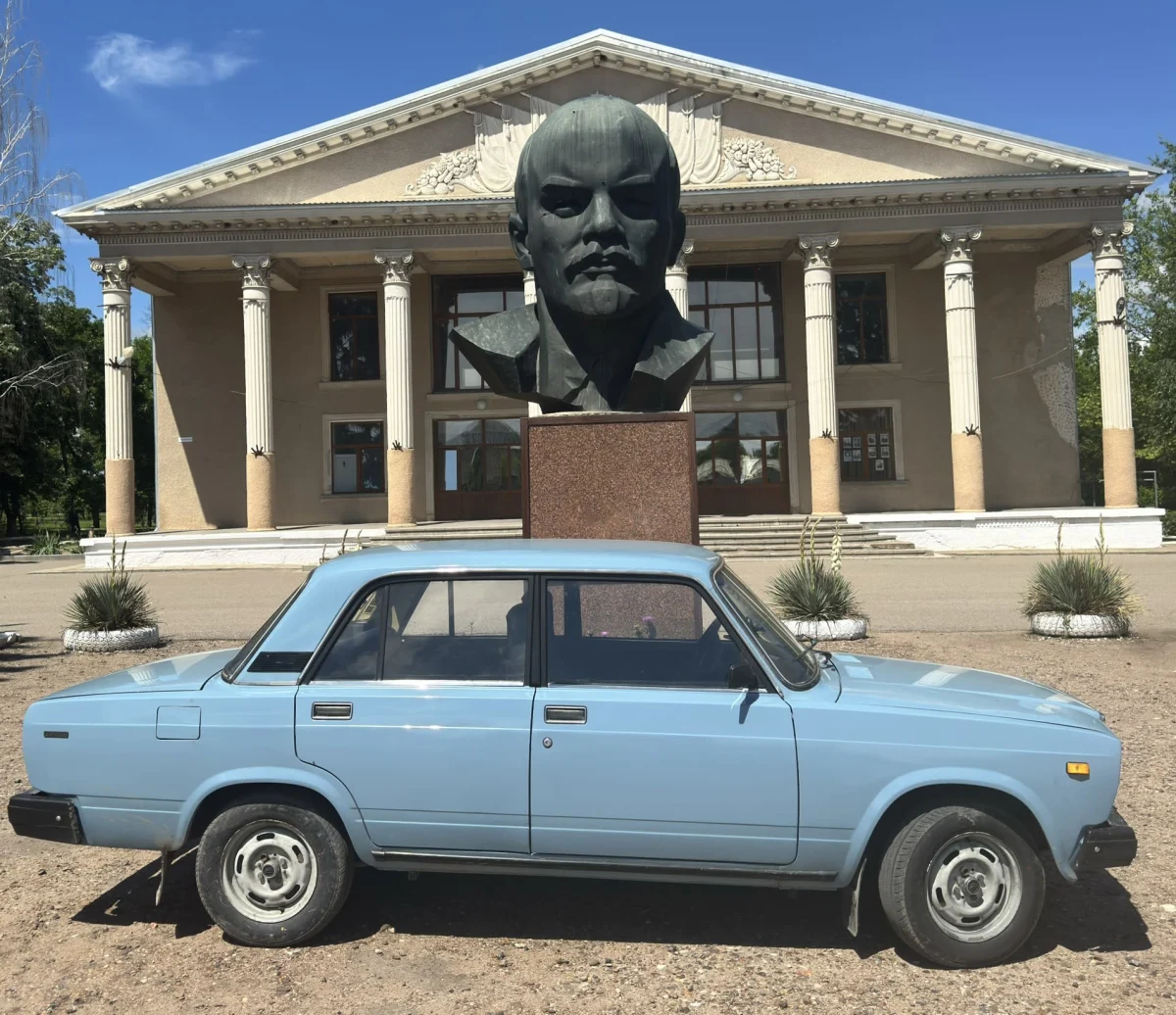
There are plenty of sensible ways to explore Moldova.
You can hire a modern car with air conditioning, Bluetooth, lane assist, heated seats and enough technology to launch a small satellite. You can join an organised coach tour or sit in the back of a taxi while somebody else worries about potholes and directions.
Or you can buy a Soviet Lada that was already old when George Bush Senior was in the White House.
Naturally, I chose the third option.
His name is Boris.
And despite repeated evidence to the contrary, I remain convinced it was a good idea.
How This Entire Situation Started
When I moved to Moldova to develop Tipple Tours in this part of the world, my plan was straightforward. I wanted to spend more time exploring wineries, meeting producers and discovering the sorts of places that rarely appear in guidebooks. Moldova has some of Europe's best wine, some wonderfully eccentric attractions and enough hidden corners to keep curious travellers busy for years.
At no point did my business plan mention purchasing an elderly Soviet automobile.
Then I saw Boris.
Like most bad decisions, it started with enthusiasm and ended with paperwork.
The sensible part of my brain immediately identified several concerns. The car was old. Parts might be difficult to find. Reliability was uncertain. There were probably dozens of reasons why purchasing Boris was not the smartest business investment.
The other part of my brain imagined driving through vineyards with guests, stopping at hidden wineries and creating stories nobody else could offer.
Unfortunately, that part won.
Meeting Boris
Modern cars are remarkably competent. They start every morning, behave predictably and generally avoid surprising their owners.
Boris has a different approach.
The steering feels less like a command and more like a polite request. Several dashboard gauges appear to be operating according to information available only to themselves. The fuel gauge, in particular, seems to treat accuracy as an optional extra.
Then there are the noises.
Every journey comes with its own soundtrack of rattles, vibrations, squeaks and mysterious mechanical conversations taking place somewhere beneath the floor. During the first few weeks, every new sound triggered mild panic.
Was that normal?
Had it always made that noise?
Was something expensive about to happen?
Eventually I realised Boris had probably been making most of these sounds for decades.
The Joy of Moldovan Roads
Moldova is a fantastic country to drive through. One minute you're passing vineyards stretching across rolling hills. The next you're driving through villages where horse carts still share the road with German SUVs.
The scenery constantly changes.
The road quality occasionally does too.
Some roads are excellent. Others appear to have survived several governments, three economic systems and at least one argument with a tractor.
Fortunately, Boris was designed for this sort of environment. Soviet engineers weren't building cars for smooth motorways and supermarket car parks. They were building cars for enormous distances, rough roads and owners who expected things to keep working no matter what.
Looking at Boris, you get the impression the designers expected civilisation to collapse at any moment and wanted people to remain mobile afterwards.
Everybody Has A Lada Story
One of the unexpected benefits of owning Boris is that he attracts people.
Modern cars are invisible. Nobody walks across a car park to admire a silver crossover or photograph a generic hatchback. Boris, however, generates conversations wherever he goes.
Fuel stops take longer than they should.
People approach to share stories about the Lada they owned during Soviet times. Others tell me about learning to drive in one. Some simply seem amazed that a car of this age is still travelling around Moldova carrying tourists and wine enthusiasts.
I've had conversations in petrol stations, supermarket car parks, winery courtyards and village streets.
Sometimes Boris feels less like a vehicle and more like a social networking platform on wheels.
Boris Goes Wine Tasting
The real surprise came when I started taking guests to wineries.
I assumed people would enjoy the wine, the scenery and the cellar tours. I didn't expect Boris to become part of the attraction.
Yet everywhere we go, people smile when they see him.
Winery staff come outside to look at the car. Guests photograph him before they've even entered the tasting room. Locals give approving nods as though Boris is an old friend they haven't seen in years.
A luxury vehicle says one thing.
A Soviet Lada says something entirely different.
It suggests that today's itinerary may not be entirely predictable.
That's usually a good thing.
The Transnistria Test
If you own a Soviet car, there is one destination that feels almost mandatory.
Transnistria.
For those unfamiliar with the region, Transnistria is a self-declared republic squeezed between Moldova and Ukraine. Lenin statues still stand proudly in public squares, Soviet symbols remain visible and visitors often feel as though they've wandered into an alternative timeline.
Driving Boris there feels strangely appropriate.
Outside Parliament in Tiraspol, he looks perfectly at home. Park him near a Soviet memorial and he practically becomes part of the exhibit. Outside a restaurant called Back In The USSR, he blends into the surroundings so well that people occasionally photograph everything except the restaurant.
It's one of the few places on Earth where Boris doesn't seem old.
He seems contemporary.
Learning To Trust The Car
During the first few months, every journey involved a degree of anxiety. I listened carefully for new noises and paid suspicious amounts of attention to warning lights.
Then something changed.
The more I drove Boris, the more I began to understand him.
Not in a mystical way.
Let's not get carried away.
But I started recognising which rattles mattered and which ones were simply part of his personality. I learned that certain vibrations always happened at particular speeds. I discovered that some noises appeared dramatically for a few minutes and then disappeared for weeks.
Owning Boris is a bit like owning a large, slightly eccentric dog.
Eventually you stop worrying about every strange behaviour and accept that's just how they are.
The Unofficial Face of Tipple Tours
When I bought Boris, I thought he would simply be transport.
Instead, he's become part of the brand.
Guests ask about him before tours begin. People mention him in reviews. Complete strangers recognise him from social media photographs.
He's appeared in more pictures than some of Moldova's tourist attractions.
Which is mildly concerning.
Boris doesn't help with administration. He contributes very little to strategic planning and his customer service skills are questionable at best.
But he does create memorable experiences.
And that's ultimately what travel is about.
Why A Soviet Lada Makes Sense
Tourism often focuses on making everything easier, faster and more efficient.
Boris does none of those things.
Instead, he slows people down. He creates conversations. He encourages curiosity. He turns an ordinary transfer between wineries into part of the adventure.
Nobody remembers a journey in a generic modern vehicle.
People remember crossing Moldova in a Soviet Lada.
They remember the stories, the photographs, the reactions from locals and the slight sense that absolutely anything could happen next.
Was It A Good Idea?
Honestly?
I'm still not entirely sure.
What I do know is that Moldova rewards curiosity. The best experiences often happen away from the main roads, beyond the famous wineries and far from the places most tourists ever visit.
Boris fits perfectly into that world.
He's not the fastest car I've owned. He's certainly not the most comfortable. And there are moments when modern engineering feels extremely appealing.
But he's memorable.
And memorable beats perfect every single time.
After all, every great adventure starts with a slightly questionable decision.
For Tipple Tours, that decision was Boris.
So far, against all odds, it's working beautifully.
Explore Related Tours
Turn This Story Into Your Adventure
Editorial Team
The Tipple Tours team writes about wine, beer, and travel based on firsthand experience running tours across Europe since 2018.
Learn more about usContinue Exploring
More Stories You'll Love
 🗿 Soviet & Strange
Moldova's Most Bizarre Attractions: The Places That Made Me Wonder If I'd Taken a Wrong Turn
Most people come to Moldova for the wine. I did too. What I didn't expect were giant Soviet mosaics, abandoned mega-hotels, underground wine cities and a breakaway republic that feels like a time machine. Welcome to Moldova's wonderfully weird side.
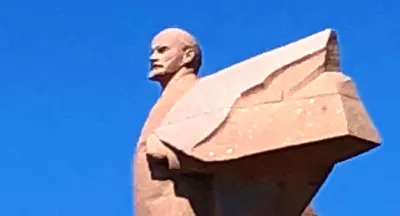 🗿 Soviet & Strange
25 Weird Things To Do In Transnistria: Europe's Most Fascinating Wrong Turn
Transnistria has Lenin statues, Soviet mosaics, rope ferries, giant bottle collections and a currency recognised by almost nobody. After years of exploring the region, I've come to one conclusion: it's either Europe's strangest destination or its most entertaining. Possibly both.
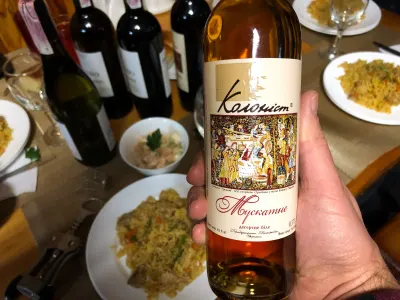 🍷 Wine Adventures
The Time I Hosted a Wine Tasting Inside Chernobyl (Apparently a Normal Venue Was Too Obvious)
Most wine tastings take place in vineyards, cellars or hotels. Mine took place inside the Chernobyl Exclusion Zone after a day exploring abandoned cities and one of history's most famous disaster sites. Looking back, it remains the most unusual venue I've ever used and one of the best stories I've ever brought home.
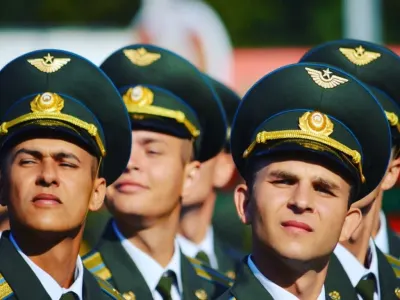 🗿 Soviet & Strange
The Complete Guide to Soviet Tiraspol: Europe's Most Unexpected Capital City
Tiraspol has giant Lenin statues, Soviet tanks, excellent brandy and enough Cold War atmosphere to make visitors check the date on their phone. After countless visits, I've realised it's not Europe's strangest capital. It's Europe's most fascinating surprise.
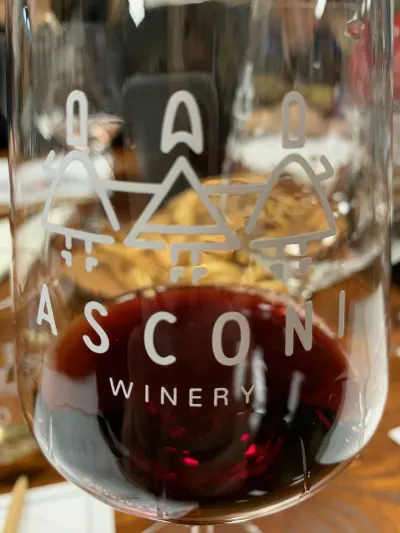 🗿 Soviet & Strange
The World's Weirdest Wine Regions: Places That Prove Grapes Have Better Adventures Than Most People
I've tasted wine beside volcanoes, inside underground cities and in countries that most travellers couldn't locate on a map. After twenty-five years in the wine trade, I've discovered that the world's weirdest wine regions often produce the best stories, and occasionally the best wine too.
 🍺 Beer Adventures
Why Wine & Beer Tours Are More Fun Than Therapy (And Usually Cheaper)
After years running boozy tours, I've noticed a pattern. Guests arrive stressed, glued to their phones and talking about work. A few days later they're laughing with strangers in vineyards and breweries wondering why they don't do this more often. Coincidence? Possibly. Wine and beer certainly isn't hurting.