Moldova's Most Bizarre Attractions: The Places That Made Me Wonder If I'd Taken a Wrong Turn
 Tipple Tours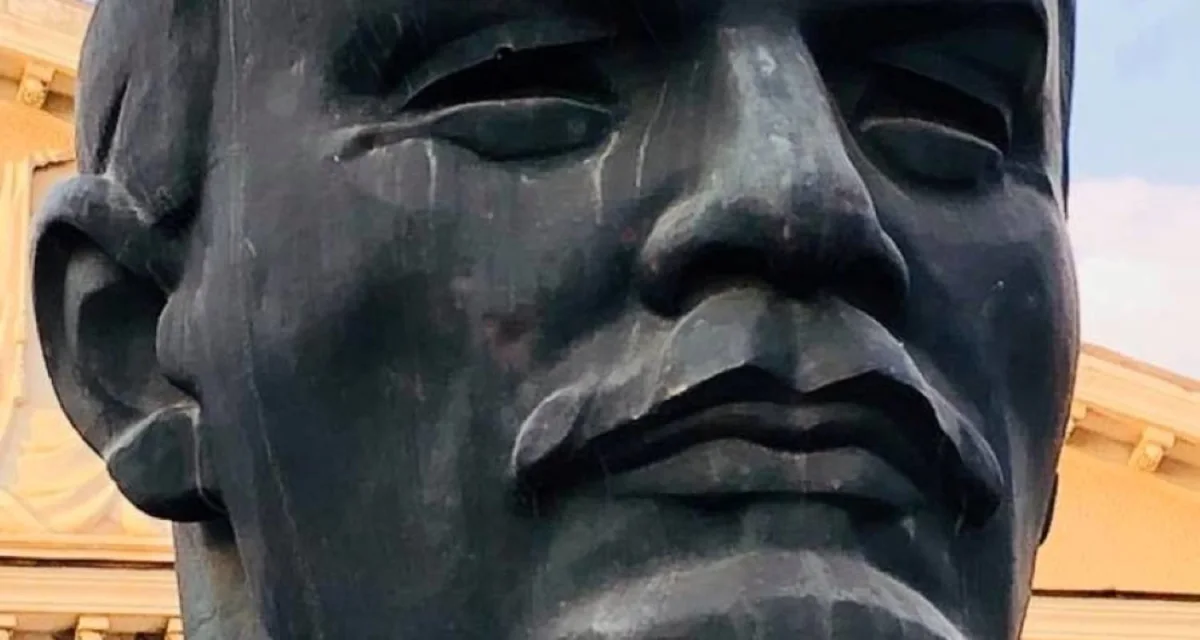
When I first moved to Moldova, I expected wine.
Lots of wine.
That part turned out to be true. Moldova has some of Europe's best wineries, the world's largest underground wine cellars and enough local hospitality to make visitors wonder whether they should book a one-way ticket.
What I didn't expect was the weird stuff.
The giant abandoned buildings. The Soviet relics. The mysterious monuments. The villages that seem frozen in time. The attractions that make you stop the car, stare for a moment and ask, "Why is that here?"
As the years have gone by, I've discovered that Moldova's strangest attractions are often its most memorable. The famous wineries are wonderful, but some of my favourite travel stories have come from places that never appear on the front of a brochure.
Which is probably why I keep visiting them.
The Apartment Block That Looks Like A Giant Concrete Flower
The first time I saw Chișinău's famous Romanița apartment building, I genuinely thought somebody was playing a practical joke.
Rising above the city skyline, the building resembles a giant concrete daisy designed by an architect who had clearly decided conventional shapes were overrated. Built during the Soviet era, it's one of those structures that somehow manages to look futuristic and outdated at exactly the same time.
Every visitor reacts the same way.
They stop.
They stare.
Then they take photographs.
It's impossible not to.
The building feels less like an apartment block and more like the headquarters of a fictional villain who specialises in affordable housing.
Hotel National: Moldova's Most Photographed Eyesore
Most cities have a famous landmark.
Chișinău has Hotel National.
Technically, it's an abandoned Soviet hotel. In practice, it's become one of the most photographed buildings in the country. The vast concrete structure dominates part of the city skyline like a giant reminder that somebody, somewhere, once had very ambitious plans.
For years it has attracted photographers, urban explorers and curious travellers.
It shouldn't be beautiful.
Yet somehow it is.
The graffiti-covered exterior, broken windows and crumbling façade have created a strange kind of accidental artwork.
I've taken countless guests there over the years.
Nobody ever says:
"That was exactly what I expected."
The Giant Lenin Heads And Soviet Oddities
One of the things I love about Moldova is that traces of the Soviet Union are still everywhere if you know where to look.
You can be driving through the countryside and suddenly encounter a monument, a mosaic or a statue that feels like it has been waiting patiently since 1985 for somebody to notice it again.
Some are impressive.
Some are strange.
Some are impressively strange.
The giant Soviet mosaics scattered across the country are among my favourites. Built to celebrate everything from workers and farmers to scientific achievement and optimism, they now stand as colourful reminders of a very different era.
Occasionally they appear in places so unexpected that they feel almost surreal.
One minute you're looking for a winery.
The next you're standing beneath a giant concrete cosmonaut.
The Country That Accidentally Built An Underground City Of Wine
Moldova is home to some extraordinary wineries.
Then there is Cricova.
And Mileștii Mici.
Calling them wineries almost feels unfair because both resemble underground cities more than traditional wine cellars. Beneath the countryside lies a maze of tunnels stretching for kilometres, filled with millions of bottles and enough wine to concern several governments.
The first time I drove through one of these underground streets, I couldn't stop laughing.
The roads have names.
The tunnels have addresses.
At some point somebody looked at a cave full of wine and thought:
"We should make this bigger."
Thankfully, they did.
Today these vast cellars are among Moldova's most remarkable attractions and regularly feature on our wine tours because no description truly prepares people for the scale.
The Village That Feels Like Time Forgot It
One of the biggest surprises in Moldova isn't a single attraction.
It's the villages.
Drive far enough into the countryside and you'll find places where horse carts still outnumber tourists and local life follows rhythms that haven't changed much for generations.
I've spent afternoons sitting outside village houses drinking homemade wine with people who had never met a British wine merchant before.
Those conversations usually begin cautiously.
Then somebody brings food.
Then somebody else brings wine.
Several hours disappear.
Moldova has a remarkable ability to turn a quick stop into an unexpected adventure.
Which is wonderful for travellers.
Slightly less wonderful for itineraries.
The Monastery Hidden In The Hills
Moldova's monasteries deserve far more attention than they receive.
Some are tucked away among forests. Others sit dramatically on hillsides overlooking the countryside. Many contain centuries of history and enough tranquillity to make modern life feel very far away.
One of my favourites is the sort of place you discover almost by accident.
You drive along winding roads, pass tiny villages and eventually arrive somewhere that feels completely disconnected from the outside world. Birds sing. Church bells ring. Visitors lower their voices without really knowing why.
It's peaceful.
Until Boris the Soviet Lada arrives.
Then things become slightly louder.
Transnistria: The Attraction That Isn't Technically Moldova
No article about bizarre Moldovan attractions would be complete without mentioning Transnistria.
Crossing into Transnistria is one of the strangest travel experiences in Europe. The region operates as a self-declared republic, complete with its own institutions, currency and atmosphere.
Driving into Tiraspol often feels like driving into a parallel universe.
Lenin statues remain prominent. Soviet symbols are common. The architecture tells stories from another era. Even everyday life seems to move at a slightly different pace.
Visitors love it.
Not because it's perfect.
Because it's unlike anywhere else.
It's also one of the reasons our Soviet-themed tours have become so popular. People are increasingly searching for destinations that feel genuinely different.
Transnistria certainly qualifies.
Why The Weird Stuff Is Often The Best Stuff
The more I travel around Moldova, the more convinced I become that its strangest attractions are often its greatest strengths.
The wineries are world-class.
The food is fantastic.
The hospitality is exceptional.
But it's the unexpected moments people remember most.
It's spotting a Soviet mosaic in the middle of nowhere. It's discovering an abandoned hotel that looks like a film set. It's driving through underground wine tunnels or stumbling across a monument that nobody mentioned in the guidebook.
Those are the stories people tell when they get home.
Those are the photographs people show their friends.
And those are the experiences that make Moldova such a fascinating place to explore.
Why We Keep Searching For The Strange
At Tipple Tours, we've spent years searching for the unusual side of Moldova.
The hidden wineries.
The forgotten monuments.
The odd attractions.
The places that make visitors laugh, stare or reach for their camera.
Not because they're famous.
Because they're memorable.
The truth is that Moldova rewards curiosity. The further you venture beyond the obvious attractions, the more interesting the country becomes. Around almost every corner is another strange story waiting to be discovered.
Which is exactly why I keep exploring.
And exactly why I keep finding new reasons to love this wonderfully bizarre little country.
Explore Related Tours
Turn This Story Into Your Adventure
Editorial Team
The Tipple Tours team writes about wine, beer, and travel based on firsthand experience running tours across Europe since 2018.
Learn more about usContinue Exploring
More Stories You'll Love
 🗿 Soviet & Strange
25 Weird Things To Do In Transnistria: Europe's Most Fascinating Wrong Turn
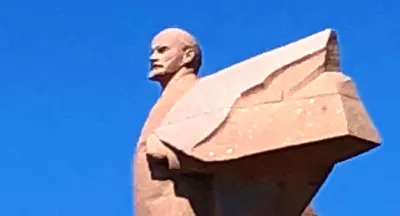
Transnistria has Lenin statues, Soviet mosaics, rope ferries, giant bottle collections and a currency recognised by almost nobody. After years of exploring the region, I've come to one conclusion: it's either Europe's strangest destination or its most entertaining. Possibly both.
 🗿 Soviet & Strange
The Complete Guide to Soviet Tiraspol: Europe's Most Unexpected Capital City
Tiraspol has giant Lenin statues, Soviet tanks, excellent brandy and enough Cold War atmosphere to make visitors check the date on their phone. After countless visits, I've realised it's not Europe's strangest capital. It's Europe's most fascinating surprise.
 🗿 Soviet & Strange
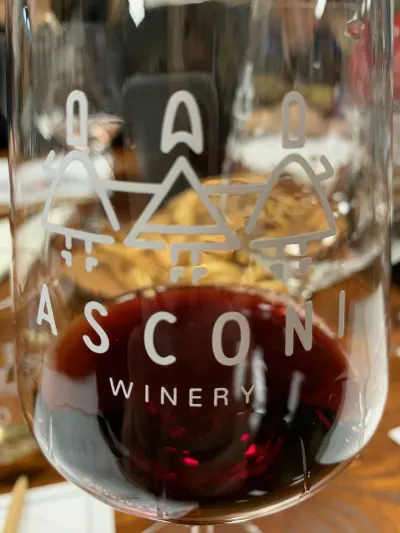
The World's Weirdest Wine Regions: Places That Prove Grapes Have Better Adventures Than Most People
I've tasted wine beside volcanoes, inside underground cities and in countries that most travellers couldn't locate on a map. After twenty-five years in the wine trade, I've discovered that the world's weirdest wine regions often produce the best stories, and occasionally the best wine too.
 🍷 Wine Adventures
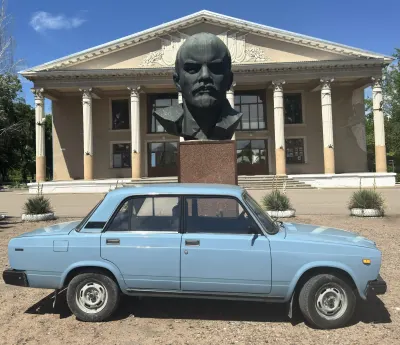
Driving a Soviet Lada Across Moldova: An Unexpected Business Plan
Most tour companies buy minibuses. I bought a 36-year-old Soviet Lada called Boris. Against all logic, he's become one of the most popular members of the Tipple Tours team. This is the story of how a questionable purchase turned into one of Moldova's most memorable wine adventures.
 🗿 Soviet & Strange
I Went to North Korea Looking for Booze. Things Got Weird Surprisingly Quickly.
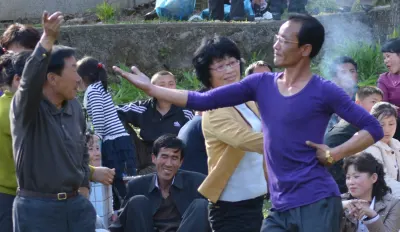
Most people visit North Korea for the history, politics or sheer curiosity. I went because I wanted to know what people were drinking. What followed involved local beer, unexpected meals and the realisation that even the world's most secretive country can surprise a wine merchant.
 🗿 Soviet & Strange
Why Is Everyone Staring at Me? The Tipple Tours Guide to the International Staring Championships
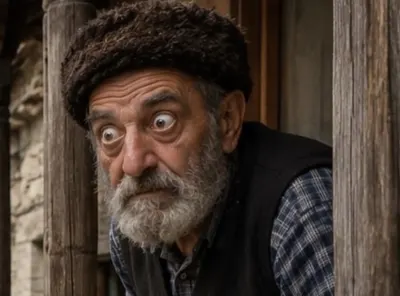
Ever wondered why everyone is staring at you when you travel? From the professional café stare of France and Italy’s full head-to-toe inspection to Georgia, where staring appears to be a national spectator sport, we investigate one of travel’s great mysteries: what exactly are they looking at?