The Time Tipple Tours Organised a Kilimanjaro Trek and Accidentally Forgot About Alcohol
 Tipple Tours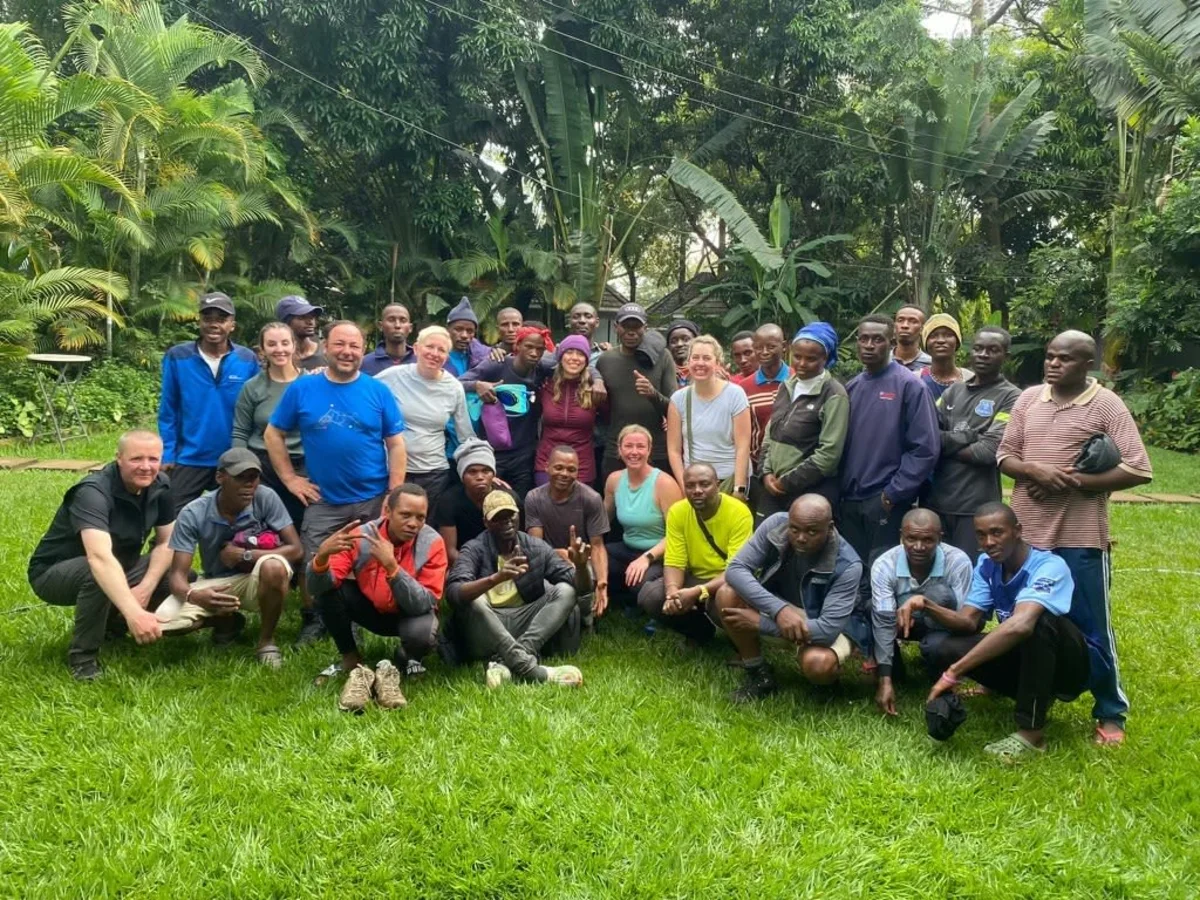
There are certain things people expect from Tipple Tours.
Wine tastings in Moldova. Georgian feasts where grandmothers attempt to feed guests for several consecutive days. Craft beer adventures through strange corners of America. The occasional Soviet monument. Quite a lot of local alcohol.
What people generally don't expect is a trekking expedition up Africa's highest mountain. To be honest, neither did I.
Yet a few years ago, thanks to our friend Andre and an excellent local mountain team led by Aloyce, Tipple Tours found itself helping organise Kilimanjaro adventures. They were all incredible trips filled with spectacular scenery, exhausted hikers and personal achievement.
There was just one small issue.
No booze was allowed on the mountain.
This Was Not A Normal Tipple Tours Problem
When I first heard about the trek, my instinctive response was enthusiasm.
Kilimanjaro is one of those destinations that instantly captures the imagination. The highest mountain in Africa. Nearly 6,000 metres above sea level. Snow-capped peaks rising above Tanzania. Thousands of people travelling from around the world to test themselves against one of the continent's great challenges.
It sounded magnificent.
Then I started looking at the itinerary.
There were mountains.
There were camps.
There were guides.
There were porters.
There was an alarming lack of wineries.
As somebody who has built a career around helping people discover local drinks, this immediately felt unusual.
Enter Andre And Aloyce
The good news was that the trip was in excellent hands.
Andre had organised the expedition while Aloyce and his local team handled the mountain itself. If you've ever climbed Kilimanjaro, you'll know how important experienced local guides are. They know the mountain, understand the conditions and somehow remain cheerful while escorting exhausted visitors up a giant volcano.
The trekkers loved them.
By all accounts, Aloyce and his team were outstanding throughout the journeys. They kept spirits high, managed logistics and helped guests achieve something many had dreamed about for years.
Meanwhile, I was trying to understand how a company known for wine tours had become involved in a trekking expeditions. Life occasionally takes unexpected turns.
The Daily Routine Looked Suspiciously Healthy
As updates arrived from the mountain, a pattern quickly emerged.
People were waking up early.
Walking.
Eating sensible food.
Going to bed.
Then repeating the process.
There were no brewery visits.
No wine tastings.
No local brandy experiences.
At one point I found myself reviewing photographs from the trek and noticing an almost complete absence of alcohol. Instead, there were mountains, clouds, campsites and increasingly spectacular scenery.
The participants seemed delighted.
This confused me slightly.
The Mountain Doesn't Care Who You Are
One thing that became clear from every conversation afterwards was how much respect people developed for Kilimanjaro.
The mountain treats everyone equally.
It doesn't care what job you have, how successful you are or how many countries you've visited. Once the altitude starts increasing, everybody faces exactly the same challenge. Walking becomes harder, breathing becomes more noticeable and every step suddenly feels slightly more valuable.
The mountain has a way of simplifying life.
For several days, the only objective is reaching the next camp.
Then the next one.
Then eventually the summit.
Compared with everyday life, it's refreshingly straightforward.
Summit Night Sounds Completely Irrational
Every climber I spoke to described summit night in remarkably similar terms.
Cold.
Dark.
Long.
Worth it.
Apparently, the accepted strategy involves waking up at an early hour and then hiking uphill through freezing temperatures.
This is considered perfectly normal mountaineering behaviour.
The reward, however, is extraordinary. Watching the sunrise from the roof of Africa is one of those experiences that stays with people forever. The photographs looked incredible but every participant told me the same thing.
The photographs don't really capture it. Some experiences are simply too big.
The First Drink Afterwards Became Legendary
The funny thing about spending several days on a mountain is that it dramatically increases your appreciation for ordinary comforts.
A proper mattress feels luxurious.
A hot shower feels miraculous.
A cold drink feels like one of humanity's greatest inventions.
Almost everybody who completed the trek (100% success rate) mentioned the first celebratory drink afterwards. Not because it was particularly rare or expensive but because it arrived after days of effort, determination and altitude.
Kilimanjaro had accidentally created the world's most effective marketing campaign for beverages.
As somebody from Tipple Tours, I found this reassuring.
What Kilimanjaro Taught Us
Looking back, the trips were a reminder that travel isn't really about alcohol.
I know that's a dangerous statement for somebody in my position.
The reality is that great travel has always been about stories, people and experiences. Wine, beer and local drinks happen to be brilliant ways of discovering those things, which is why we love them so much. But occasionally an adventure comes along that proves the point without opening a single bottle.
Kilimanjaro was one of those adventures.
Guests returned with stories of spectacular scenery, incredible teamwork and personal achievement. They talked about the guides, the camps, the summit and the friendships formed along the way.
No one mentioned alcohol.
That's probably a first in Tipple Tours history.
Would We Do It Again?
Absolutely.
Not because we're suddenly becoming a trekking company. The world is probably safe from that.
We'd do it again because it represented exactly the sort of experience we love sharing. It was unusual, memorable and completely different from everyday life. It pushed people outside their comfort zones and gave them stories they'll still be telling years from now.
That's ultimately what great travel is supposed to do.
Besides, after several days without booze, the post-trek celebration becomes even more memorable.
Which means, in a strange way, Kilimanjaro still ended up fitting perfectly into the Tipple Tours philosophy.
Explore Related Tours
Turn This Story Into Your Adventure
Editorial Team
The Tipple Tours team writes about wine, beer, and travel based on firsthand experience running tours across Europe since 2018.
Learn more about usContinue Exploring
More Stories You'll Love
 🇺🇸 Weird America
What Happens When a British Wine Expert Tries to Understand America
I arrived in America thinking I understood the country. Then I encountered breakfast portions the size of garden furniture, drinks filled with enough ice to preserve mammoths and breweries serving peanut butter stout. Several years later, I'm still confused. And that's exactly why I keep going back.
 🇺🇸 Weird America
Florida Isn't a State. It's a Collection of Brilliantly Bad Ideas Held Together by Sunshine
Florida has world-class breweries, beautiful beaches and enough strange stories to keep newspaper editors employed indefinitely. After exploring the Sunshine State, I've reached one conclusion: Florida isn't a destination. It's a long-running experiment that somehow escaped the laboratory.
 🇺🇸 Weird America
Christmas in Hawaii: The Year I Swapped Frostbite for Flip-Flops
Christmas in Hawaii is deeply confusing. Santa arrives by surfboard, people spend Christmas Day on the beach and the biggest festive challenge is remembering to reapply sunscreen. After a week in paradise, I began to suspect snow might have been a marketing campaign.
 🇺🇸 Weird America
The 15 Weirdest Places to Drink a Beer in America (According to a British Man Who Has Made Some Questionable Travel Decisions)
I've enjoyed craft beer in churches, beside giant roadside attractions and in buildings that looked one planning dispute away from demolition. After years exploring America's brewery scene, I've discovered one simple truth: the stranger the location, the better the story.
 🇺🇸 Weird America
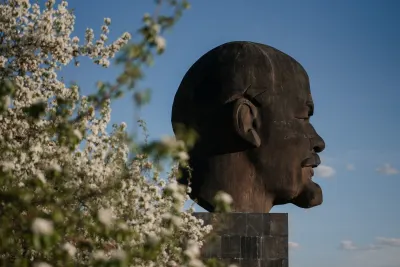
I Flew 3,500 Miles Across Siberia for a Beer. COVID Gave Me 24 Hours, a Giant Lenin Head and a Panicked Escape
I flew 3,500 miles to Siberia to discover local booze and see the world's largest Lenin head. By the end of the day I'd visited Buddhist monasteries, met a remarkably well-preserved 99-year-old monk, received news that COVID was shutting borders and escaped on a six-hour flight fuelled mainly by warm water and mild panic.
 🇺🇸 Weird America
America's Most Ridiculous Roadside Bars: A Scientific Study Conducted One Pint At A Time
Some of America's best bars look abandoned, suspicious or one strong gust of wind away from retirement. Inside, however, you'll find cold beer, unforgettable characters and enough stories to fill a library. After years exploring the USA, I've discovered that the best bar is usually the one you weren't planning to visit.