Spain
Canary Islands
Volcanoes, vineyards and very little reason to lie by the pool.
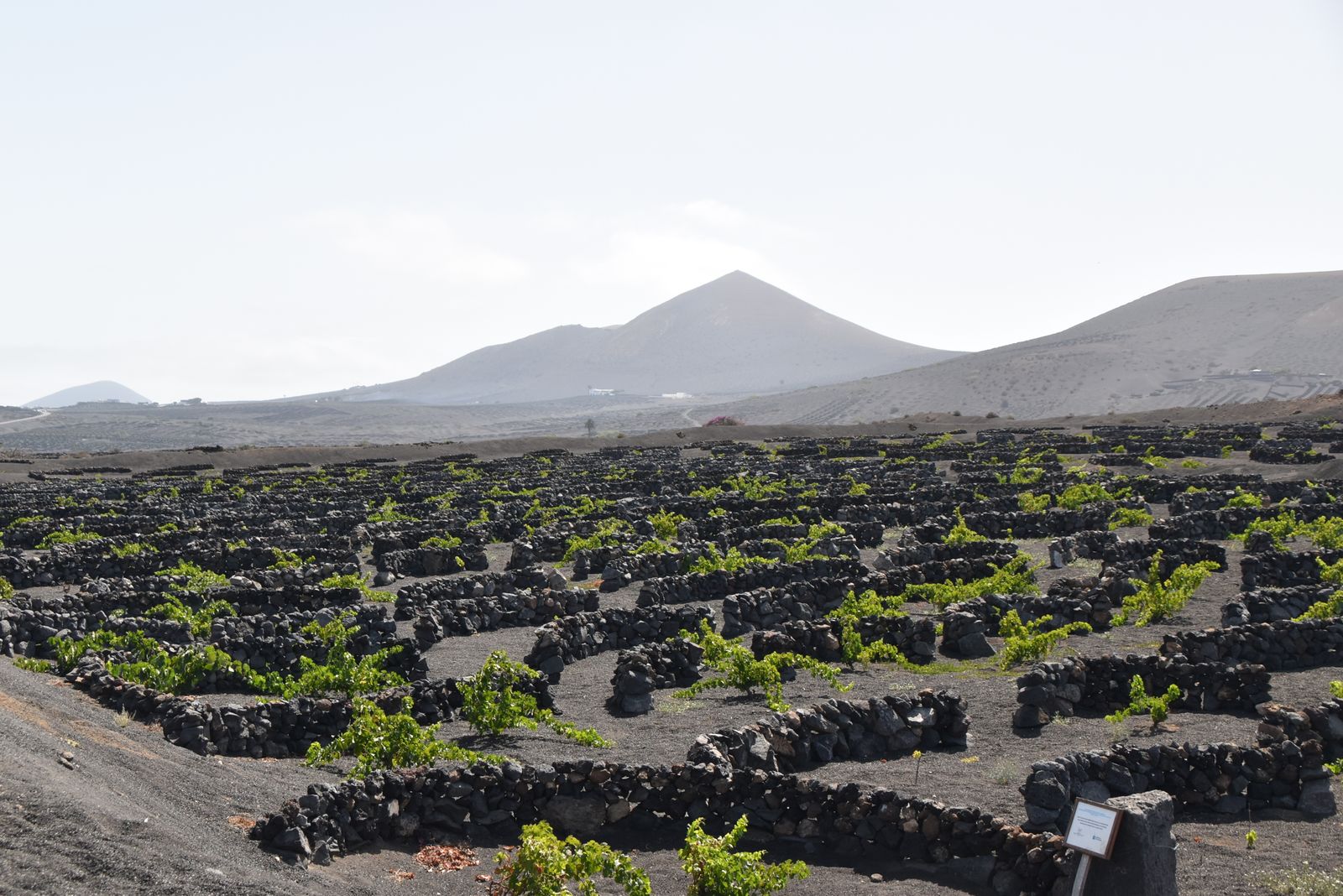
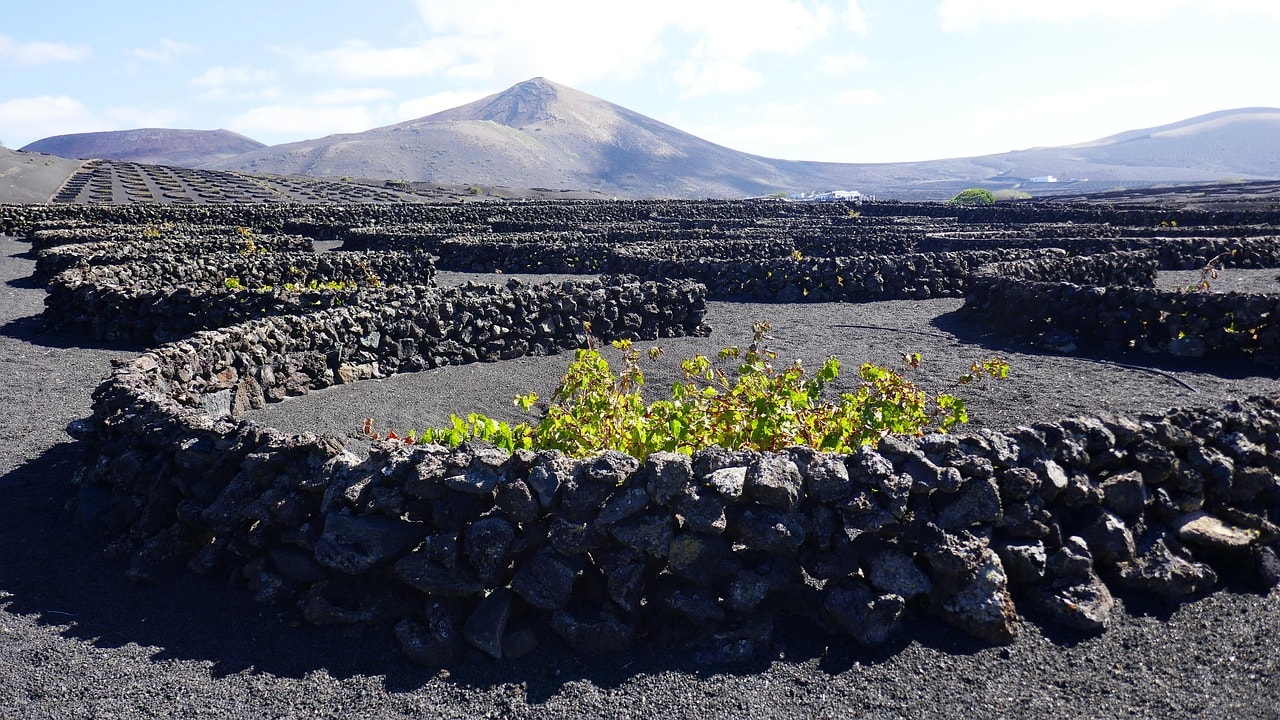
Most people go to the Canary Islands to turn pink on a sunlounger. We go for what grows in the lava. These islands sit off the coast of Africa, flying a Spanish flag, with year-round sunshine and a landscape that looks like someone parked the Moon next to the Atlantic. Vines grow in black volcanic ash, sheltered by little stone walls. Rum is made from local sugar cane and turned into honey rum that tastes like dessert. Goat's cheese gets wrinkly potatoes and fiery mojo sauces for company. And when the sun goes down, the beach bars and plazas of Tenerife and Gran Canaria come alive. Five islands, one ferry timetable, endless glasses.
Featured Tour
Our expert-led small group tour in Canary Islands
Private & Custom Canary Islands Experiences
Want the Canaries with just your group? We can arrange private departures and custom island-hopping itineraries.
Private Canary Islands Group Tours
Your friends, your dates, our itinerary: volcanic wineries, rum tastings, mojo workshops and island-hopping ferries.
Custom Canary Islands Adventures
More volcanoes, more beach bars or more wine? Tell us what you're into and we'll build a Canaries trip around it.
October to April is warm, sunny and perfect for vineyard visits.
Canary Islands Highlights
Wine Grown in Lava: The Canary Islands' Volcanic Vineyards
In Lanzarote's La Geria valley, every single vine sits in its own hole dug into black volcanic ash, protected from the wind by a curved stone wall called a zoco. From above it looks like a lunar golf course. The ash traps morning dew and feeds the roots, so the vines survive on almost no rain. The star grape is Malvasía Volcánica, making aromatic, salty white wines. On Tenerife, the slopes of Mount Teide grow Listán Negro and Listán Blanco, sometimes trained into long braided cords called cordón trenzado. The islands were famous for sweet Canary sack in Shakespeare's day, and now a new generation of winemakers is putting them back on the map, one dry, mineral, slightly smoky glass at a time.
Phylloxera never reached the Canary Islands, so many vines here still grow on their own roots, with some plants thought to be well over a century old.
Why Tipple Tours Goes to the Canary Islands
Because the Canaries are Europe's most misunderstood wine region. While everyone else is queuing for the all-inclusive buffet, winemakers are growing grapes in craters, in conditions so unusual that phylloxera, the bug that wiped out Europe's vineyards in the 1800s, never made it here. That means some of the oldest ungrafted vines in the world, grape varieties you've never heard of and wines with a smoky, salty, volcanic character you won't find anywhere else. Add rum distilleries, craft breweries, island-hopping ferries, black-sand beaches and dramatic volcanic national parks, and you have a winter-sun holiday that actually gives your palate something to do.
Weird Facts & Local Legends
Named After Dogs, Not Birds
The name is thought to come from the Latin Canariae Insulae, the Islands of the Dogs. The canary bird was named after the islands, not the other way round.
Spain's Highest Mountain
Mount Teide on Tenerife is Spain's highest peak at 3,715 metres. It's a volcano, and it's still considered active.
A Whistled Language
On La Gomera, locals use Silbo Gomero, a whistled version of Spanish that carries across deep valleys. It's taught in schools and recognised by UNESCO.
Shakespeare's Favourite Tipple
Sweet Canary wine was the toast of Tudor London. Shakespeare's characters mention it, and one calls it 'a marvellous searching wine'.
Things to Do in Canary Islands
Taste Wine Grown in Volcanic Ash
Wander Lanzarote's La Geria, where every vine lives in its own crater, then taste the salty, smoky Malvasía it produces.
Sip Honey Rum at a Distillery
The islands distil rum from local sugar cane, then blend it with honey into ronmiel, the Canaries' sweetest secret.
Make Your Own Mojo Sauce
Red, spicy mojo picón and green, garlicky mojo verde go on everything, especially salty wrinkly potatoes called papas arrugadas.
Explore a Volcanic National Park
Timanfaya's fire mountains on Lanzarote and Teide's lunar landscapes on Tenerife look like nowhere else in Europe.
Hit the Beach Bars After Dark
Sunset cocktails on black-sand beaches, then the lively plazas and bars of Tenerife and Gran Canaria.
Hop Between Islands by Ferry
Five islands, five personalities. The ferry is part of the fun, especially with a glass in hand.
Best Time to Visit Canary Islands
October - April
Warm winter sun at around 20-25°C while the UK shivers. Our November departure lands right in the sweet spot.
May - June
Pleasant heat, quieter beaches and the vines in full leaf.
July - August
Not terrible, just hotter, busier and pricier, with school holiday crowds on the beaches.
Solo Travellers Welcome — Own Room Included
✓ Own room at no extra cost for solo travellers
Coming to the Canaries on your own? Your own room is included at the per-person price, with no single supplement and no roommate lottery. Share the wine. Not the snoring.
Getting to Canary Islands
By Air
- Airport
- Tenerife South (TFS), Gran Canaria (LPA) and Lanzarote (ACE)
- Flight Time from London
- Around 4-4.5 hours direct from the UK
- Airlines
- Jet2, easyJet, Ryanair, TUI and British Airways fly direct from most UK airports
- Visa
- The Canary Islands are part of Spain. UK citizens can visit visa-free for short stays, and the EU entry and exit system may apply at the border.
Pro Tip
Check which island your tour starts and ends on before booking flights, as you may fly into one island and home from another.
Local Tips for Canary Islands
Dinner starts late. Restaurants fill up from around 9pm, so have a tapas warm-up first.
Say yes to papas arrugadas with both mojo sauces. Every single time.
Bring a light jacket. Mountain villages and vineyards get breezy even when the beach is baking.
The sun is stronger than it feels thanks to the Atlantic breeze. Sunscreen is not optional.
Try a barraquito, a layered coffee with condensed milk and liqueur. Breakfast of champions.
Ferries can be choppy. Sit near the middle of the boat and save the wine for when you arrive.
Canary Islands Travel FAQs
Is Canary Islands wine any good?
Is this just a beach holiday with wine?
Do I need a passport and visa?
Can I travel solo?
When is the best time to go?
Ready to Explore Canary Islands?
Join one of our small group tours and experience Canary Islands like a local.