India
India
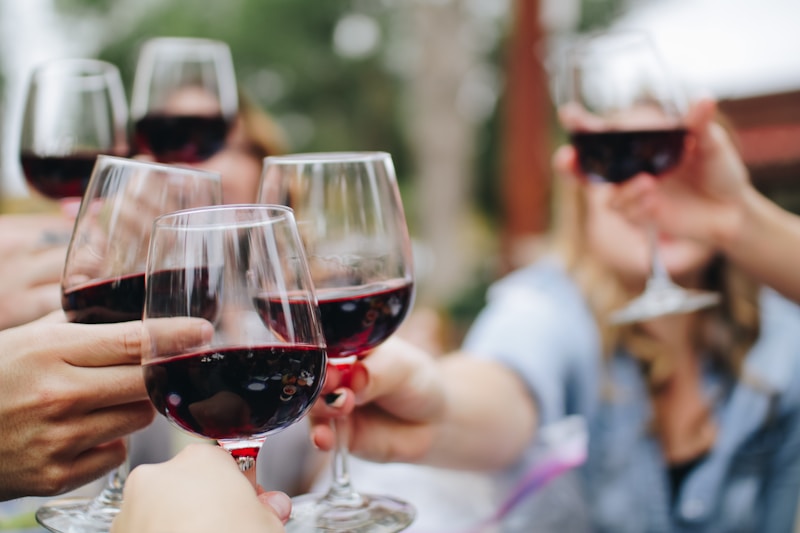
India makes wine. Yes, really. Not mango wine or palm toddy (though those exist too), but proper wine from proper grapes grown in proper vineyards. If this surprises you, you're not alone — Indian wine is one of the world's best-kept secrets. The Nashik Valley, three hours from Mumbai, has become India's answer to Napa: over 50 wineries, elevations of 600+ meters, and a climate that produces wines which regularly beat European entries in blind tastings. Meanwhile, the craft beer revolution has exploded in Bangalore, Mumbai, and Delhi — microbreweries serving everything from Belgian-style wheat beers to hopped-up IPAs. This is New India: globally aware, proudly local, and absolutely ready for a drink.
Featured Tour
Our expert-led small group tour in India
India Highlights
Indian Wine: From Ancient History to Modern Revolution
Wine has existed in India for millennia — Sanskrit texts mention "madhvi" (fermented grape drink), and the Portuguese brought European viticulture to Goa in the 1500s. But modern Indian wine began with Chateau Indage in the 1980s and exploded with Sula Vineyards' founding in 1999. Rajeev Samant, Sula's founder, studied at Stanford, worked in Silicon Valley, then returned to his family's land in Nashik and thought: "Why not wine?" The gamble paid off. Nashik's elevation (600m+), warm days, cool nights, and basalt soils turned out to be excellent for viticulture. Today, Nashik produces 80% of Indian wine, with over 50 wineries ranging from garage operations to sleek tasting rooms. Grover Zampa in Karnataka, York in Nashik, and Fratelli in Maharashtra have all won international recognition. This is a wine industry measured in decades, not centuries — but the trajectory is unmistakable.
India's first commercial wine brand, Indage, hired a French winemaker who was so skeptical about Indian wine that he only agreed to consult if they flew him business class and provided French food. The wines he made won awards anyway.
Why Tipple Tours Goes to India
We go to India because nobody expects it. When we tell people we're planning an Indian wine and beer tour, the reaction is usually confused laughter. Perfect. That's the Tipple Tours sweet spot — places where preconceptions are about to be demolished. Indian wine started seriously in the 1980s, and quality has improved dramatically since 2000. Sula Vineyards (Nashik) exports globally and wins medals; Grover Zampa (Nandi Hills) produces wines that stun visitors expecting mediocrity. The craft beer scene is even newer and even more exciting — brewpubs in Bangalore are making world-class IPAs and stouts. Add incredible food, overwhelming hospitality, and prices that seem like typos, and you've got a tour unlike anything else in our portfolio.
Weird Facts & Local Legends
The Monsoon Factor
Indian viticulture happens between monsoons. Grapes are harvested in January-March (dry season) before the summer monsoon arrives. Vineyards are designed to survive 3+ meters of annual rainfall. It shouldn't work, but it does.
Bangalore's Beer Revolution
Bangalore (Silicon Valley of India) has over 50 brewpubs — more than San Francisco. Tech money, young professionals, and relaxed regulations created an explosion. Some brewpubs have on-site distilleries too.
Wine at Altitude
Nashik vineyards sit at 600-700 meters elevation — higher than most of Burgundy. The altitude provides temperature variation crucial for grape quality, compensating for tropical latitude.
The Tax Maze
Indian alcohol taxes vary wildly by state. A bottle costing ₹500 in Maharashtra might cost ₹1,500 in Delhi. Wine tourism benefits from visiting production states where prices are reasonable.
Things to Do in India
Tour Nashik Valley Wineries
India's wine capital, three hours from Mumbai. Over 50 wineries, tasting rooms with Sahyadri mountain views, and wines that defy expectations.
Explore Bangalore's Brewpubs
50+ microbreweries in India's tech capital. IPAs, wheat beers, stouts — and food menus that pair craft beer with Indian cuisine. Revolutionary.
Visit Sula Vineyards
India's pioneering winery and most visited wine destination. Tasting room, restaurant, vineyard tours, and an annual music festival that draws 10,000+ visitors.
Experience Wine + Indian Food
Indian winemakers are deliberately designing wines that pair with Indian cuisine — spice-friendly whites, aromatic rosés. The pairings work brilliantly.
Taste Locally Distilled Spirits
Indian craft spirits are emerging: single malts from Goa, gin from Bangalore, vodka from Nashik. Yes, Indian single malt whisky wins international awards.
Best Time to Visit India
November - February
Harvest season runs January-March, cool winter weather, minimal rain. Sula's SulaFest music festival (January/February) is a highlight.
October, March
Post/pre-monsoon shoulder seasons. Still dry, slightly warmer, fewer tourists than peak winter.
June - September
Monsoon season. Heavy rains make vineyard visits impractical and some facilities close. Mumbai can flood. Just don't.
Getting to India
By Air
- Airport
- Mumbai (BOM), Bangalore (BLR), Delhi (DEL)
- Flight Time from London
- 8-10 hours from London
- Airlines
- British Airways (direct), Air India, Emirates, Etihad, Qatar Airways
- Visa
- UK citizens need e-visa (apply online, usually approved in 3-5 days). Business/tourist e-visa allows 30-180 days.
Pro Tip
Mumbai is the gateway to Nashik wine country (3hr drive). Bangalore is best for beer tourism and southern wineries. Internal flights are cheap and frequent.
Local Tips for India
Dry days: India has alcohol-free "dry days" on national holidays and election days. Wineries may close or restrict service. Check calendar.
State taxes vary enormously. Wine and beer are cheaper in Maharashtra (production state) than Delhi or Gujarat (dry state!).
Bangalore brewpubs are packed on weekends. Go Thursday/Friday or reserve tables.
Don't compare Indian wine to French wine — compare it to New World regions and be impressed.
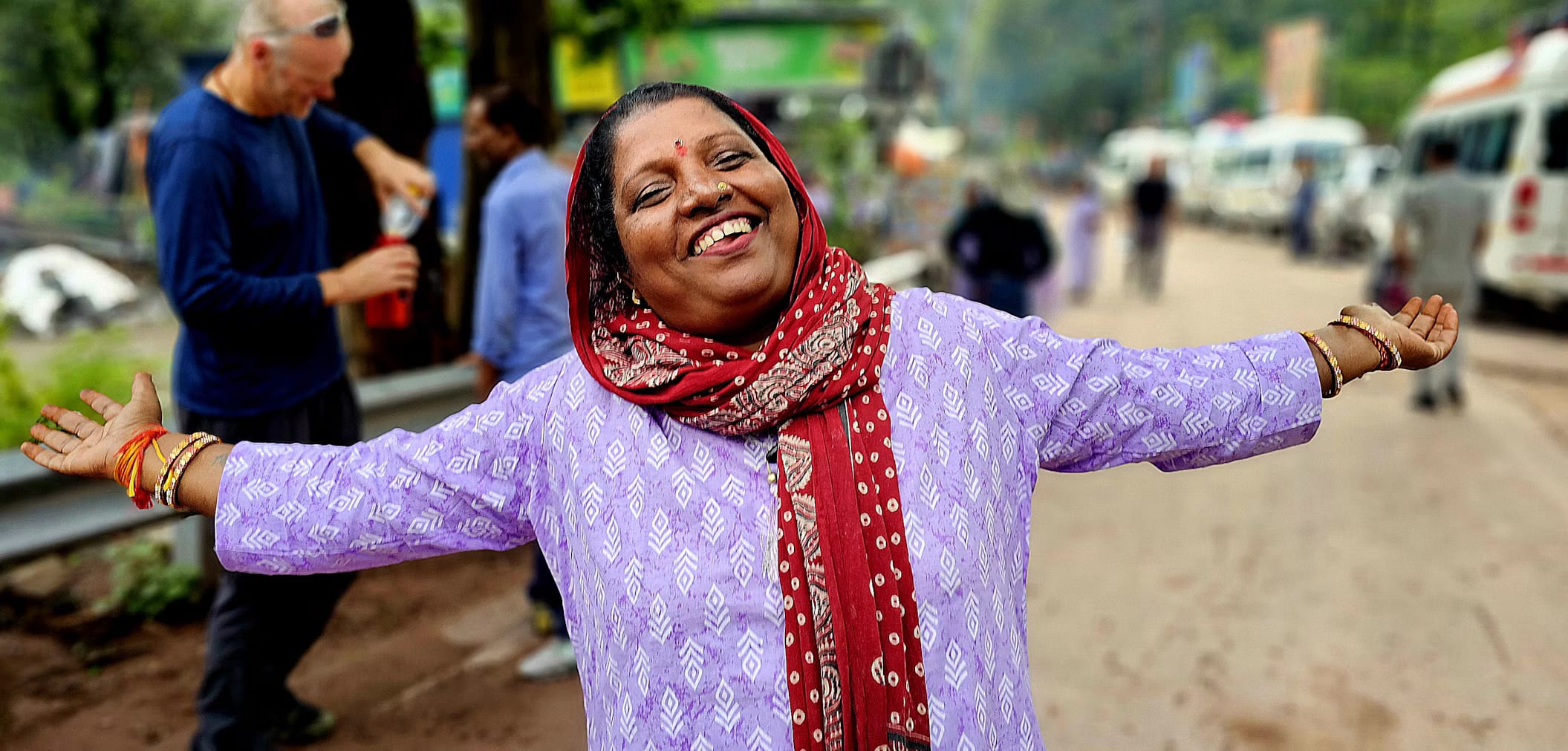
Indian hospitality is overwhelming. Accept tea/snacks when offered; refusing is impolite.
Water and food safety: drink bottled/filtered water, eat at reputable places. Your stomach will thank you.
India Travel FAQs
Is Indian wine actually good?
Is India safe for tourists?
What about the heat?
Can I buy Indian wine in the UK?
What about vegetarian options?
Ready to Explore India?
Join one of our small group tours and experience India like a local.