Armenia
Armenia
Armenia has a problem: it invented wine 6,100 years ago and nobody gave it credit. For millennia, everyone assumed wine came from Georgia or Mesopotamia or wherever looked good on a map. Then archaeologists found the Areni-1 cave — complete with a wine press, fermentation vats, drinking bowls, and grape seeds dating to 4100 BC. The world's oldest known winery. Not the oldest *wine*, the oldest *winery*. As in, people were making wine here professionally before Stonehenge was built. And yet, when you tell someone you're going to Armenia for wine, they look at you like you've lost your mind. Good. Keep it that way. Armenia's wine scene is intimate, family-run, and blissfully free of tour buses and overpriced tasting fees. The wines are extraordinary, the landscapes are Biblical (literally — Mount Ararat is visible from everywhere), and the hospitality is so aggressive you'll need to pace yourself.
Private & Custom Armenia Experiences
Want the ancient wine country to yourself? We offer private Armenia wine tours and can build custom itineraries around your interests — whether that's exploring the Areni-1 cave, visiting family wineries in Vayots Dzor, or combining wine with monasteries and mountain scenery.
Private Wine Tours
Our Armenia wine tour is available as a private booking. Just you, your group, and a dedicated guide exploring 6,100 years of winemaking history. Perfect for couples, small groups, or serious wine enthusiasts.
Custom Itineraries
Got specific interests? We'll build a bespoke Armenia trip. Ancient monasteries, cognac factories, hiking in the Caucasus, village homestays — tell us what you love and we'll create something unique.
Armenia is a year-round destination, but autumn harvest season (September-October) offers the most immersive wine experience.
Armenia Highlights
6,100 Years of Winemaking: Armenia's Claim to the Throne
The Areni-1 cave discovery in 2007 rewrote wine history. UCLA archaeologists found a complete winemaking facility: a shallow basin for crushing grapes, clay vats for fermentation, storage jars, and even a cup that still contained wine residue. Carbon dating put it at 4100 BC — a full millennium older than any previous evidence. The cave also contained the world's oldest leather shoe (separate discovery, same cave, equally weird). Armenia never stopped making wine, but the 20th century was rough. First came genocide and displacement; then Soviet collectivization replaced quality grape varieties with mass-production varieties. Independence in 1991 brought economic collapse. By 2000, Armenian wine was nearly extinct. The revival started with families like the Keushguerian family (Karas Wines), the Hovakim family (Zorah), and passionate diaspora returnees who saw potential in ancient vineyards. Today, Armenia produces wines that rival any emerging region — and from grapes found nowhere else on Earth.
The Areni-1 cave also contained 20+ human skulls arranged in ceramic vessels. Archaeologists believe it was a combination winery-burial site. Drinking wine among the ancestors was apparently literal.
Why Tipple Tours Goes to Armenia
We went to Armenia because of a grape called Areni. Not Areni-1 the cave — Areni the grape. It's a native variety that's been growing in the Vayots Dzor region since approximately forever, producing wines with the elegance of Pinot Noir and the backbone of Nebbiolo. When we tasted our first serious Armenian Areni, aged in local oak, we immediately started planning a tour. Armenia's wine revival started around 2010, when diaspora Armenians began returning to rebuild family wineries destroyed during the Soviet era. These aren't slick operations — they're passion projects run by people who genuinely believe in Armenian wine's potential. Winemakers here will talk for hours about terroir, altitude, and how their grandmother's vineyard techniques are secretly superior to anything happening in Burgundy. They're probably right.
Weird Facts & Local Legends
Noah's Vineyard (Technically)
According to the Bible, Noah planted the first vineyard after the flood on Mount Ararat — which Armenians consider theirs (even though Turkey currently possesses it). This makes Armenia the Biblical birthplace of wine, if you're keeping score.
The Grape That Time Forgot
Armenia has over 400 indigenous grape varieties. Most were nearly extinct by 2000. Winemakers are now reviving ancient varieties from single surviving vines found in abandoned villages. It's botanical archaeology with delicious results.
Altitude Winemaking
Armenia's vineyards sit at 1,000-1,800 meters elevation — some of the highest in the world. The combination of intense sun, cool nights, and volcanic soil creates wines with incredible intensity. Vayots Dzor translates to 'Valley of Sorrows,' but the wines are anything but.
Brandy That's Not Cognac (But Better)
Armenian brandy was Winston Churchill's favorite. He allegedly said, 'Why do I drink Armenian brandy? Because every day I drink a bottle and I'm still alive.' Stalin sent him cases regularly. You can tour the Ararat brandy factory in Yerevan.
Things to Do in Armenia
Visit Areni-1 Cave
Stand in the world's oldest known winery. The cave is now a proper archaeological site with interpretive displays. The nearby Areni village has family wineries still using ancient methods.
Visit on our Armenia tourTour the Ararat Valley
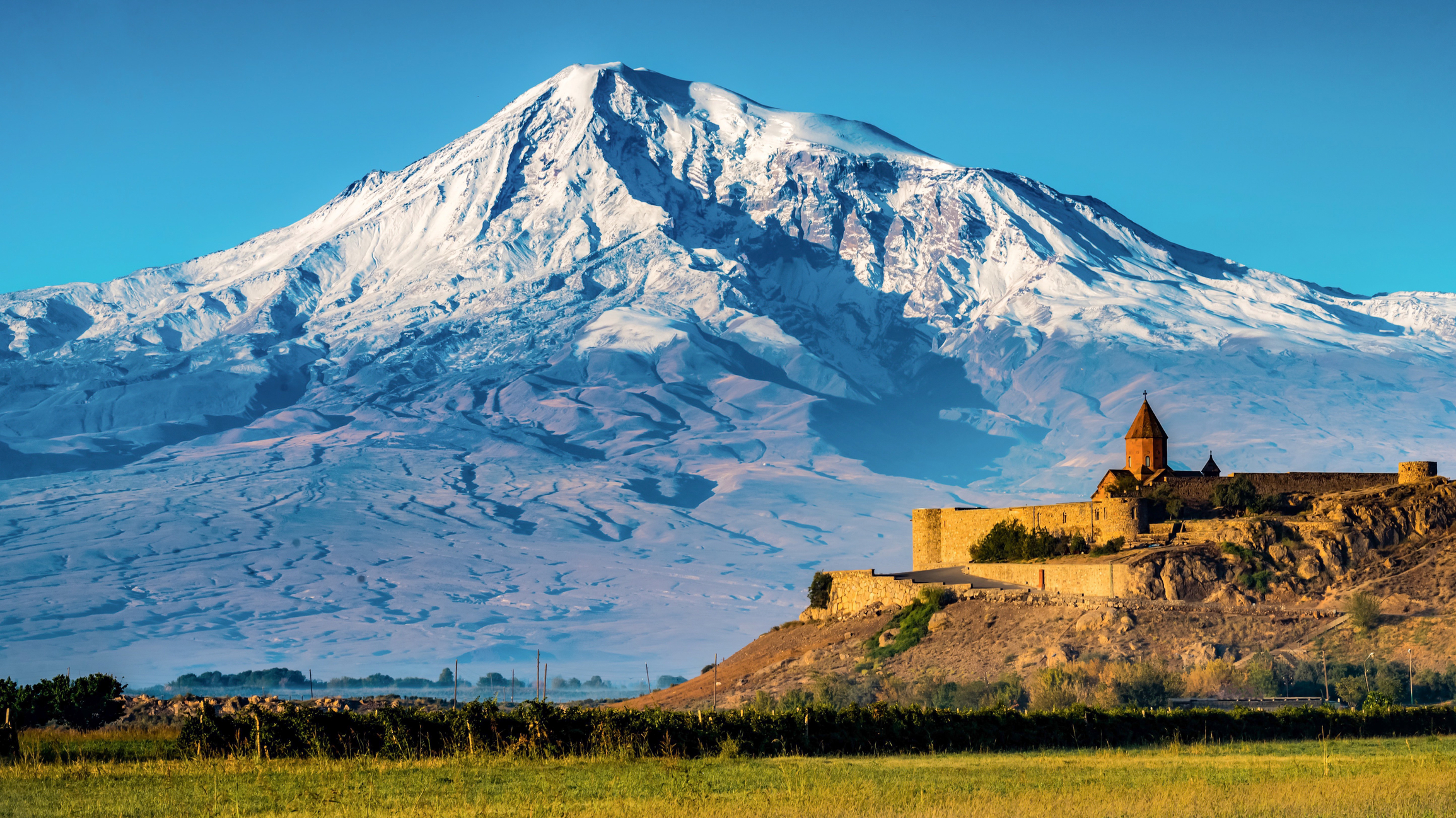
Armenia's main wine region sprawls beneath the shadow of Mount Ararat. The mountain is technically in Turkey, but every Armenian will tell you it's theirs. The wines are definitely theirs.
Explore Ararat Valley with usTaste Areni & Voskehat
Armenia's flagship indigenous grapes. Areni makes reds reminiscent of Burgundy; Voskehat makes whites with mineral backbone and stone-fruit aromatics. Neither exists anywhere else.
Read our tasting guideExplore Ancient Monasteries
Armenia was the first Christian nation (301 AD). Monasteries like Noravank, Khor Virap, and Geghard are UNESCO-listed and dramatically sited. Monks made wine here for centuries.
Experience a Khorovats Feast
Armenian BBQ is an art form. Lamb, pork, vegetables — all grilled over wood fires and served with lavash bread, fresh herbs, and endless wine. Pace yourself.
Best Time to Visit Armenia
September - October
Grape harvest and Areni Wine Festival (October). Perfect weather, golden vineyards, and wineries at their most welcoming. This is when Armenia shines brightest.
May - June
Spring wildflowers carpet the countryside. Comfortable temperatures for hiking to monasteries. Wine villages are peaceful and personal.
January - February
Cold and snowy, especially at altitude. But Yerevan stays lively with cozy wine bars, and brandy becomes extremely appealing.
Getting to Armenia
By Air
- Airport
- Zvartnots International Airport (EVN), Yerevan
- Flight Time from London
- 4-5 hours from London
- Airlines
- Wizz Air (via Vienna), flydubai, Qatar Airways, Aegean
- Visa
- UK/EU/US citizens: No visa required for stays up to 180 days.
Pro Tip
No direct flights from UK currently. Vienna connections on Wizz Air or Gulf carrier stopover routes offer the best value. Yerevan itself is compact and walkable.
Local Tips for Armenia
Armenian hospitality is legendary — and overwhelming. Accept the third coffee and the second glass of brandy. Refusing is considered rude.
Learn a few Armenian words: "Barev" (hello), "Shnorhakalutyun" (thank you — yes, really), "Genats" (cheers).
Pomegranate everything. Pomegranate wine, pomegranate juice, pomegranate molasses. It's the national symbol.
The Cascade in Yerevan is best visited at sunset. Bring wine; everyone else does.
Armenian taxi drivers are... enthusiastic. Agree on price first, or use GG Taxi app.
Lavash bread is UNESCO-protected. You'll understand why after tasting it fresh from a tonir oven.
Armenia Travel FAQs
Is Armenia safe to visit?
Is Armenian wine good?
Can I see Mount Ararat from Armenia?
Do I need to speak Armenian?
How is Armenian wine different from Georgian wine?
Ready to Explore Armenia?
Join one of our small group tours and experience Armenia like a local.