France
France
The country that wrote the wine rulebook, then hid it in a cellar.
France doesn't so much make wine as run a 2,000-year-old national religion around it. Every region has its own grapes, its own rules, its own way of looking at you if you ask for ice. Champagne invented the world's favourite celebration drink and stored it in chalk tunnels the Romans dug. Bordeaux built châteaux grand enough to make royalty jealous. Burgundy slices its hills into plots so small a single row of vines can change the price of a bottle tenfold. Then there's the Loire with its fairytale castles, Alsace with its gingerbread villages and the Rhône, baking in the southern sun. It's the most famous wine country on Earth, and the best way to enjoy it is to ignore the snobbery and pour another glass.
France Tours
2 expert-led small group tours available
Champagne Mystery Tour: The Great Champagne Caper
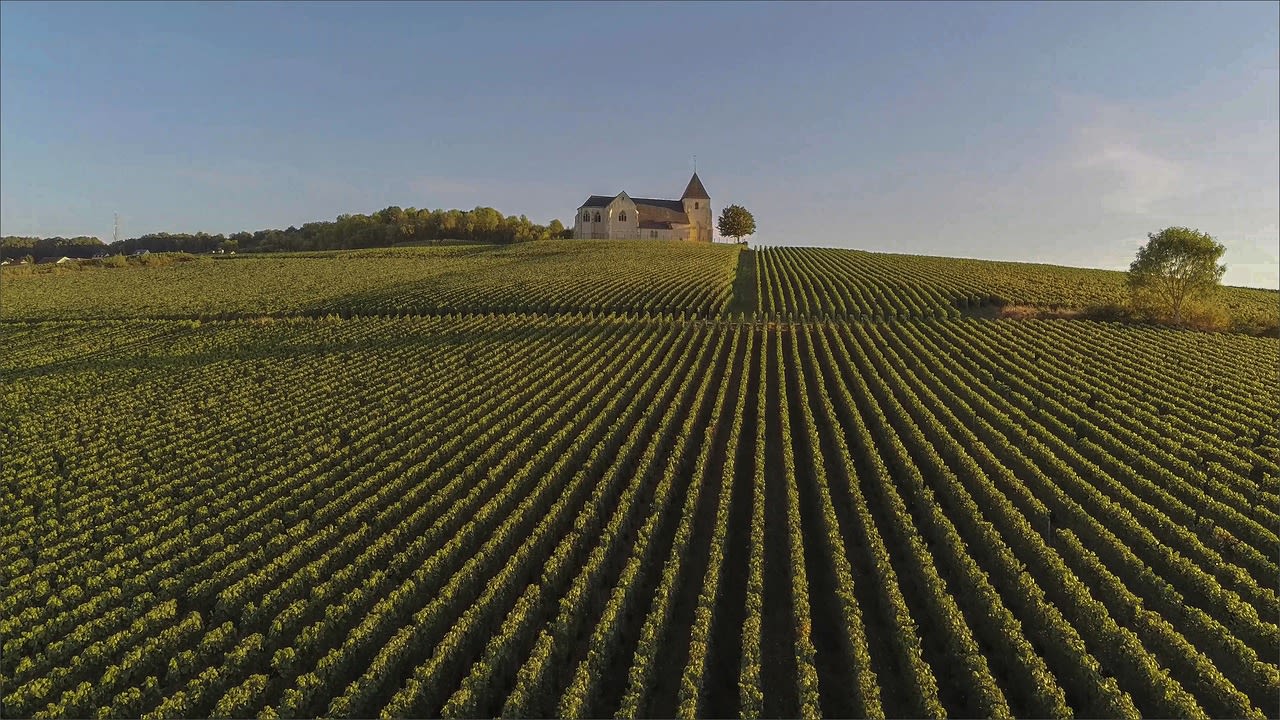
Four days, three nights and absolutely no idea what's coming next! Join our Champagne Mystery Tour for secret wineries, eccentric winemakers, bizarre attractions and enough bubbles to confuse a jacuzzi. You know where you're going. You haven't a clue what you're doing. 🍾
Bordeaux Mystery Tour: No Clue, Just Cru
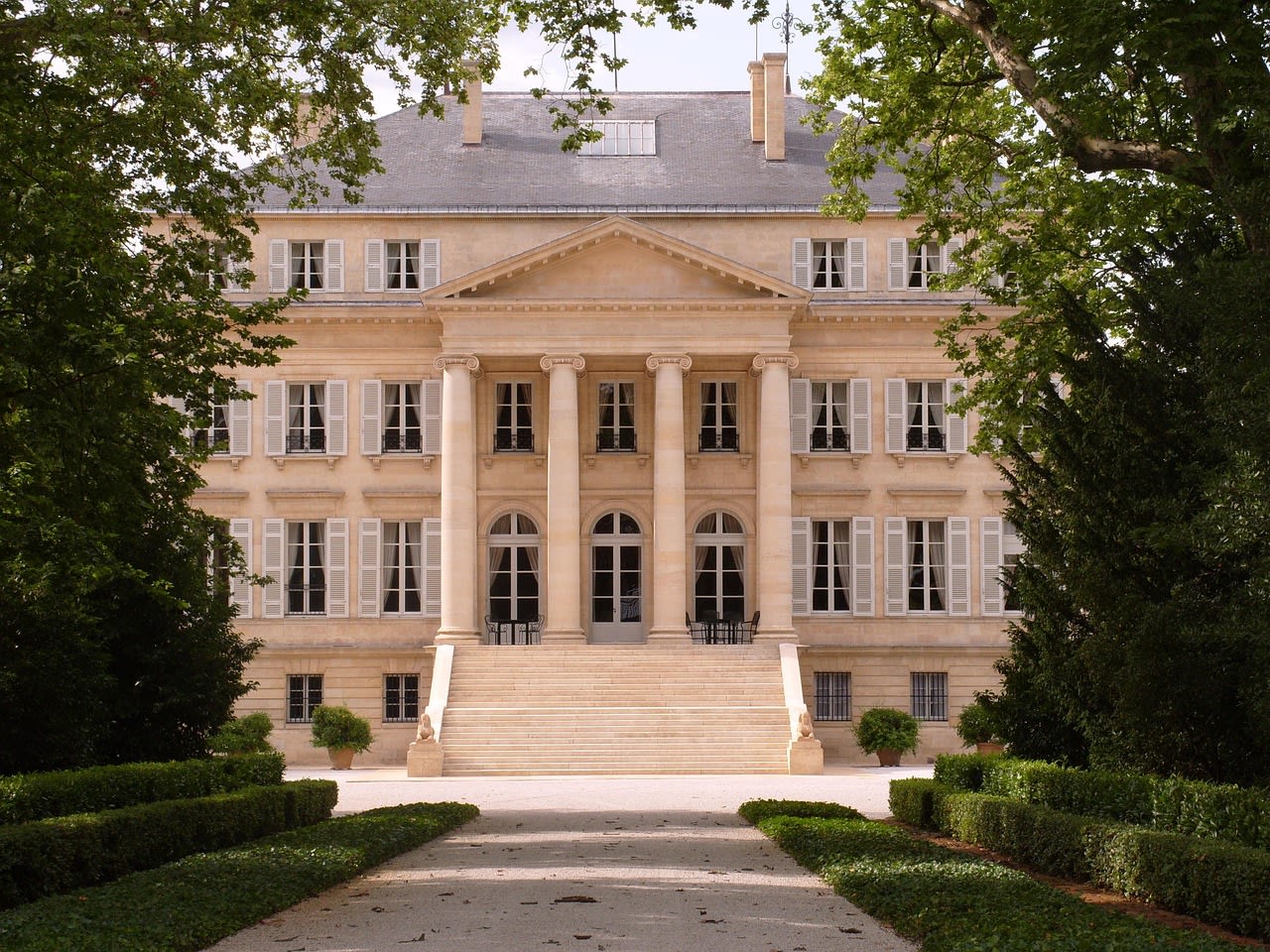
Four days, three nights and more secrets than a dodgy French politician! Join our Bordeaux Mystery Tour for suspicious châteaux, eccentric winemakers, fabulous reds and bizarre surprises. You know you're going to Bordeaux. What happens next is classified. Even James Bond would struggle to find the itinerary.
Private & Custom France Wine Experiences
Want a French wine trip with just your group, or a region we don't run yet? We can arrange private departures and custom itineraries.
Private Champagne or Bordeaux Mystery Tours
Your group, your dates, the same secret itinerary and blind-tasting humiliation.
Custom French Wine Adventures
Burgundy, the Loire, Alsace or the Rhône? Tell us what you love to drink and we'll build a trip around it.
Spring and early autumn are ideal for vineyard visits.
France Highlights
A Cheeky Guide to France's Main Wine Regions
Champagne, north-east of Paris, makes the only sparkling wine allowed to call itself Champagne, mostly from Chardonnay, Pinot Noir and Pinot Meunier, aged in miles of chalk cellars. Bordeaux, on the Atlantic, blends Cabernet Sauvignon and Merlot into some of the world's most collected reds, with sweet Sauternes on the side. Burgundy works almost entirely with Pinot Noir and Chardonnay, obsessing over exactly which patch of hill each vine grows on. The Loire Valley stretches past royal castles making crisp Sauvignon Blanc in Sancerre and Chenin Blanc in Vouvray. Alsace, on the German border, does aromatic Riesling and Gewürztraminer in tall green bottles. And the Rhône runs south from Lyon, Syrah-led in the north and Grenache-heavy in the south, home of Châteauneuf-du-Pape.
Champagne's crayères, chalk pits dug by the Romans, now hold millions of bottles and are part of a UNESCO World Heritage Site.
Why Tipple Tours Goes to France
Because France is brilliant at wine and terrible at explaining it. The labels name villages, not grapes. The classifications were written in 1855. And half the best producers would rather show you their tractor than their tasting room. That's where we come in. Our French tours are mystery tours: you know the region, but not what happens next. Secret cellars, eccentric winemakers, blind tastings where cheap plonk humiliates Grand Cru, and the occasional experience that has no business being on a respectable wine tour. All the joy of French wine, none of the pretension.
Weird Facts & Local Legends
The 1855 League Table
Bordeaux's famous classification of top châteaux was drawn up for the 1855 Paris Exposition, and it has barely changed since. Only one château has ever been promoted to the top tier.
Monks Did the Homework
Burgundy's medieval monks mapped which plots made the best wine, reportedly by tasting the soil. Their work still shapes the region's Grand Cru vineyards.
A Pope's Summer House
Châteauneuf-du-Pape means 'the Pope's new castle'. The popes moved to nearby Avignon in the 1300s and planted vineyards to keep the communion wine flowing.
Bottles Under Pressure
A bottle of Champagne holds roughly three times the pressure of a car tyre. Early cellars were notorious for exploding bottles.
Things to Do in France
Go Underground in Champagne
Explore chalk cellars beneath Reims and Épernay, where millions of bottles quietly age in the dark.
Champagne Mystery TourBlind-Taste Your Way Round Bordeaux
Château visits, blending lessons and the humbling moment you prefer the £12 bottle to the Grand Cru.
Bordeaux Mystery TourWalk the Burgundy Grand Crus
Stroll the Côte d'Or's walled vineyards, where one footstep can cross a few hundred pounds a bottle.
Castles and Crisp Whites in the Loire
Royal châteaux by day, Sancerre and Vouvray by evening. Hard life.
Follow the Alsace Wine Route
Half-timbered villages, storks on chimneys and aromatic Riesling in every cellar door.
Eat Like a Local
Cheese courses, long lunches, boulangerie breakfasts and a glass at every one of them. Croissants count as hangover management.
Best Time to Visit France
May - June & September - October
Mild weather, green or golden vineyards and, in autumn, the harvest buzz.
April & November
Quieter cellars and lower prices. Our Champagne and Bordeaux mystery tours run in spring.
August
Much of France goes on holiday, so some smaller wineries close and the roads fill up.
Getting to France
By Air
- Airport
- Paris (CDG), Bordeaux (BOD), Lyon (LYS) or the Eurostar to Paris
- Flight Time from London
- Around 1-1.5 hours from the UK, or 2h20 London to Paris by Eurostar
- Airlines
- British Airways, easyJet, Ryanair and Air France, plus Eurostar from London St Pancras
- Visa
- UK citizens can visit France visa-free for short stays. The EU entry and exit system applies at the border, so allow a little extra time.
Pro Tip
For Champagne, the train is easiest: Eurostar to Paris, then about 45 minutes to Reims. Bordeaux has direct flights from most UK airports.
Local Tips for France
Say "bonjour" before anything else in shops and cellars. It genuinely changes how you are treated.
Many small wineries close for a long lunch, roughly 12 to 2pm. Plan visits around it, then join them.
Spitting at tastings is normal and polite, especially if you are visiting several cellars.
Ask for "une carafe d'eau" for free tap water in restaurants.
In Champagne, the bigger houses often need booking ahead. Smaller grower producers are often the more fun visits.
Do not ask for ice in red wine unless you enjoy being stared at.
France Travel FAQs
Which French wine regions do your tours visit?
What is a mystery wine tour?
Which French wine region is best for a first visit?
Do I need to know about wine?
Can I travel solo?
Ready to Explore France?
Join one of our small group tours and experience France like a local.