Wine with Curry: Pairing Indian Food Without Calling Everything “Spicy”
 Tipple Tours
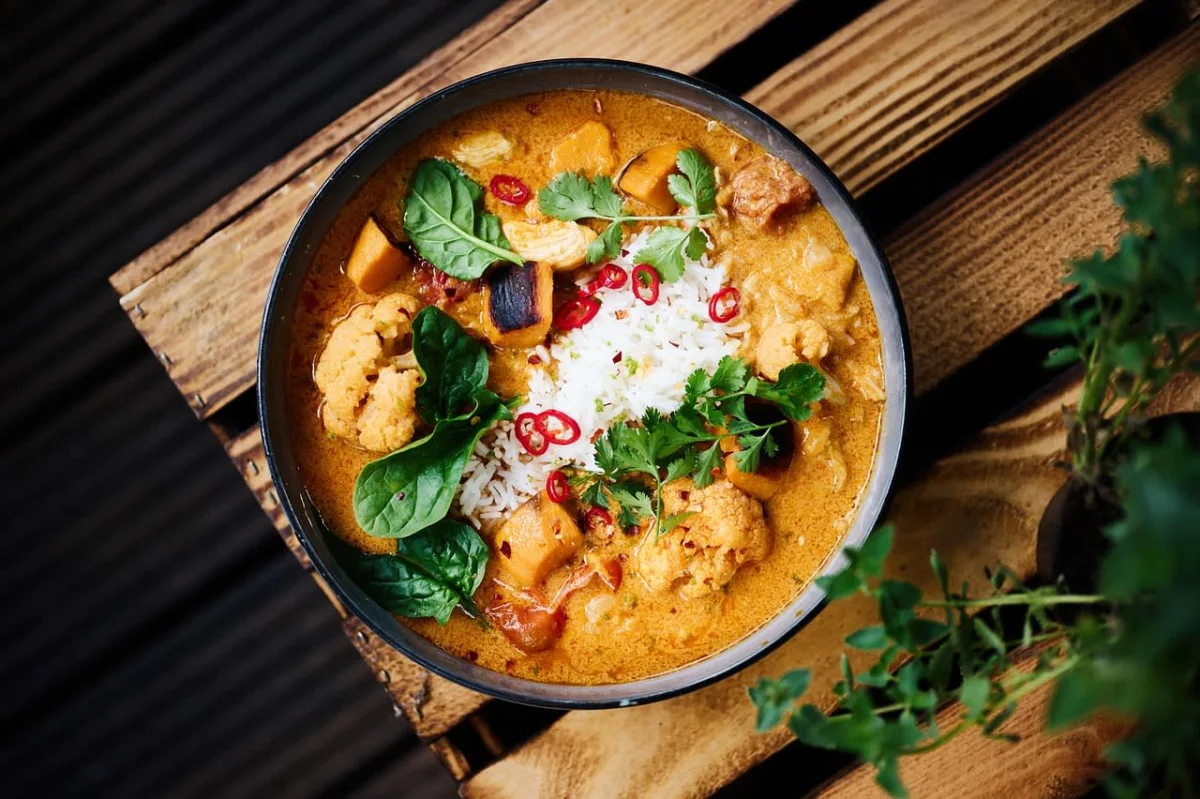
“Which wine goes with curry?”
It’s a bit like asking which shoes go with “Europe.” Helpful answer: it depends. India’s food is wonderfully varied, and so is the word curry. A creamy korma, a tangy fish curry, a smoky tandoori dish and a slow-cooked rogan josh are not all waiting for the same bottle to rescue them.
The good news: you don’t need a spice degree, a wine diploma or a small chalkboard. Start with the flavours in the dish, then choose a wine you actually enjoy. At Tipple Tours, we believe food and drink should make dinner more fun—not turn it into a surprise exam.
First, retire the word “spicy”
“Spicy” can mean hot with chilli, fragrant with spices, peppery, warming or simply “I have ordered something unfamiliar and would like the waiter to know I’m brave.”
For pairing, get more specific. Is the dish creamy? Tangy? Sweet? Smoky? Rich? Does it have a lot of chilli heat? Is there a squeeze of lime, a spoonful of yoghurt or a glossy sauce that has been simmering longer than your last group chat?
Those details matter more than the vague warning that the dish is “spicy.” A fragrant biryani and a fiery vindaloo may both contain spices, but they are not asking the wine for the same kind of support.
The friendly starting point: aromatic whites
Aromatic white wines are often a useful place to begin with richly seasoned food. Look for wines with plenty of fruit and freshness, such as Riesling, Gewürztraminer or Chenin Blanc. Depending on the dish and your taste, a touch of sweetness can work nicely alongside chilli heat and aromatic spices.
That doesn’t mean you need a wine that tastes like pudding. A little softness can simply make the pairing feel more relaxed. Think of it as the wine turning up with a fan and a glass of water, not arriving in a fire brigade helmet.
Match the sauce, not the name
Creamy dishes such as korma or butter-rich curries can pair well with wines that have enough freshness to cut through the richness. A rounded Chenin Blanc, a lively Chardonnay or an aromatic white can all be worth trying, depending on the sauce.
Tomato-based dishes bring acidity, so a fresh, fruit-forward wine can be a good companion. For something smoky from the tandoor, try a dry rosé or a lighter red with bright fruit.
For a dish with pronounced chilli heat, many people prefer an aromatic white with a little sweetness or a refreshing sparkling wine. Very tannic, high-alcohol reds can feel intense beside chilli, so if you love red, try something lighter and fruitier. A slightly chilled Pinot Noir or Gamay can be a happier dinner guest than a heavyweight red that arrives wearing a velvet cape.
A few easy pairings to try
Creamy korma: Try a fresh Chenin Blanc or a rounded white with enough acidity to keep each mouthful lively.
Tikka masala: A fruit-forward rosé or aromatic white can work well with the tomato, cream and char.
Biryani: Go for a refreshing, aromatic white or sparkling wine that won’t compete with the layers of herbs and spices.
Saag paneer: A crisp white or dry rosé can balance the savoury greens and creamy cheese.
Vindaloo: If the chilli is doing a full musical number, try an aromatic white with a touch of sweetness, or choose a cool beer. Wine is optional; personal courage is not a food group.
These are starting points, not laws carved into a vineyard wall. Recipes vary, chilli levels vary and people’s palates vary. The best pairing is the one that leaves you enjoying both the food and the drink.
What about red wine?
Red wine can absolutely join the table. Choose reds with generous fruit and softer tannins rather than the most powerful, oak-heavy bottle you can find. Tannin can make a fiery dish seem more forceful, while a lighter red may sit more comfortably alongside grilled meat, smoky flavours and richly spiced sauces.
You can also serve some lighter reds slightly cool. This is allowed. The Wine Police are currently busy investigating whether anyone has opened a bottle before the guests arrive.
And beer?
Beer is a perfectly good pairing, especially if you want something refreshing alongside chilli and rich sauces. A crisp lager can reset the palate, while a wheat beer or a fruitier ale may suit fragrant dishes. There is no rule that every Indian meal must be accompanied by a wine tasting and a person saying “interesting finish.”
The simple pairing rule
Choose the wine by asking three questions:
How much chilli heat is there?
Is the sauce creamy, tangy, rich, smoky or sweet?
Do I actually like this wine?
That last question is the most important. If the answer is no, the pairing has failed—even if a chart says it’s technically correct. You are having dinner, not defending a dissertation called The Structural Relationship Between Saag and Sauvignon.
The Tipple Tours verdict
Indian food and wine can be a brilliant match when you look beyond the label “curry.” Notice the sauce, the heat, the herbs and the texture. Try aromatic whites, refreshing rosé, lighter reds or bubbles, then keep the combinations that make you smile.
And if someone at the table describes every dish as “spicy,” invite them to be more specific. Ask whether they mean fragrant, peppery, chilli-hot or “I have just discovered the green chutney.” It’s a small step for dinner and a giant leap for the wine conversation.
Explore Related Tours
Turn This Story Into Your Adventure

Editorial Team
The Tipple Tours team writes about wine, beer, and travel based on firsthand experience running tours across Europe since 2018.
Learn more about usContinue Exploring
More Stories You'll Love
 🗺️ Destination Guides
Can You Really Go on Holiday and Star in Your Own Movie?
Ever fancied becoming a movie star without the inconvenience of talent? Discover a holiday where you can drink Moldovan wine, battle zombie grandmothers and star in a horror film that Hollywood will desperately pretend doesn't exist.
 🗺️ Destination Guides
Nashik Wine Country: India’s Vineyard Region Explained
Welcome to Nashik, where India swaps the chai for Chenin Blanc and “just a small tasting” develops into an afternoon with ambitions. Discover vineyards, Indian wines and why your tasting notes can safely remain “yes, more of that.”
 🗺️ Destination Guides
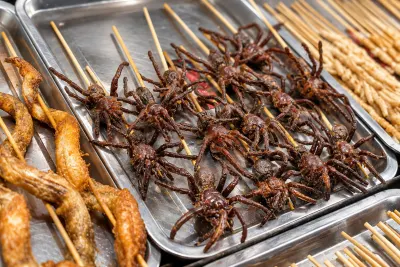
Bizarre Bites and Brilliant Brews: What to Eat on a Vietnam Beer Tour
Duck egg with lager? Crickets with a citrusy pale ale? Goat with something maltier? Here are playful beer matches for the Vietnam tour’s real menu—from familiar street-food favourites to optional bites with antennae.
 🗺️ Destination Guides
Saigon Craft Beer: A Beginner’s Guide to Vietnam’s Modern Brewery Scene
New to Saigon craft beer? Start with a lager, explore a pale ale or IPA and ask the bartender what’s on tap. No hop diploma required; confident pointing is entirely acceptable.
 🗺️ Destination Guides
Hanoi Beer Streets: How to Order, Where to Sit and Why the Stool Is So Small
Fresh bia hơi, sidewalk snacks and stools built for a very compact committee meeting. Here’s how to order, find a seat and enjoy Hanoi’s beer streets without blocking the pavement or losing a knee.
 🗺️ Destination Guides
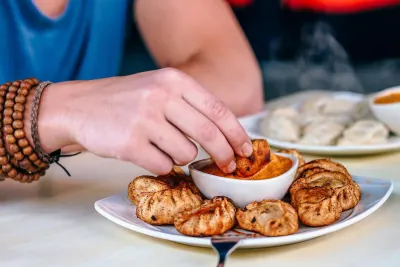
Momos and Beer: A Very Important Guide to the Perfect Nepalese Pairing
Steamed, fried or swimming in jhol, momos deserve a thoughtful beer companion. Here’s how to pair Nepalese dumplings with lager, bitterness or a little sweetness without appointing yourself Minister of Chutney.