Nepalese Beer and Local Drinks: What to Try Between the Momos
 Tipple Tours
Nepal has plenty to explore beyond the mountain views. There are local beers, traditional fermented drinks, distilled spirits and cups of tea that arrive with enough warmth to restore your faith in civilisation.
And there are momos: beloved dumplings that have a habit of appearing just when you thought you were “only stopping for a quick drink”.
Here’s a beginner-friendly guide to Nepalese beer and local drinks - what they are, where you might encounter them and how to order without making the waiter translate your entire face.
Nepalese beer: start with what’s cold
Nepal has familiar lagers as well as local and craft beer options. Gorkha is one locally produced beer brand; the exact selection depends on where you are and what the venue has in stock.
A cold beer with spicy food is a simple place to start. If you see a beer you don’t recognise, ask whether it’s light, strong or more bitter. You don’t need to announce your preferred hop profile unless you’ve brought a clipboard and everyone else has agreed to participate.
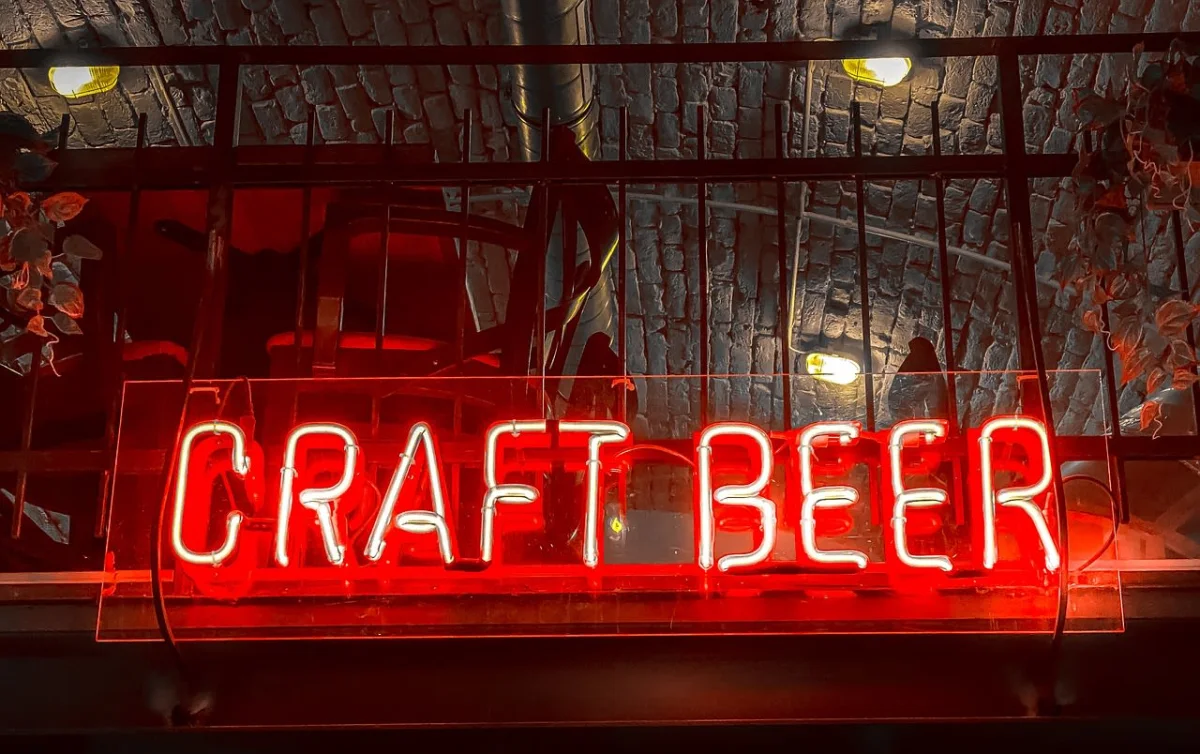
Craft beer availability varies, especially outside the larger towns and cities. Don’t assume every menu will have a flight of local ales lined up like a tiny, foam-topped orchestra. When you do spot something new, give it a try and ask where it’s brewed.
Tongba: the drink that arrives with its own equipment
Tongba is a traditional millet-based drink associated especially with communities in eastern Nepal and the Himalayan region. Fermented millet is served in a special vessel, then hot water is added. You sip the drink through a straw, and in some settings the vessel is topped up again.
It’s a lovely example of how a drink can be about more than what’s in the cup: the vessel, the serving ritual and the company all matter. It’s also an excellent conversation starter if your previous drink came in a glass and your current one has a straw with a job description.
Tongba is sometimes nicknamed “hot beer”, but it isn’t the same as a modern lager. Ask the host how it’s prepared and how people traditionally enjoy it. Recipes and customs vary by place and community.
Chhyang: fermented grain, with regional variations
Chhyang—also written chhaang or chang—is a traditional fermented drink made from grains. The grain and preparation can vary, so you may encounter different versions in different communities and regions.
It’s often described as a kind of rice wine or local beer, but the label doesn’t tell the whole story. It is not a standardised product like a bottle of lager, so the flavour, texture and strength can differ. Ask what it’s made from and how strong it is before you accept a generous pour. Curiosity is excellent. Accidentally ordering the “surprise-sized” serving is less of a plan.
Raksi: a distilled local spirit
Raksi is a traditional distilled spirit made from fermented grains, with ingredients and methods varying between producers and communities. It may be served in different ways depending on the region and occasion.
Because it is distilled, don’t assume it has the same strength as beer or chhyang. Ask what you’re being poured and take a small sip first. You don’t have to prove your bravery to a glass. The glass has no feelings and the group has already decided you’re interesting.
If a local host offers you raksi, treat it as a chance to learn about the drink and the occasion. Follow their lead, enjoy it at your own pace and remember that “no thank you” is a complete sentence in any language.
Chiya: the essential non-alcoholic pause
Not every memorable Nepalese drink contains alcohol. Chiya, or Nepali tea, is a comforting stop between sightseeing, meals and deciding whether your legs are ready for one more set of steps.
Often made with milk and spices, it’s a lovely way to slow down and watch the street go by. If you’ve been sampling beers or traditional drinks, a cup of tea and some water are excellent companions. They don’t demand a tasting note; they just get on with the job.
What about the momos?
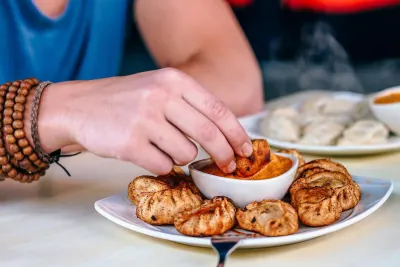
Momos are dumplings, often served with a dipping sauce that can be mild, tangy or spicy enough to make your eyebrows briefly leave the room. They pair happily with a cold beer, but you can also enjoy them with tea or whatever local drink is available.
The correct ordering strategy is simple: start with a plate to share. Then see how quickly it disappears. If someone says, “I’ll just have one,” keep an eye on them. They may be negotiating with the dumplings rather than making a binding commitment.
Food and drink pairings are personal. Try a sip with a bite, notice what works and order what you like. Nobody is handing out medals for identifying the perfect beverage for a steamed dumpling.
A few sensible tasting tips
Traditional drinks are not always made to one fixed recipe, and availability varies from place to place. Ask what the drink is made from, how it’s served and roughly how strong it is. Choose a reputable venue and don’t feel obliged to finish anything you don’t enjoy.
Take a comfortable pace, eat along the way and drink water. If you’re trekking or travelling at altitude, follow your guide’s advice about alcohol and your own wellbeing. The mountains are magnificent without needing you to review them through a haze of poor planning.
A small Nepal drinks adventure
Trying Nepalese beer and local drinks can open a window onto different ingredients, techniques and traditions. You might enjoy a familiar lager, discover a millet-based drink or decide that a cup of chiya is exactly what the moment called for.
The point isn’t to try everything in one sitting. It’s to be curious, ask questions and enjoy the food, place and company around you. And if you’re wondering what to try first, start with momos. They have an excellent record of making friends.
Explore Related Tours
Turn This Story Into Your Adventure

Editorial Team
The Tipple Tours team writes about wine, beer, and travel based on firsthand experience running tours across Europe since 2018.
Learn more about usContinue Exploring
More Stories You'll Love
 🗺️ Destination Guides
Momos and Beer: A Very Important Guide to the Perfect Nepalese Pairing
Steamed, fried or swimming in jhol, momos deserve a thoughtful beer companion. Here’s how to pair Nepalese dumplings with lager, bitterness or a little sweetness without appointing yourself Minister of Chutney.
 🗺️ Destination Guides
What to Expect on a Nepal Beer Tour: Temples, Tastings and Yeti-sized Curiosity
Temples, local food, Nepalese beer and mountains dramatic enough to make your camera nervous. Here’s what a Nepal beer tour could involve and why the Yeti’s tasting notes remain unavailable.
 🗺️ Destination Guides
Can You Really Go on Holiday and Star in Your Own Movie?
Ever fancied becoming a movie star without the inconvenience of talent? Discover a holiday where you can drink Moldovan wine, battle zombie grandmothers and star in a horror film that Hollywood will desperately pretend doesn't exist.
 🗺️ Destination Guides
Wine with Curry: Pairing Indian Food Without Calling Everything “Spicy”
Pairing wine with curry shouldn’t require a spice degree or a waiter with a flip chart. From creamy korma to vindaloo with theatrical ambitions, here’s how to find a bottle that gets along with your dinner.
 🗺️ Destination Guides
Nashik Wine Country: India’s Vineyard Region Explained
Welcome to Nashik, where India swaps the chai for Chenin Blanc and “just a small tasting” develops into an afternoon with ambitions. Discover vineyards, Indian wines and why your tasting notes can safely remain “yes, more of that.”
 🗺️ Destination Guides
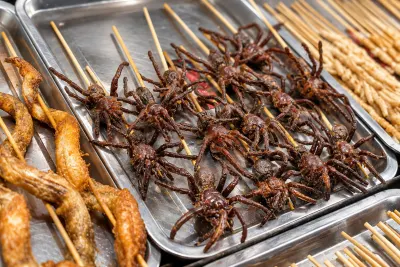
Bizarre Bites and Brilliant Brews: What to Eat on a Vietnam Beer Tour
Duck egg with lager? Crickets with a citrusy pale ale? Goat with something maltier? Here are playful beer matches for the Vietnam tour’s real menu—from familiar street-food favourites to optional bites with antennae.