Port vs Douro Wine: What’s the Difference—and Which One Goes Best with Lunch?
 Tipple Tours

Port and Douro wine come from the same beautiful Portuguese wine region. That is where the confusion begins—and where the wine list starts looking like it has set you a geography test.
Here’s the quick answer: Port is a fortified wine made in the Douro; Douro wine usually means the region’s still, unfortified wine. Both can be excellent with food. One is not simply “the other one, but sweeter”. There are several styles, plenty of exceptions and no requirement to announce your choice in a dramatic Portuguese accent.
So what is Port?
Port is a fortified wine from the Douro Demarcated Region. During fermentation, grape spirit is added to stop the process. That leaves natural grape sweetness in the wine and raises its alcohol level. Port is often around 19–22% alcohol, though the exact figure depends on the style.
Port comes in a range of colours, sweetness levels and styles. Ruby Port is generally fruitier and deeper in colour. Tawny Port is aged in wood and develops a more mellow, nutty character. White Port can be dry or sweet, and dry white Port is a very good aperitif—especially served chilled or made into a Portonic with tonic, ice and lemon.
So, no, Port is not always a sweet after-dinner drink. It is simply very good at making the end of a meal feel like it has received a promotion.
And what is Douro wine?
The Douro is also a region for still wines, often labelled Douro DOC. These wines are made from local grapes and can be red, white or rosé. Most people thinking of “Douro wine” at lunch mean a dry table wine rather than Port.
Douro reds can be full-bodied and structured, while whites can be fresh and food-friendly. The region also makes other styles, including sparkling wine and Moscatel do Douro. The label and producer will tell you more than the valley’s name alone.
In other words, the Douro is not a single bottle. It is a whole wine region with two famous identities: Port and still Douro wine. Imagine a town with a famous mayor who also happens to have an excellent sibling. They’re both from the same place; they do different jobs.
Which one goes best with lunch?
For a typical lunch, start with a Douro still wine. A Douro white can work beautifully with seafood, fish, salads or lighter dishes. A Douro red is a natural partner for red meat, duck and richer, more savoury food.
Port can absolutely appear during a meal too. Dry white Port works as an aperitif, and it can pair with things like smoked fish, almonds or ham. Some styles of Tawny pair with pâté, nuts and richer dishes; Late Bottled Vintage Port can work with steak or roast beef. The IVDP, Portugal’s Port and Douro wine institute, even gives pairings for Port throughout a meal.
The best rule is to match the wine’s weight and sweetness to the food. A big, sweet Port may overwhelm a delicate lunch, rather like a brass band entering a library. But a chilled, dry white Port before the meal? That can be a very civilised opening act.
What about dessert and cheese?
This is where Port really gets to show off. Ruby styles and LBV are often delicious with chocolate desserts. Tawny Port’s nutty, caramel-like notes can work with nuts, dried fruit and richer desserts. Port with cheese is a classic for a reason, although the best match depends on the style of Port and the cheese.
You can also finish with a Douro still wine if that’s what you prefer. There is no official wine police officer stationed beside the cheeseboard.
A simple Douro lunch plan
If you want an easy starting point, try this:
Before lunch: chilled dry white Port or a Portonic.
With seafood or lighter dishes: Douro white.
With a roast, duck or red meat: Douro red.
With chocolate or a cheese course: Ruby, LBV or a suitable Tawny.
Drink at your own pace, eat properly and remember that tasting notes are optional. “This goes very well with lunch” is already a complete review. You do not need to claim you’ve detected “a gentle echo of toasted barrel in a valley breeze” while holding a sandwich.
The verdict
Port and Douro wine share a region, local grapes and a strong connection to the Douro Valley—but they are different styles. Port is fortified, often sweeter and higher in alcohol. Douro still wine is generally the more straightforward pick for a main course.
For lunch, choose the wine that suits the food and the occasion. Pick Douro white or red for a classic meal pairing; choose dry white Port as an aperitif; keep a sweeter Port ready for dessert or cheese.
And if lunch becomes a longer conversation about the difference between Porto, Port and the Douro, relax. You have found the correct wine region. The conversation is part of the pairing.
Tipple Tours builds small-group adventures around local wines, breweries and the stories behind them. See our current tours for destinations to explore over a glass or two.
Explore Related Tours
Turn This Story Into Your Adventure

Editorial Team
The Tipple Tours team writes about wine, beer, and travel based on firsthand experience running tours across Europe since 2018.
Learn more about usContinue Exploring
More Stories You'll Love
 🗺️ Destination Guides
Can You Really Go on Holiday and Star in Your Own Movie?
Ever fancied becoming a movie star without the inconvenience of talent? Discover a holiday where you can drink Moldovan wine, battle zombie grandmothers and star in a horror film that Hollywood will desperately pretend doesn't exist.
 🗺️ Destination Guides
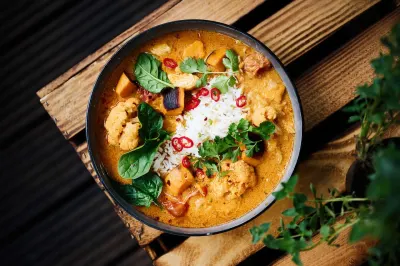
Wine with Curry: Pairing Indian Food Without Calling Everything “Spicy”
Pairing wine with curry shouldn’t require a spice degree or a waiter with a flip chart. From creamy korma to vindaloo with theatrical ambitions, here’s how to find a bottle that gets along with your dinner.
 🗺️ Destination Guides
Nashik Wine Country: India’s Vineyard Region Explained
Welcome to Nashik, where India swaps the chai for Chenin Blanc and “just a small tasting” develops into an afternoon with ambitions. Discover vineyards, Indian wines and why your tasting notes can safely remain “yes, more of that.”
 🗺️ Destination Guides
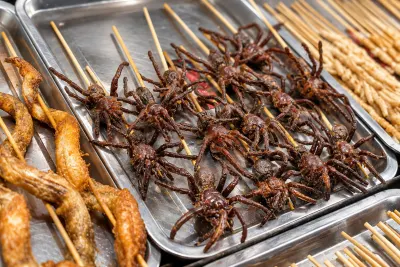
Bizarre Bites and Brilliant Brews: What to Eat on a Vietnam Beer Tour
Duck egg with lager? Crickets with a citrusy pale ale? Goat with something maltier? Here are playful beer matches for the Vietnam tour’s real menu—from familiar street-food favourites to optional bites with antennae.
 🗺️ Destination Guides
Saigon Craft Beer: A Beginner’s Guide to Vietnam’s Modern Brewery Scene
New to Saigon craft beer? Start with a lager, explore a pale ale or IPA and ask the bartender what’s on tap. No hop diploma required; confident pointing is entirely acceptable.
 🗺️ Destination Guides
Hanoi Beer Streets: How to Order, Where to Sit and Why the Stool Is So Small
Fresh bia hơi, sidewalk snacks and stools built for a very compact committee meeting. Here’s how to order, find a seat and enjoy Hanoi’s beer streets without blocking the pavement or losing a knee.