Armenian Brandy: How to Taste It Without Pretending You’ve Detected “Hints of Oak”
 Tipple Tours
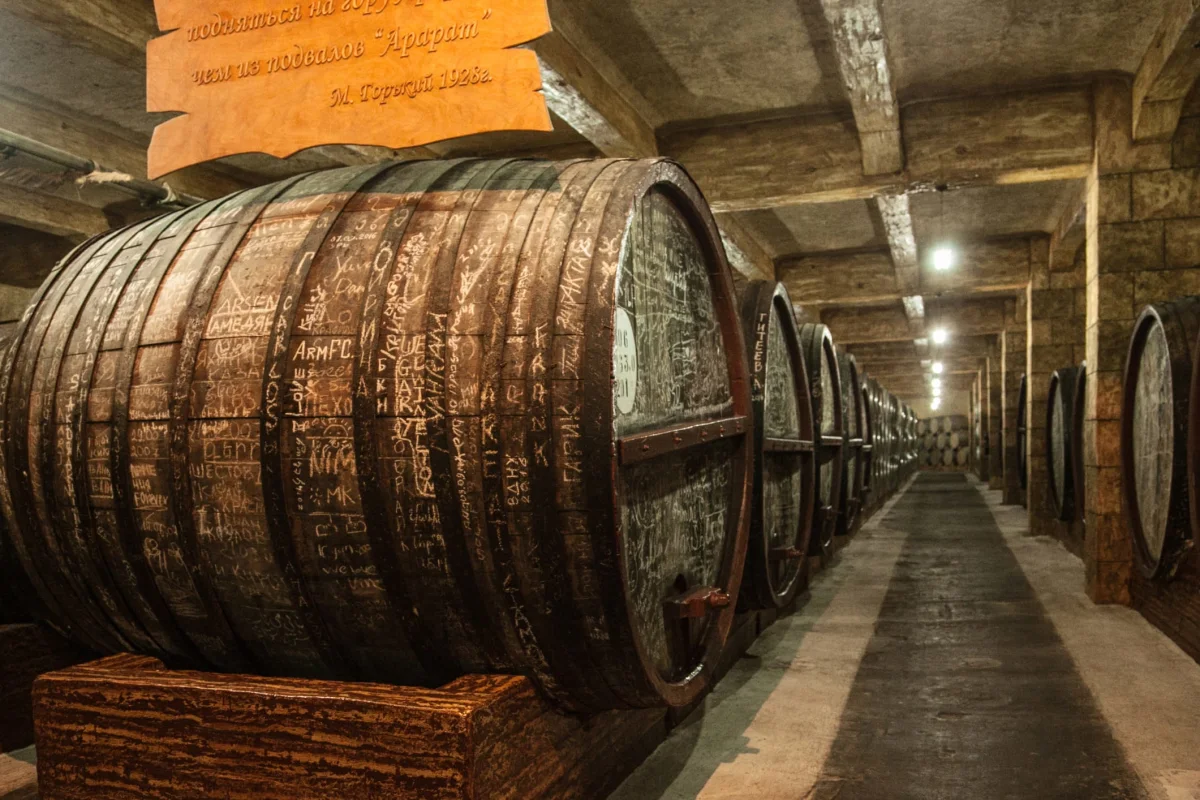
Armenian brandy has a long history, a serious reputation and a taste that can make people sit up straighter than they intended.
It also has a small public-relations problem: at some point, someone will swirl a glass, inhale deeply and announce “hints of oak” with the confidence of a person who has just inspected the forest personally.
You do not need to do that.
Armenian brandy is made from grape spirit and matured in oak casks. The ageing can bring warmth, colour and layers of flavour, but tasting it is not an audition for a wine documentary. Start with what you actually notice. “Smooth”, “spicy”, “rich” and “I’d happily try that again” are all valid.
Armenian brandy in a nutshell
Armenia has a long tradition of grape growing and distilling. Commercial brandy production in the country began in the late nineteenth century, and Armenian brandy became one of its best-known drinks.
You will sometimes hear people call it “Armenian cognac”. In this post, we’ll call it Armenian brandy: clear, accurate and unlikely to start an argument with a French lawyer.
Different producers and blends have their own character. Some are younger and lively; older expressions can develop deeper, more layered aromas and a longer finish. Age matters, but it does not mean every older bottle will suit every palate. The best brandy is still the one you enjoy drinking.
How to taste Armenian brandy
A tasting is easy. You do not need a velvet jacket, a dramatic pause or an imaginary orchestra.
1. Look
Notice the colour. Armenian brandy may range from warm amber to deeper copper and mahogany tones, depending on the blend and ageing. Tilt the glass gently and see how it catches the light. This is the one moment where holding your drink up like a tiny sunset is officially useful.
2. Smell
Bring the glass towards your nose and take a gentle sniff. Start with one small breath rather than inhaling as if the glass contains the answer to a difficult exam.
You may notice fruit, spice, vanilla, chocolate, dried fruit or woody aromas. Or you may simply think, “That smells lovely.” Trust your own nose. It is attached to your face, after all.
3. Sip
Take a small sip and let it sit briefly in your mouth. Notice whether it feels light or rich, sweet or dry, soft or warming. Armenian brandy can be strong, so a small sip gives you plenty to consider without trying to prove anything to the glass.
4. Wait for the finish
The flavours may change after you swallow. That lingering impression is called the finish. It might seem spicy, sweet, fruity or warm. If the only note you can identify is “more interesting than the tea I had at the airport”, you are still participating successfully.
What does Armenian brandy taste like?
There is no single flavour profile for every Armenian brandy. Blends, ages and producers vary. You might find notes of dried fruit, vanilla, spice, chocolate, nuts, citrus or oak. A particular expression may feel silky and rounded; another may be bold and warming.
One ARARAT expression, for example, describes aromas including chocolate, cinnamon and citrus. Another uses notes such as toasted bread, cloves, honey and spice. These are useful possibilities, not a list you need to memorise before the tasting starts. Your glass has not secretly set a test.
If someone says they detect “hints of oak”, they may be right. Oak casks are part of the ageing process. You are also allowed to say, “I can see why,” then carry on enjoying it without naming a tree species.
Why does the glass matter?
A tulip-shaped or brandy-tasting glass can concentrate aromas and make it easier to smell the drink. A specialist glass is helpful, but not a personality requirement. The main thing is to use a glass that lets you take small sips and appreciate the aroma.
Some tasters gently warm the glass in their hand. The warmth can help release aromas, but there is no need to cup it like a newborn bird or hover over it with a hairdryer. Let the drink take its time.
Brandy tasting is not a speed challenge
Armenian brandy is best approached slowly. Take a sip, pause and drink some water. You can taste it neat if that is how it is served or ask whether the producer recommends another way to enjoy it. There are also brandy cocktails, so purists need not faint if someone mentions a mixer.
At a tasting, follow the host’s lead and keep your pours sensible. Brandy is higher in alcohol than wine, so a small measure goes a long way. There is no prize for being the first person to declare the glass empty. The prize is remembering which one you liked.
A little history makes the glass taste better
Armenian brandy production is often associated with Yerevan, where the industry grew in the late 1800s. Today, visiting a brandy producer can offer a window into the craft of distillation, blending and ageing, as well as Armenia’s wider food and drink culture.
Ask how a particular brandy is blended, what the age statement means and which foods might go well with it. Producers and guides are generally better placed to explain their own bottles than a stranger at the next table who has just used the phrase “the terroir of the barrel”.
Your beginner’s tasting vocabulary
If you want a few easy words to start with, try:
Aroma: what you smell.
Body: whether it feels light or rich in your mouth.
Finish: the flavour that remains after you swallow.
Balanced: when no single element overwhelms the others.
Delicious: a technically sound summary that does not require a dictionary.
And if you genuinely pick up a note of oak, say so. If you do not, don’t invent one. Nobody is going to ask you to identify the barrel’s birthplace.
Tipple Tours’ small-group Armenia trip explores the country’s wine culture and local drinks, with the stories and places behind them. Check the Tipple Tours tours page for current departures.
Armenian brandy rewards a slow sip and an open mind. Look, smell, taste and see what you think. “Hints of oak” are optional. Enjoying the drink is the whole point.
Explore Related Tours
Turn This Story Into Your Adventure

Editorial Team
The Tipple Tours team writes about wine, beer, and travel based on firsthand experience running tours across Europe since 2018.
Learn more about usContinue Exploring
More Stories You'll Love
 🗺️ Destination Guides
Areni and Armenia’s Wine Country: Monasteries, Cellars and Seriously Good Reds
Explore Areni’s ancient wine cave, local red grapes and Noravank’s red-rock setting. Armenia’s wine country serves up history, views and seriously good reds—without a tasting exam.
 🗺️ Destination Guides
Armenian Wine for Beginners: Ancient Grapes, Mountain Views and No Pop Quiz
New to Armenian wine? Start with Areni, try a glass of Voskehat, enjoy the mountain views and relax: there’s no pop quiz, just a very good chance you’ll find a new favourite.
 🗺️ Destination Guides
Can You Really Go on Holiday and Star in Your Own Movie?
Ever fancied becoming a movie star without the inconvenience of talent? Discover a holiday where you can drink Moldovan wine, battle zombie grandmothers and star in a horror film that Hollywood will desperately pretend doesn't exist.
 🗺️ Destination Guides
Wine with Curry: Pairing Indian Food Without Calling Everything “Spicy”
Pairing wine with curry shouldn’t require a spice degree or a waiter with a flip chart. From creamy korma to vindaloo with theatrical ambitions, here’s how to find a bottle that gets along with your dinner.
 🗺️ Destination Guides
Nashik Wine Country: India’s Vineyard Region Explained
Welcome to Nashik, where India swaps the chai for Chenin Blanc and “just a small tasting” develops into an afternoon with ambitions. Discover vineyards, Indian wines and why your tasting notes can safely remain “yes, more of that.”
 🗺️ Destination Guides
Bizarre Bites and Brilliant Brews: What to Eat on a Vietnam Beer Tour
Duck egg with lager? Crickets with a citrusy pale ale? Goat with something maltier? Here are playful beer matches for the Vietnam tour’s real menu—from familiar street-food favourites to optional bites with antennae.