Armenian Wine for Beginners: Ancient Grapes, Mountain Views and No Pop Quiz
 Tipple Tours
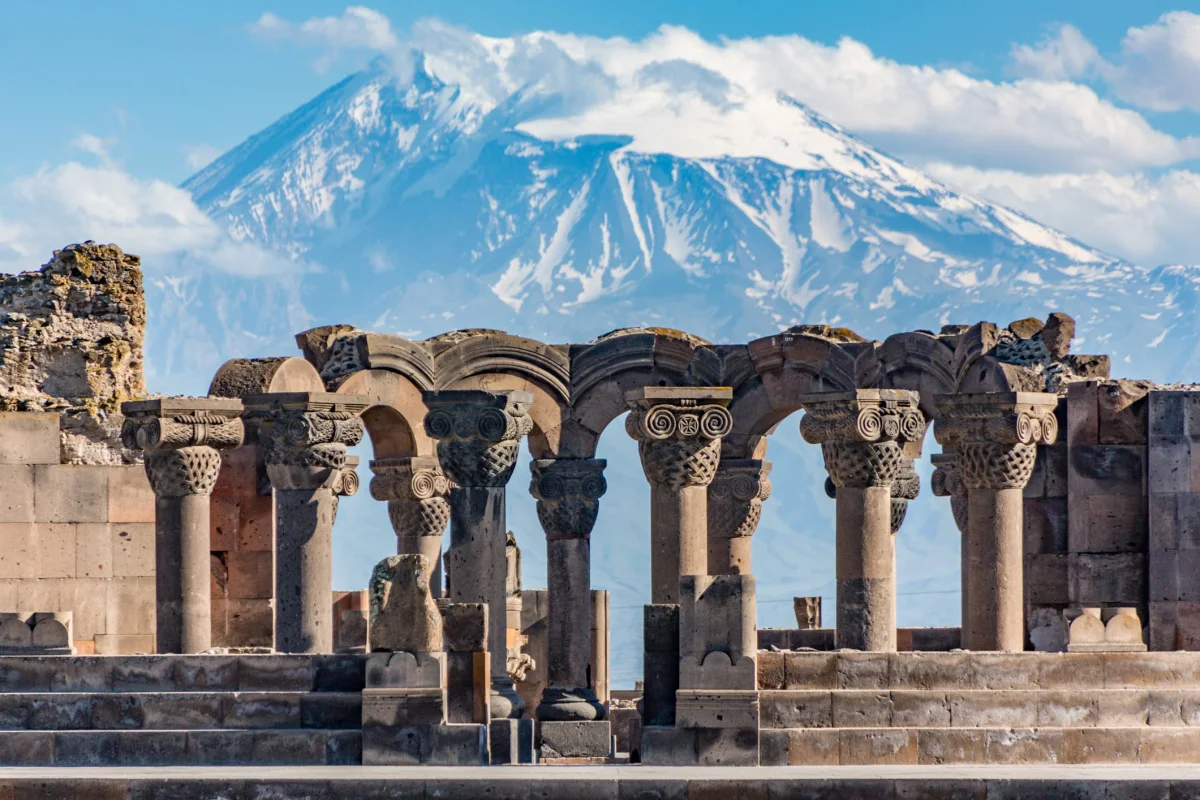
If Armenian wine is new to you, excellent. You can arrive with no tasting vocabulary, no memorised grape charts and absolutely no need to describe a red as “a brooding conversation between blackberry and a damp forest”.
Armenia has a deep winemaking history, distinctive local grapes and wine regions with serious mountain scenery. It also has a relaxed way of making wine feel approachable: taste, ask questions, enjoy the food and see what you like. Nobody is going to hand you a clipboard and ask you to identify a grape under exam conditions.
Armenia has been making wine for a very long time
Archaeological remains at the Areni-1 cave complex in Vayots Dzor point to winemaking in Armenia more than 6,000 years ago. The discoveries included equipment associated with wine production, making the cave a remarkable place to connect today’s wine culture with the distant past.
That does not mean every modern Armenian bottle tastes like it has been waiting since the Bronze Age. Today’s winemakers use a mix of traditional and modern methods, and the result can be fresh, elegant, powerful or wonderfully unexpected.
Start with Areni: Armenia’s famous red grape
Areni, also called Sev Areni or Areni Noir, is the Armenian red grape most likely to appear on your wine adventure. It is closely associated with Vayots Dzor, where the village of Areni gives the grape and the region a convenient name to remember. You can forget the pronunciation guide; pointing at the label is allowed.
Areni wines can show red-fruit flavours and a lively freshness, with styles ranging from lighter and easygoing to more structured. Think cherries and berries, not a mandatory vocabulary exam. The exact flavour depends on the producer, the vineyard and how the wine is made.
Try a white grape too: Voskehat
Voskehat is one of Armenia’s notable indigenous white grapes. Its name is often translated as “golden berry”, which is considerably more poetic than “the white one in the glass”.
Armenian whites can be aromatic and varied, so they are a great way to explore beyond the familiar international grapes. If you see Voskehat on a tasting list, give it a go. You may discover a new favourite, or at the very least have an excellent reason to ask the person pouring it what makes it special.
Where does the wine grow?
Vayots Dzor is one of Armenia’s best-known wine regions, with vineyards, dramatic valleys, mountain views and historic sites all sharing the scenery. The landscape can feel enormous and cinematic: the sort of place where you take a photo, check it and immediately realise the mountains have made your camera look underqualified.
Armenia has other wine-growing regions too, including Ararat and Armavir. Each has its own conditions and grapes, so Armenian wine is not one single style bottled under a large picture of Mount Ararat. There is plenty to explore.
What might you taste on a first Armenian wine tasting?
A tasting may include a red such as Areni, a white such as Voskehat and perhaps other local grapes or blends. Some producers use clay vessels or amphorae; others use oak, stainless steel or a combination. The wines may be dry, sweet, sparkling or somewhere in between.
If you are unsure where to start, ask:
What grape is this?
Is it made in a traditional or modern style?
What local food would you pair with it?
What should I notice, apart from the fact that I like it?
These are excellent questions. They also give you something useful to say while your taste buds hold a committee meeting.
And remember, “I like this one” is a perfectly respectable tasting note. Wine is meant to be enjoyed, not solved like a crossword designed by someone with a vineyard.
Food is part of the fun
Armenian wine is even better when there is something good to eat alongside it. Depending on where you visit, you may find grilled dishes, fresh herbs, vegetables, lavash, cheeses and local specialities. A winery visit can feel less like a formal tasting and more like being welcomed into someone’s world.
Take your time, drink water between tastings and do not arrive expecting a tiny cracker to carry the entire afternoon. Armenian hospitality can be generous, and “I’m just having a small piece” is sometimes interpreted as “please bring the rest of the table”.
How to taste wine without pretending to know everything
Look at the colour, give it a sniff and take a sip. Notice whether it feels light or full, fresh or rounded, fruity or savoury. If a flavour reminds you of something, say so. If it reminds you of nothing, also fine.
There are no wrong answers in a relaxed tasting. There are only people using the word “minerality” with varying levels of confidence. You are free to enjoy the wine without joining them.
Is Armenian wine for beginners?
Absolutely. You do not need to know every grape before you go. A little curiosity is enough. Start with Areni and Voskehat, ask the winemaker a few questions and enjoy the scenery, food and stories that come with the glass.
Armenian wine offers a fascinating introduction to local grapes and a winemaking tradition stretching back thousands of years. It also makes a brilliant travel experience: mountain roads, historic places, welcoming cellars and the pleasure of discovering something unfamiliar.
Tipple Tours’ small-group Armenia wine trip is designed for travellers who enjoy good drinks, interesting places and meeting the people behind the bottles. Check the Tipple Tours tours page for current departures.
Come with questions if you have them. Come without them if you don’t. The only pop quiz is deciding which Armenian wine you want another taste of—and even that is open book.
Explore Related Tours
Turn This Story Into Your Adventure
Editorial Team
The Tipple Tours team writes about wine, beer, and travel based on firsthand experience running tours across Europe since 2018.
Learn more about usContinue Exploring
More Stories You'll Love
 🗺️ Destination Guides
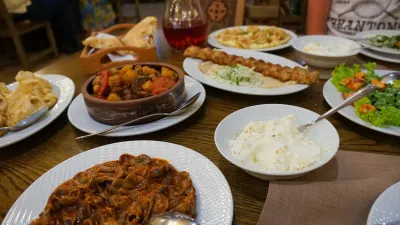
Areni and Armenia’s Wine Country: Monasteries, Cellars and Seriously Good Reds
Explore Areni’s ancient wine cave, local red grapes and Noravank’s red-rock setting. Armenia’s wine country serves up history, views and seriously good reds—without a tasting exam.
 🗺️ Destination Guides
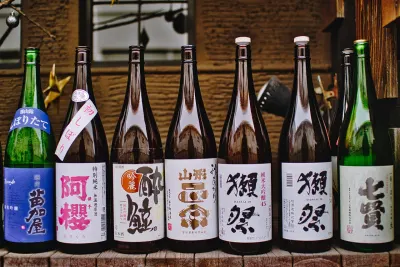
Sake, Japanese Whisky and Wine: How to Tell What’s in Your Glass
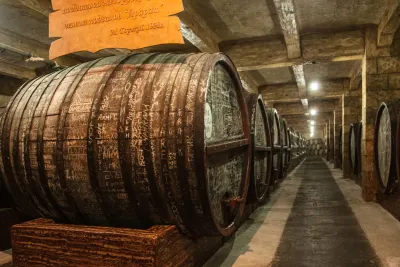
Sake is brewed from rice, Japanese whisky is distilled from grain and wine is fermented from grapes. Here’s how to tell what’s in your glass without inventing “hints of expensive woodland.”
 🗺️ Destination Guides
Armenian Brandy: How to Taste It Without Pretending You’ve Detected “Hints of Oak”
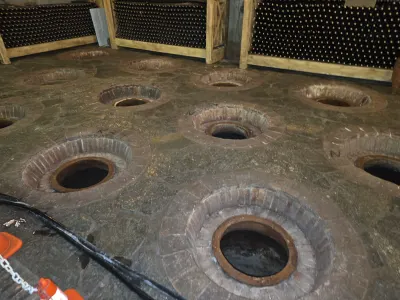
Armenian brandy has centuries of character but you don’t need to identify every spice or claim a personal relationship with the oak tree. Here’s how to taste it like yourself.
 🗺️ Destination Guides
How Georgian Wine Is Made in Qvevri: Meet the Clay Vessel with 8,000 Years of Confidence
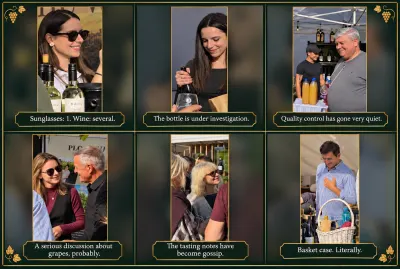
Meet the giant Georgian clay pot buried underground making excellent wine while you struggle to keep a basil plant alive. Eight thousand years of winemaking wisdom. Still no app required.
 🗺️ Destination Guides
Moldova’s National Wine Day: How to Pace Yourself at the World’s Most Tempting Homework Assignment
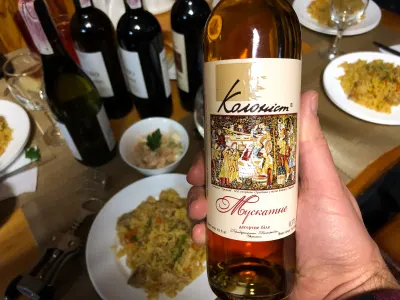
Moldova’s National Wine Day is the school trip your teachers deliberately kept quiet about. Discover fabulous wines, meet the makers and learn why “we’ll meet near the wine” is a spectacularly useless plan. Your homework? Find a favourite.
 🗺️ Destination Guides
The Time I Hosted a Wine Tasting Inside Chernobyl (Apparently a Normal Venue Was Too Obvious)
Most wine tastings take place in vineyards, cellars or hotels. Mine took place inside the Chernobyl Exclusion Zone after a day exploring abandoned cities and one of history's most famous disaster sites. Looking back, it remains the most unusual venue I've ever used and one of the best stories I've ever brought home.