How Georgian Wine Is Made in Qvevri: Meet the Clay Vessel with 8,000 Years of Confidence
 Tipple Tours
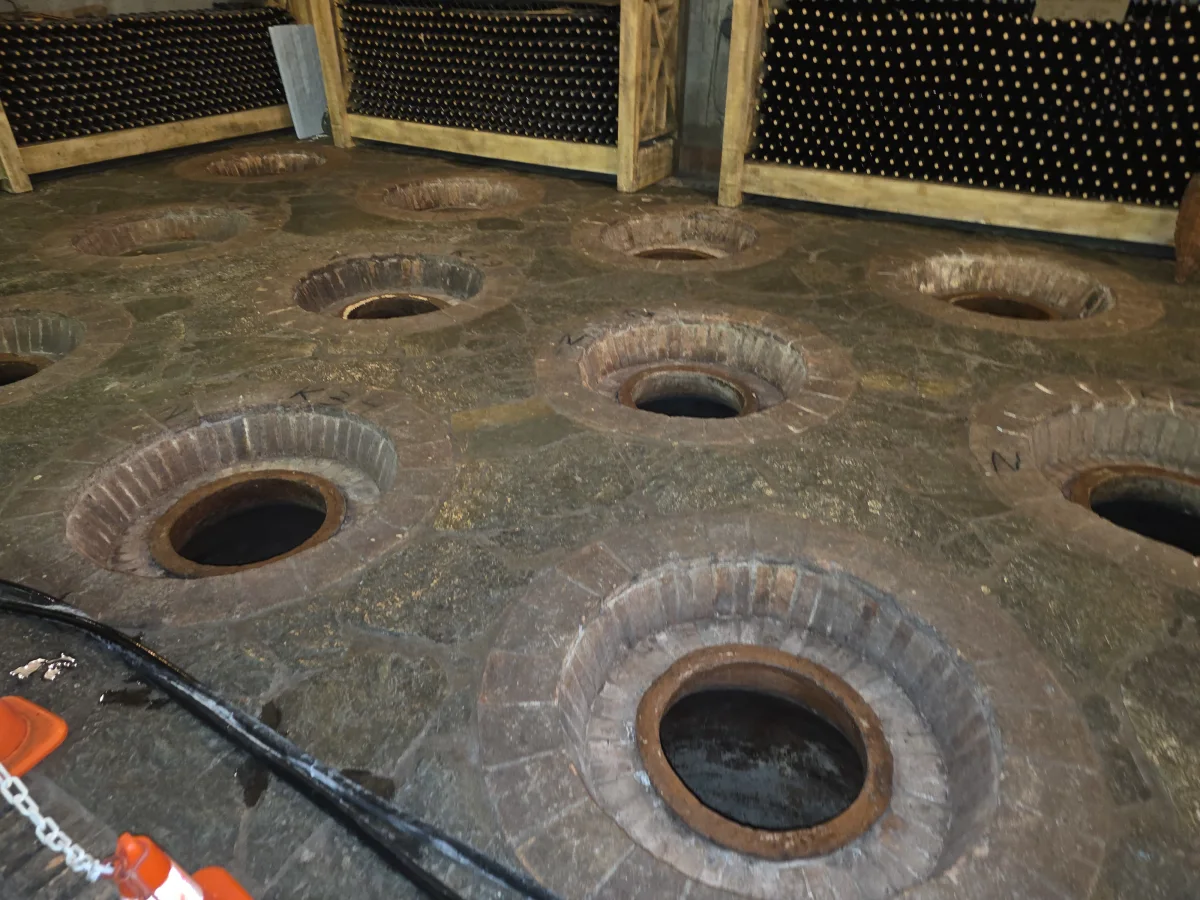
Some wine is made in shiny stainless-steel tanks. Some is made in oak barrels. Georgian wine has another option: a giant egg-shaped clay vessel buried in the ground, where it can quietly get on with things while the rest of us worry about the Wi-Fi.
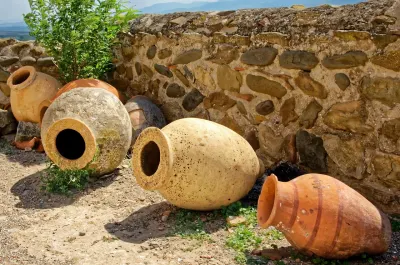
It is called a qvevri (pronounced roughly kweh-vree). Georgia’s traditional qvevri winemaking goes back around 8,000 years and was added to UNESCO’s Intangible Cultural Heritage list in 2013. This is not a trend. It has been fashionable since before anyone invented the word “artisan”.
First, what exactly is a qvevri?
A qvevri is a large clay vessel used to ferment, mature and store wine. It is usually egg-shaped and buried in the floor of a winery, known as a marani. Depending on the winery, a qvevri may hold a few hundred litres or several thousand. That is less “quirky kitchen accessory” and more “please don’t knock into the wine cellar”.
The clay vessel sits underground, where the earth helps keep temperatures steady. It has no app, no touchscreen and no subscription fee. It does, however, have an astonishingly long résumé.
How qvevri wine is made
The details vary by region and winemaker, but the traditional process usually goes something like this:
1. The grapes are harvested and crushed
Grapes are picked, then crushed to release the juice. In traditional winemaking, the grapes may be processed in a wooden winepress called a satsnakheli. The result is grape juice plus the skins, pips and sometimes stems. In Georgia, that solid grape material is often called chacha—which can cause confusion if you were expecting the grape spirit of the same name. Georgian wine vocabulary enjoys keeping visitors alert.
2. The juice and grape solids go into the qvevri
The grape juice is poured into the qvevri, often with the skins and pips. How much grape material goes in, and for how long, depends on the region and producer. In Kakheti, the traditional method generally uses more of the grape solids; in Imereti, a smaller proportion is commonly used.
This is one reason qvevri wines can taste and feel different from familiar wines made with juice alone. The skins and pips contribute colour, aroma, texture and tannin. Stems may also be included, depending on the style. The grapes are not simply put in a clay pot and told to “manifest a complex finish”.
3. Fermentation gets under way
Yeasts convert grape sugars into alcohol and carbon dioxide. In traditional qvevri winemaking, fermentation can happen with naturally occurring yeasts, though modern producers may make different choices. The cap of skins and other solids needs attention during fermentation, and cellar practice varies from one winery to another.
This is the active part of the operation. The qvevri is ancient, but the winemaker is still doing the important work. Clay vessels do not come with a tiny Georgian winemaker inside.
4. The wine rests on its skins
After fermentation, the wine may remain in contact with the skins, pips and other grape solids for an extended period. The time depends on the grape, the region, the vintage and the winemaker’s preferred style.
That contact can give white grapes a deeper colour and more grip. The result is often called amber wine—also widely known as orange wine. It is white wine made with skin contact, not orange juice that has taken a wrong turn at the airport.
5. The wine is drawn off and eventually bottled
Once the winemaker decides the wine has spent enough time resting, it is separated from the solids and moved on for further settling or bottling. The qvevri is cleaned and prepared for another vintage. Somewhere in the cellar, a clay vessel with 8,000 years of experience quietly gets ready for overtime.
Does qvevri wine always taste the same?
Absolutely not. “Qvevri wine” describes a traditional vessel and method, not one single flavour. Grape variety, region, skin contact, stems, fermentation and ageing all affect the result.
Amber qvevri wines may show dried fruit, herbs, nuts, tea-like notes and a firm, grippy texture. Reds can be made in qvevri too. Some wines are bold and structured; others are gentler. The best approach is to taste with curiosity and let the winemaker explain what is in your glass.
If the first sip makes you pause and say, “That’s different,” you are doing it correctly. Wine tasting is partly noticing flavours and partly trying to look thoughtful while your brain searches for a fruit you have not eaten since 1998.
Why bury a perfectly good wine vessel?
The underground setting helps buffer temperature changes, while the qvevri’s shape and the winemaker’s choices influence how the wine ferments and matures. The method also connects today’s producers with generations of Georgian winemaking knowledge.
It is a practical tradition with a remarkable history—not a gimmick designed to make wine lists harder to pronounce. Georgia has been making wine for thousands of years, and qvevri winemaking is still part of living wine culture today.
How to taste qvevri wine without pretending to be a sommelier
Start by asking what grape you are tasting, how long it spent on the skins and whether the wine is made in a Kakhetian or Imeretian style. Then take a sip. Notice the colour, aroma, texture and finish. You do not need to announce that it has “a whisper of autumnal parchment”. “I like it” is a complete tasting note.
Try it with Georgian food if you can. Amber wine’s texture and savoury character can stand up beautifully to a generous table. Georgian hospitality is famously generous, so pace yourself: the wine may be ancient, but dinner can still arrive with a fresh round of toasts.
Meet the qvevri in Georgia
Reading about qvevri is a fine start. Seeing one in a marani, hearing a winemaker explain the process and tasting the result is much better—and may involve bread, food and several new pronunciations.
Tipple Tours’ small-group Georgia trip explores the country’s wine culture around Tbilisi and Kakheti, with local tastings and plenty of room for questions. Find current departures on the Tipple Tours Georgia and wine tours page.
The qvevri has been making wine for roughly 8,000 years. It has survived empires, fashion cycles and the invention of wine scores. Give it one visit and you may understand why it still has the confidence of a vessel that knows it was here first.
Explore Related Tours
Turn This Story Into Your Adventure

Editorial Team
The Tipple Tours team writes about wine, beer, and travel based on firsthand experience running tours across Europe since 2018.
Learn more about usContinue Exploring
More Stories You'll Love
 🗺️ Destination Guides
Kakheti Wine Country: What to Expect Beyond “Just One More Glass”
Kakheti serves up qvevri wine, mountain views, excellent food and generous hospitality. Here’s what to expect beyond the phrase “I’ll just have one more”.
 🗺️ Destination Guides
Georgian Grandmas Are Better Than Michelin Stars (And I've Done The Research)
I've eaten in excellent restaurants around the world but some of my most memorable meals happened at Georgian kitchen tables. The food was incredible, the wine never stopped flowing and every grandmother seemed personally offended by the idea that I might already be full.
 🗺️ Destination Guides
The Georgian Supra Explained: Toasts, Tamada and When Dinner Becomes an Event
A Georgian supra is dinner with a tamada, heartfelt toasts, an avalanche of food and the sudden realisation that “I’ll just have a little” was not a binding contract.
 🗺️ Destination Guides
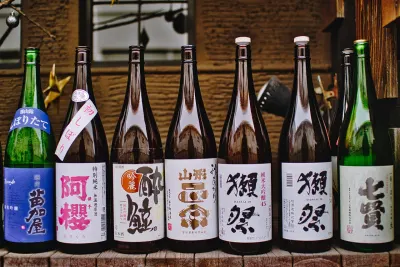
Sake, Japanese Whisky and Wine: How to Tell What’s in Your Glass
Sake is brewed from rice, Japanese whisky is distilled from grain and wine is fermented from grapes. Here’s how to tell what’s in your glass without inventing “hints of expensive woodland.”
 🗺️ Destination Guides
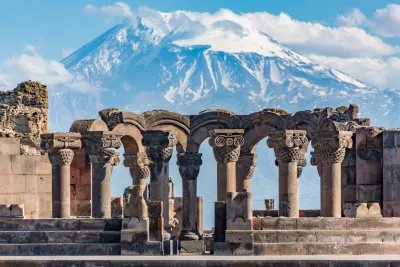
Armenian Wine for Beginners: Ancient Grapes, Mountain Views and No Pop Quiz
New to Armenian wine? Start with Areni, try a glass of Voskehat, enjoy the mountain views and relax: there’s no pop quiz, just a very good chance you’ll find a new favourite.
 🗺️ Destination Guides
Moldova’s National Wine Day: How to Pace Yourself at the World’s Most Tempting Homework Assignment
Moldova’s National Wine Day is the school trip your teachers deliberately kept quiet about. Discover fabulous wines, meet the makers and learn why “we’ll meet near the wine” is a spectacularly useless plan. Your homework? Find a favourite.