Kakheti Wine Country: What to Expect Beyond “Just One More Glass”
 Tipple Tours
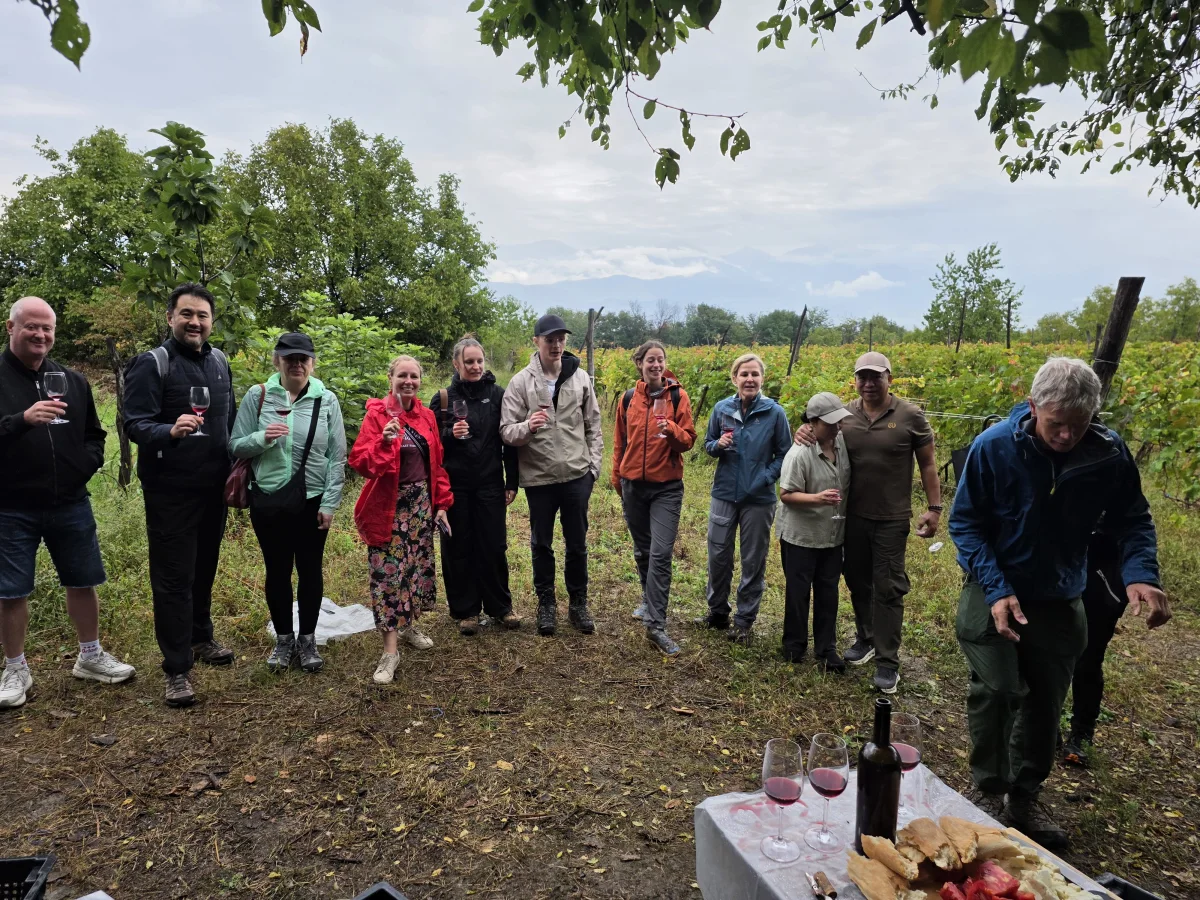
Kakheti is Georgia’s best-known wine region and it has a way of making a day trip feel like a very persuasive argument for staying another week.
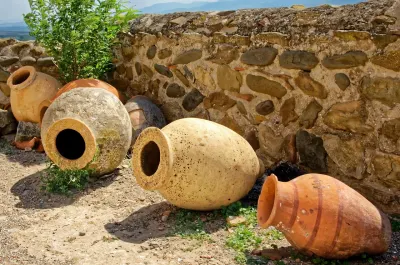
There are vineyards, family cellars, clay qvevri, mountain views, old towns and tables that seem to refill themselves when nobody is looking. Yes, there is wine. But Kakheti is not just a tasting room with a large countryside attached. It is a region with its own food, history, landscapes and pace of life - and you can enjoy it even if you are not trying to set a personal record for saying “just one more”.
Where is Kakheti?
Kakheti lies in eastern Georgia. Much of its wine country sits around the Alazani and Iori basins, with vineyards, villages and towns spread across a landscape that shifts between green valleys, dry plains and mountain views.
The region is also home to historic sites, museums and old towns. Telavi is one of its main centres, while the wider region rewards a little wandering between cellar visits. You might arrive for the wine and find yourself taking photographs of a mountain, a church, a market stall and a dog that appears to own the street.
The wine: qvevri, Saperavi and Rkatsiteli
Kakheti has a long winemaking tradition, and qvevri wine is a big part of its identity. Qvevri are large clay vessels, traditionally buried in the cellar floor, where wine ferments and matures. In Kakhetian winemaking, grape juice is commonly fermented with the grape skins, stalks and pips. That skin contact can give white grapes deeper colour, texture and tannin.
Two names you are likely to hear are Saperavi and Rkatsiteli. Saperavi is Kakheti’s best-known red grape and can produce rich, deeply coloured wines. Rkatsiteli is a widely grown white grape, and in qvevri it can become a structured amber wine with a very different feel from a light, familiar white.
You may also encounter European-style wines made from Georgian grapes. Qvevri is a tradition, not a rule that every bottle must follow. Ask the winemaker how a wine was made. It is a good question and gives you a moment to look informed while everyone else decides whether the cheese is about to arrive.
What happens at a Kakheti winery?
No two visits are exactly alike. At a family cellar, you may hear how a producer grows the grapes, tends the qvevri and makes wine. A tasting might include several styles alongside homemade food. At a larger winery, the visit may be more structured, with a tour through the cellar and a guided tasting.
Expect the conversation to matter as much as the glass. Georgian wine is tied to place, family and hospitality. You may learn why one wine is kept on its skins for longer, how a qvevri is cared for or which local dish makes a particular bottle taste even better.
You do not need to identify seventeen aromas. “That’s delicious” is useful feedback. “I detect a hint of vineyard and a faint memory of my school geography teacher” is optional.
The food is not a supporting act
Kakheti is a very good place to meet Georgian food properly. Expect generous dishes, fresh herbs, vegetables, bread, cheeses and regional specialities. A winery lunch can turn into the sort of meal where the table gradually fills until there is no visible wood left.
The key is to pace yourself at both ends of the table. Take smaller servings if you want to try more dishes. Drink water between tastings. And do not make a confident promise that you are “saving room” unless you know what is coming next. Georgian hosts can interpret that as a challenge.
There is plenty to see between tastings
The pleasure of Kakheti is the variety. One minute you are learning about wine in a cellar; later you may be looking across the Alazani Valley, exploring a historic town or stopping to admire an old church or monastery. There are museums and local markets too, where you can find produce, sweets and the practical evidence that life here does not revolve exclusively around wine.
That said, the countryside is part of the experience. Leave a little time to look out of the window. The Caucasus Mountains are not going to move closer just because you are trying to finish a tasting note before the minibus departs.
How to enjoy the region without turning it into a wine marathon
A good Kakheti day has a comfortable rhythm: a winery visit, time to hear the stories, food, scenery and enough breathing space to remember where you are. You can taste generously without treating each pour as a dare.
A few small tips help:
Ask questions. Producers are often delighted to explain their grapes, methods and wines.
Taste at your own pace. There is no prize for finishing first.
Eat properly. Georgian food is part of the trip, not emergency padding.
Keep some room in the day. The best moments may happen between the planned stops.
Bring curiosity. You do not need wine expertise; you just need to be willing to try something new.
Is Kakheti worth visiting if you are not a wine expert?
Definitely. Wine gives you a brilliant way into the region, but Kakheti also offers landscapes, history, food and warm hospitality. You can enjoy a cellar visit without discussing tannins as though you are about to buy the vineyard.
And if you are a wine lover, well, Kakheti is likely to make you very happy. Just remember that “one more glass” is a charming phrase, not a reliable schedule.
Tipple Tours’ small-group Georgia trip explores the country’s wine culture around Tbilisi and Kakheti, with local tastings and time to get to know the places behind the bottles. See current departures on the Tipple Tours Georgia and wine tours page.
Come for the wine. Stay for the mountains, the food and the conversations. Leave with a new favourite grape - and possibly a suitcase that is several bottles heavier than when you arrived.
Explore Related Tours
Turn This Story Into Your Adventure

Editorial Team
The Tipple Tours team writes about wine, beer, and travel based on firsthand experience running tours across Europe since 2018.
Learn more about usContinue Exploring
More Stories You'll Love
 🗺️ Destination Guides
The Georgian Supra Explained: Toasts, Tamada and When Dinner Becomes an Event
A Georgian supra is dinner with a tamada, heartfelt toasts, an avalanche of food and the sudden realisation that “I’ll just have a little” was not a binding contract.
 🗺️ Destination Guides
How Georgian Wine Is Made in Qvevri: Meet the Clay Vessel with 8,000 Years of Confidence
Meet the giant Georgian clay pot buried underground making excellent wine while you struggle to keep a basil plant alive. Eight thousand years of winemaking wisdom. Still no app required.
 🗺️ Destination Guides
Georgian Grandmas Are Better Than Michelin Stars (And I've Done The Research)
I've eaten in excellent restaurants around the world but some of my most memorable meals happened at Georgian kitchen tables. The food was incredible, the wine never stopped flowing and every grandmother seemed personally offended by the idea that I might already be full.
 🗺️ Destination Guides
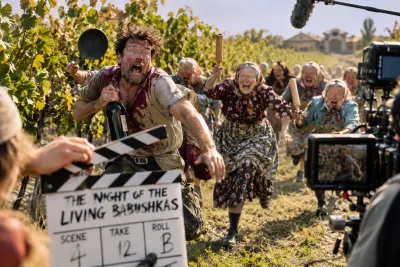
Can You Really Go on Holiday and Star in Your Own Movie?
Ever fancied becoming a movie star without the inconvenience of talent? Discover a holiday where you can drink Moldovan wine, battle zombie grandmothers and star in a horror film that Hollywood will desperately pretend doesn't exist.
 🗺️ Destination Guides
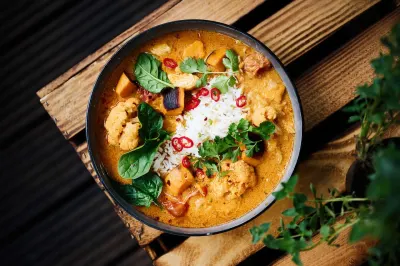
Wine with Curry: Pairing Indian Food Without Calling Everything “Spicy”
Pairing wine with curry shouldn’t require a spice degree or a waiter with a flip chart. From creamy korma to vindaloo with theatrical ambitions, here’s how to find a bottle that gets along with your dinner.
 🗺️ Destination Guides
Nashik Wine Country: India’s Vineyard Region Explained
Welcome to Nashik, where India swaps the chai for Chenin Blanc and “just a small tasting” develops into an afternoon with ambitions. Discover vineyards, Indian wines and why your tasting notes can safely remain “yes, more of that.”