Sake, Japanese Whisky and Wine: How to Tell What’s in Your Glass
 Tipple Tours
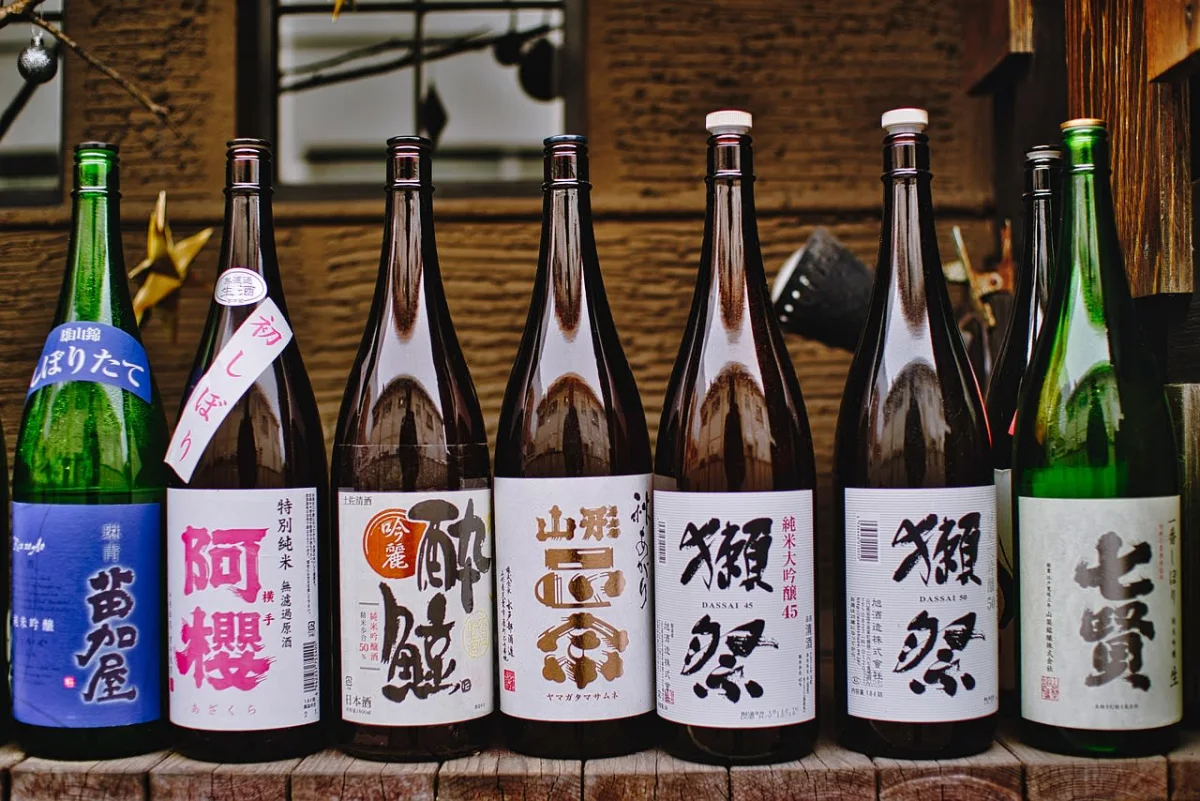
You’re at a Japanese tasting. Three glasses arrive. One is pale and delicate; one smells as if it has spent time thinking about a wooden barrel and one looks suspiciously like wine.
You could guess. You could sniff each glass with the grave concentration of a detective examining a clue. Or you could learn the one question that solves most of the mystery:
What was it made from, and how was it made?
That’s the difference between sake, Japanese whisky and wine. It’s also a more reliable method than announcing, “I’m getting notes of a very expensive holiday.”
Sake: rice, koji and a clever bit of fermentation
Sake—often called nihonshu in Japan—is brewed from rice. The process uses rice, water, yeast and koji, a mould that helps convert the rice starch into sugars the yeast can ferment. That makes sake a brewed drink, not a distilled spirit like whisky.
People sometimes call sake “rice wine” because of how it’s served and enjoyed, but its production is quite different from grape wine. It can be served chilled, at room temperature or warm, depending on the style and the drinker’s preference. There isn’t one temperature that makes you officially correct. Happily, the sake police are not waiting behind the fridge.
Sake can be light, rich, aromatic, savoury, fruity or somewhere between. If someone asks what you notice, you can say what you actually notice. “I like this one” is a perfectly respectable tasting note. It is also much easier to remember than “a distant orchard after rain”.
Japanese whisky: grain, distillation and time in a cask
Whisky is made from grain, fermented, distilled and matured in wooden casks. That distillation step is the big clue: sake is brewed; whisky is distilled.
The words Japanese whisky on a label have a specific industry meaning under standards set by the Japan Spirits & Liqueurs Makers Association. In broad terms, the standards require Japanese ingredients and production, distillation and maturation in Japan, at least three years in wooden casks in Japan, and bottling there. The bottled whisky must be at least 40% alcohol by volume. The standards also allow plain caramel colouring.
So if you’re curious about where a bottle was made, look beyond a Japanese-sounding name or an attractive label featuring a mountain. Check the product details and producer information. A bottle can be associated with Japan without every part of its contents having been made there.
Whisky’s flavour can reflect the grain, distillation, cask and blending. You may notice fruit, spice, smoke, vanilla or wood—but you don’t need to identify the entire contents of a carpenter’s workshop before you’re allowed to enjoy it.
Wine: grapes, fermentation and the occasional Japanese twist
Wine is made by fermenting grapes. Japanese wine may use internationally familiar grapes as well as varieties grown in Japan, including Koshu and Muscat Bailey A.
The country’s wine regions and producers have adapted viticulture to Japan’s varied climates. That means a Japanese wine tasting can include styles and grapes you recognise, alongside bottles that introduce you to something new. It is wine, though—not sake that has changed outfits.
As with any wine, style varies. A glass might be crisp and light, fragrant and floral, or more structured. The label can tell you the grape, region and producer, though it may not explain why the person beside you has started describing it as “a confident little number”.
The quick-glass guide
If you want a fast way to tell the three apart, start with the base ingredient and process:
Sake: rice is brewed with koji and yeast.
Japanese whisky: grain is fermented and distilled, then matured in casks.
Wine: grapes are fermented.
Colour and aroma can help, but they can also mislead. Some sake is golden; some wine is pale; whisky may be light or dark depending on its maturation and permitted colouring. Your nose is useful, but it is not a laboratory with a tiny clipboard.
How to taste without auditioning for a documentary
Take a small sip. Notice whether it feels light or full, dry or sweet, soft or sharp. Think about what you enjoy with food. Then say so.
For sake, you might compare how it changes warm or chilled, if the tasting offers both. For whisky, take your time and ask whether a few drops of water are recommended. For wine, notice how the fruit and acidity work with the food. Nobody needs to produce a paragraph about “the mineral memory of a nearby stream”.
If you’re tasting several drinks, use the tasting notes or ask the host to explain what’s in each glass. That’s not cheating. That’s what the host is there for. Drink water between samples, take the pace that suits you and leave room for the food. A tasting is much more enjoyable when you can still identify the table.
Which one should you try first?
Whichever one makes you curious. Sake is a brilliant way to explore the effect of rice, koji and brewing. Japanese whisky lets you compare grain, distillation and cask ageing. Japanese wine offers a chance to see how grape growing and winemaking take shape in a different country.
You don’t have to pick a winner. They’re made in different ways and suit different moments. One might be lovely with dinner, another might be the glass you keep thinking about on the walk back, and a third might make you ask the host where you can find another bottle.
That is the point of tasting: not to prove you know the right answer, but to find out what you enjoy. If you leave knowing the difference between brewed rice, distilled grain and fermented grapes, that’s a bonus. If you leave with a new favourite, the glass has done its job.
Explore Related Tours
Turn This Story Into Your Adventure

Editorial Team
The Tipple Tours team writes about wine, beer, and travel based on firsthand experience running tours across Europe since 2018.
Learn more about usContinue Exploring
More Stories You'll Love
 🗺️ Destination Guides
Sake Tasting for Beginners: A Guide for People Who Thought It Was Always Served Hot
Sake can be served chilled, warm or at room temperature, so you’re free to retire the “always hot” assumption. Here’s a simple beginner’s guide to tasting it without turning your notes into a plum-scented thesis.
 🗺️ Destination Guides
Japan’s Izakaya Guide: Small Plates, Big Menus and the Courage to Point at Something
An izakaya is a Japanese pub with shared plates, a big menu and the occasional appetizer you didn’t order. Here’s how to point, share and enjoy the evening.
 🗺️ Destination Guides
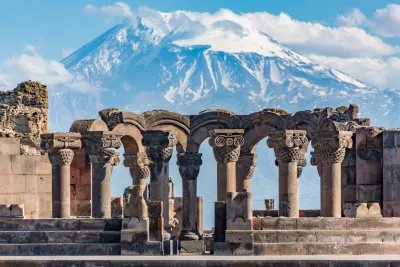
Armenian Wine for Beginners: Ancient Grapes, Mountain Views and No Pop Quiz
New to Armenian wine? Start with Areni, try a glass of Voskehat, enjoy the mountain views and relax: there’s no pop quiz, just a very good chance you’ll find a new favourite.
 🗺️ Destination Guides
How Georgian Wine Is Made in Qvevri: Meet the Clay Vessel with 8,000 Years of Confidence
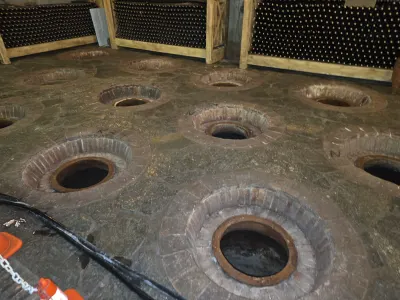
Meet the giant Georgian clay pot buried underground making excellent wine while you struggle to keep a basil plant alive. Eight thousand years of winemaking wisdom. Still no app required.
 🗺️ Destination Guides
Moldova’s National Wine Day: How to Pace Yourself at the World’s Most Tempting Homework Assignment
Moldova’s National Wine Day is the school trip your teachers deliberately kept quiet about. Discover fabulous wines, meet the makers and learn why “we’ll meet near the wine” is a spectacularly useless plan. Your homework? Find a favourite.
 🗺️ Destination Guides
The Time I Hosted a Wine Tasting Inside Chernobyl (Apparently a Normal Venue Was Too Obvious)
Most wine tastings take place in vineyards, cellars or hotels. Mine took place inside the Chernobyl Exclusion Zone after a day exploring abandoned cities and one of history's most famous disaster sites. Looking back, it remains the most unusual venue I've ever used and one of the best stories I've ever brought home.