Japan’s Izakaya Guide: Small Plates, Big Menus and the Courage to Point at Something
 Tipple Tours
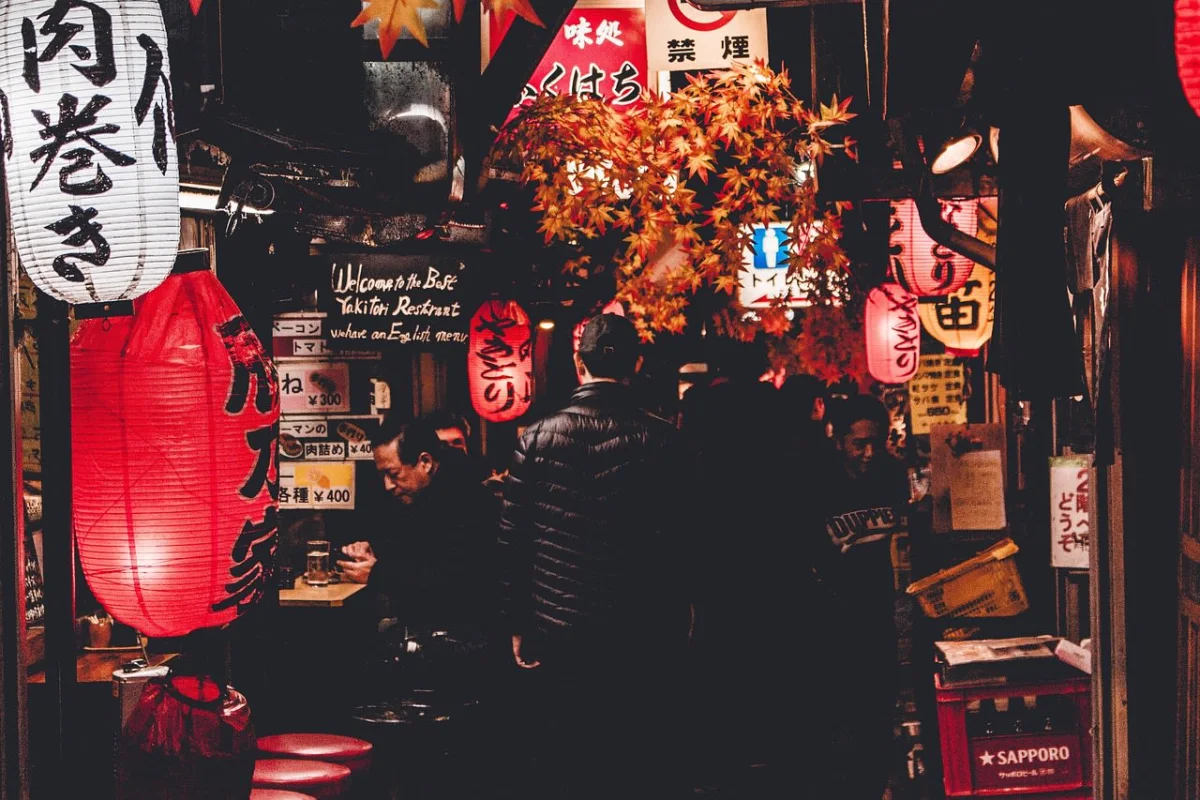
You’ve found an izakaya. The room is lively, the table is small and the menu contains enough Japanese writing to make your translation app quietly reconsider its career.
Good news: you don’t need to solve the menu like a detective uncovering a noodle-based conspiracy. An izakaya is a casual Japanese pub where people meet for drinks and a spread of food, usually ordered in several dishes and shared around the table. Think less “everyone orders a main course and guards it” and more “let’s try a few things and see what arrives.”
First, what is an izakaya?
Izakaya are relaxed places for drinks and food. They range from snug neighbourhood rooms to bigger restaurants, and the menus can feature everything from grilled skewers and fried chicken to tofu, vegetables, noodles and hot pot.
The food is often served in smaller portions, which makes it easy for the table to try several dishes. That’s the theory. In practice, one person orders chicken, other spots something involving cheese and suddenly the table has become a very informal food committee.
You don’t need to know the rules in advance. You just need a little curiosity and enough table space for another plate.
How ordering works
Start with a drink and a few dishes to share. Then order more as you go if everyone’s still hungry. That way you avoid the classic travel mistake of ordering the entire menu at once, then watching the table disappear beneath a small mountain of fried food.
If there’s a picture menu, use it. If there isn’t, point politely at a dish on the menu, or ask the staff for a recommendation. Pointing is a recognised international language, although “the one that looks delicious” may require a little interpretive skill.
You can also try a simple phrase: “Sumimasen” (すみません) is a polite way to get someone’s attention. A translation app can help with unfamiliar dishes, but don’t panic if it translates a menu item into something like “horse mackerel situation”. That may be technically accurate.
If you’re travelling with a group, coordinate orders. Japan’s official tourism guidance suggests sharing dishes and adding more as the meal goes on, while avoiding a table crowded with food no one can finish. It’s a sensible plan and a rare chance to practise restraint while surrounded by snacks.
The small dish that arrives before you order
At some izakaya, a small appetizer appears automatically after you sit down or order your first drink. It’s often called otoshi; in parts of western Japan, you may hear tsukidashi. It can be included with a per-person seating or cover charge, so it may appear on the bill even though you didn’t specifically order it.
This is not the waiter testing your reflexes or checking whether you can identify a mystery bean. It’s a local custom, and the details vary from place to place. If you’re unsure, ask politely what it is and whether there’s a charge. Then enjoy the tiny surprise and resist holding a formal investigation.
What should you try?
The exact menu depends on the restaurant, but many izakaya serve familiar favourites alongside regional dishes. Yakitori are grilled chicken skewers; karaage is Japanese-style fried chicken; edamame are young soybeans, often served with salt. You might also find tofu, pickles, sashimi, grilled fish, salads, rice dishes or noodles.
A good approach is to choose a mix: something grilled, something fresh, something warm and something you cannot pronounce yet. That last category is where the stories come from.
If you have dietary needs or allergies, make them clear before ordering. Don’t rely on a dish name alone to reveal every ingredient. A translation app can help you communicate, though for serious allergies it’s sensible to prepare a clear written explanation in Japanese in advance.
What do people drink?
Beer is a common choice, but menus may also offer sake, shochu, highballs, wine, soft drinks and other options. You don’t need to arrive with a tasting vocabulary or pretend you can detect “a whisper of mountain mist” in your glass.
Ask what the staff recommend, choose something that sounds good and enjoy it with the food. If you’re new to sake, you can ask whether it’s served warm or chilled. There is no prize for ordering the most mysterious drink on the list unless the prize is discovering you actually like it.
When raising a glass, “kanpai” means “cheers”. Say it, clink glasses if the table does and avoid treating the evening as a speed challenge. Izakaya are as much about the conversation and the food as they are about what’s in the glass.
A few small etiquette tips
Use the small individual plates provided when sharing food. Take a portion from the communal dish rather than treating it as your personal buffet. If there are serving chopsticks, use them for shared dishes; if not, follow the lead of the people at your table.
Tipping is not customary in Japan. A sincere “arigatō gozaimashita” (“thank you very much”) is a good way to show appreciation.
Most of all, be considerate. Keep your voice at a level that suits the room, be patient if the place is busy and don’t worry about performing perfect etiquette. A friendly attitude does more for the evening than mastering an advanced chopstick manoeuvre.
Is an izakaya suitable for first-timers?
Absolutely. It can be one of the easiest ways to try a range of Japanese dishes in a relaxed setting. You can order a little at a time, share with your companions and ask questions when something catches your eye.
The menu may initially look like a wall of beautiful mysteries. But once the first plates arrive, the process becomes simple: taste, share, decide what you like and order another round of food if you’re still hungry.
And if you point at the wrong thing? You may discover a new favourite. That is not a dining disaster. That is research with snacks.
The brave first-timer’s plan
Walk in, settle at the table, order a drink and a few dishes. Ask what the small appetizer is if one appears. Share the food, try something unfamiliar and let the staff guide you when the menu gets cryptic.
You don’t need to memorise every dish before you go. You only need to point with confidence, smile when the food arrives and remember that “I’ll just try one more” applies to plates as well as drinks.
Explore Related Tours
Turn This Story Into Your Adventure


Editorial Team
The Tipple Tours team writes about wine, beer, and travel based on firsthand experience running tours across Europe since 2018.
Learn more about usContinue Exploring
More Stories You'll Love
 🗺️ Destination Guides
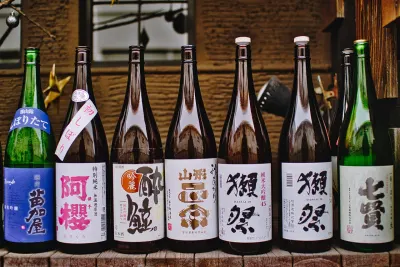
Sake, Japanese Whisky and Wine: How to Tell What’s in Your Glass
Sake is brewed from rice, Japanese whisky is distilled from grain and wine is fermented from grapes. Here’s how to tell what’s in your glass without inventing “hints of expensive woodland.”
 🗺️ Destination Guides
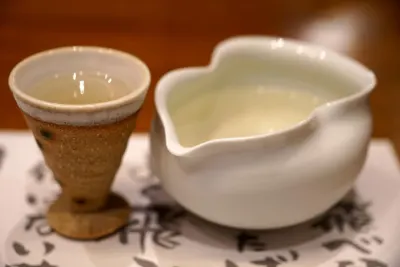
Sake Tasting for Beginners: A Guide for People Who Thought It Was Always Served Hot
Sake can be served chilled, warm or at room temperature, so you’re free to retire the “always hot” assumption. Here’s a simple beginner’s guide to tasting it without turning your notes into a plum-scented thesis.
 🗺️ Destination Guides
Can You Really Go on Holiday and Star in Your Own Movie?
Ever fancied becoming a movie star without the inconvenience of talent? Discover a holiday where you can drink Moldovan wine, battle zombie grandmothers and star in a horror film that Hollywood will desperately pretend doesn't exist.
 🗺️ Destination Guides
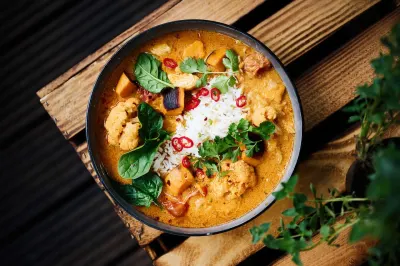
Wine with Curry: Pairing Indian Food Without Calling Everything “Spicy”
Pairing wine with curry shouldn’t require a spice degree or a waiter with a flip chart. From creamy korma to vindaloo with theatrical ambitions, here’s how to find a bottle that gets along with your dinner.
 🗺️ Destination Guides
Nashik Wine Country: India’s Vineyard Region Explained
Welcome to Nashik, where India swaps the chai for Chenin Blanc and “just a small tasting” develops into an afternoon with ambitions. Discover vineyards, Indian wines and why your tasting notes can safely remain “yes, more of that.”
 🗺️ Destination Guides
Bizarre Bites and Brilliant Brews: What to Eat on a Vietnam Beer Tour
Duck egg with lager? Crickets with a citrusy pale ale? Goat with something maltier? Here are playful beer matches for the Vietnam tour’s real menu—from familiar street-food favourites to optional bites with antennae.