Sake Tasting for Beginners: A Guide for People Who Thought It Was Always Served Hot
 Tipple Tours
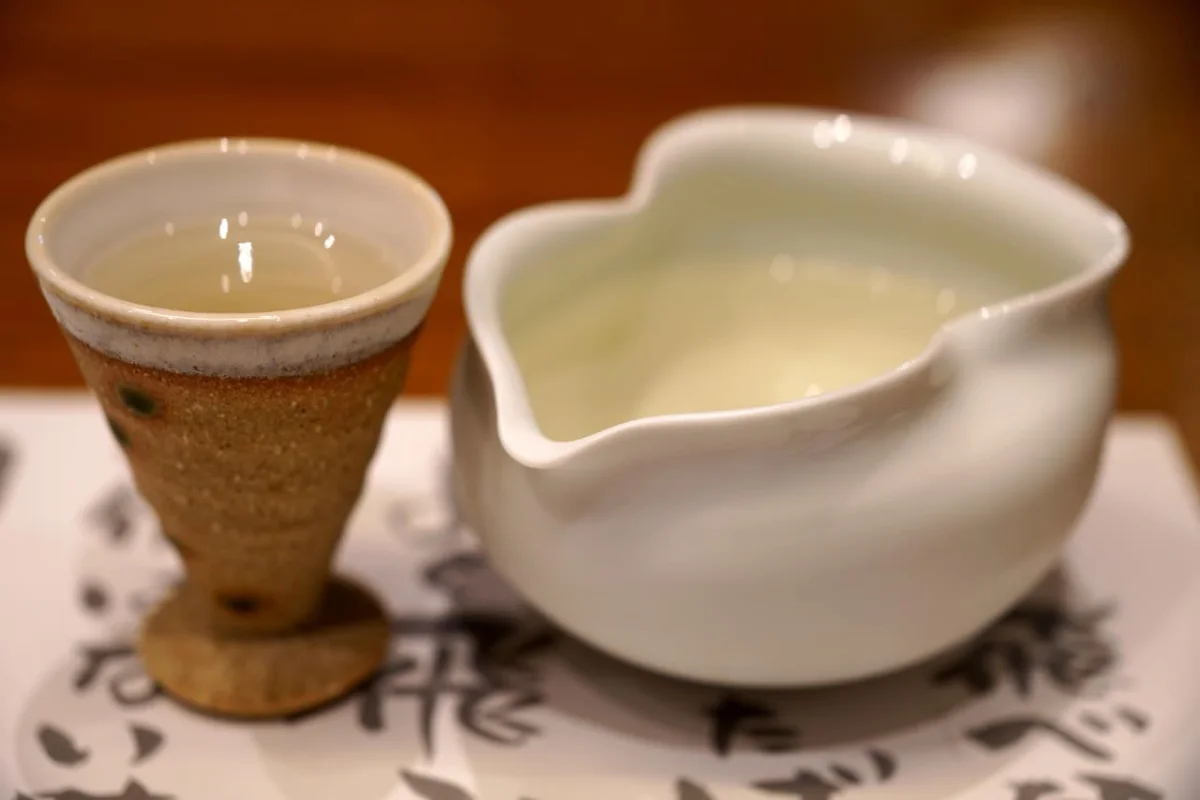
If your idea of sake is a tiny ceramic cup, a warm drink and someone saying “kanpai” while you try to look like you know what’s happening, you’re not alone.
But sake isn’t always served hot. It can be chilled, served at room temperature or gently warmed. The best temperature depends on the sake and your own taste. The good news: you don’t need to memorise a chart before you’re allowed a sip.
First things first: what is sake?
The rice-based drink often called sake outside Japan is known there as nihonshu. It’s brewed from rice, water, yeast and koji, a culture that helps turn rice starch into fermentable sugars. That makes it different from grape wine and from distilled drinks such as whisky.
Sake can be delicate and fragrant, rich and savoury, fruity, dry or gently sweet. The category contains more variety than “hot drink in a small cup” gives it credit for. That description is like calling all wine “grape juice with a passport”.
Hot, cold or room temperature?
All three are possible. Some aromatic styles, such as ginjo, are often served cool so their fragrance can shine. Some junmai styles are enjoyed at room temperature or warmed. But there’s no universal rule that says one temperature is right for every bottle.
If you’re at a tasting, ask the host how they recommend serving it. If you’re ordering at a restaurant, ask whether that particular sake is best chilled or warmed. Then try it and decide for yourself. The only serious error is pretending you prefer it warm because you once saw it served that way in a film.
A few words on the label
Japanese sake labels can look like a pop quiz in elegant lettering. You only need a couple of clues to get started.
Junmai means no distilled alcohol has been added. It often appears alongside other terms, such as junmai ginjo or junmai daiginjo.
Ginjo and daiginjo refer to styles made with rice polished to particular levels: for ginjo, 60% or less of the grain remains after polishing; for daiginjo, 50% or less remains. More polishing takes more work, but the word on the label isn’t a guarantee that you’ll like it more. “Fancy” and “favourite” are not synonyms.
You may also spot nigori, a cloudy style filtered more coarsely than clear sake. It can have a fuller, softer feel. Give the bottle a gentle look before pouring and follow the producer’s instructions; some styles settle, and vigorously shaking a bottle is rarely the most elegant opening move.
How to taste sake without getting a clipboard
You can use the same simple approach you’d use for wine, without the dramatic swirling that nearly sends the glass into the next prefecture.
Look: Notice whether it’s clear or cloudy and whether it’s pale or more golden.
Smell: Take a gentle sniff. You may notice fruit, flowers, rice, herbs or something you can’t quite name.
Sip: Take a small taste and notice whether it feels light, full, dry, sweet, crisp or smooth.
Decide: Ask yourself whether you like it. This step is essential and requires no specialist vocabulary.
If it reminds you of melon, say melon. If it reminds you of nothing in particular but you’d happily have another sip, say that. A tasting note is not a witness statement.
What should a beginner try?
Try a few different styles side by side if you can. A fragrant ginjo, a junmai with more body and a cloudy nigori can show how different sake can be. Ask the person pouring to explain what makes each one distinct.
Don’t treat the labels as a league table. Higher rice polishing or a longer name doesn’t mean a bottle will automatically suit your palate. One person’s crisp favourite may be another person’s “where did all the flavour go?” The point is to find what you enjoy.
Food helps too. Sake can pair with far more than sushi. Try it with the dishes on the table and notice how the flavours change together. You’ve now turned dinner into research, which is the most respectable excuse for ordering another small plate.
What if you don’t like the first one?
Try another style or temperature before deciding that sake isn’t for you. A chilled sake can feel very different from a warm one, and a lighter style can be worlds away from a rich, savoury bottle.
If you still don’t like it, that’s fine. Tasting is about discovering your preferences, not signing a lifelong contract with every drink you meet.
Beginner’s sake-tasting cheat sheet
Sake can be chilled, room temperature or warm. Ask what suits the bottle.
Junmai means no distilled alcohol has been added.
Ginjo and daiginjo refer to styles involving more polished rice; they’re not automatic “best” badges.
Try a few styles, take small sips and drink water between tastings.
“I like this one” is a complete tasting note. No plum dissertation required.
Sake is a drink with an enormous range of styles, traditions and serving choices. Start curious, taste at your own pace and don’t worry if you need the host to explain the label. That’s their job. Yours is to find the one you like—and remember which glass it was.
Explore Related Tours
Turn This Story Into Your Adventure


Editorial Team
The Tipple Tours team writes about wine, beer, and travel based on firsthand experience running tours across Europe since 2018.
Learn more about usContinue Exploring
More Stories You'll Love
 🗺️ Destination Guides
Sake, Japanese Whisky and Wine: How to Tell What’s in Your Glass
Sake is brewed from rice, Japanese whisky is distilled from grain and wine is fermented from grapes. Here’s how to tell what’s in your glass without inventing “hints of expensive woodland.”
 🗺️ Destination Guides
Japan’s Izakaya Guide: Small Plates, Big Menus and the Courage to Point at Something
An izakaya is a Japanese pub with shared plates, a big menu and the occasional appetizer you didn’t order. Here’s how to point, share and enjoy the evening.
 🗺️ Destination Guides
Can You Really Go on Holiday and Star in Your Own Movie?
Ever fancied becoming a movie star without the inconvenience of talent? Discover a holiday where you can drink Moldovan wine, battle zombie grandmothers and star in a horror film that Hollywood will desperately pretend doesn't exist.
 🗺️ Destination Guides
Wine with Curry: Pairing Indian Food Without Calling Everything “Spicy”
Pairing wine with curry shouldn’t require a spice degree or a waiter with a flip chart. From creamy korma to vindaloo with theatrical ambitions, here’s how to find a bottle that gets along with your dinner.
 🗺️ Destination Guides
Nashik Wine Country: India’s Vineyard Region Explained
Welcome to Nashik, where India swaps the chai for Chenin Blanc and “just a small tasting” develops into an afternoon with ambitions. Discover vineyards, Indian wines and why your tasting notes can safely remain “yes, more of that.”
 🗺️ Destination Guides
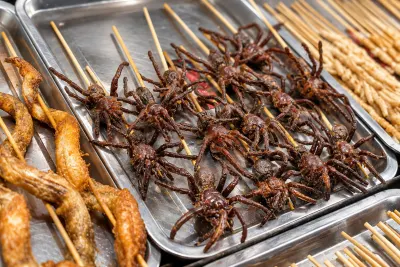
Bizarre Bites and Brilliant Brews: What to Eat on a Vietnam Beer Tour
Duck egg with lager? Crickets with a citrusy pale ale? Goat with something maltier? Here are playful beer matches for the Vietnam tour’s real menu—from familiar street-food favourites to optional bites with antennae.