Cask Ale vs Keg Beer: Britain’s Pub Question, Finally Explained
 Tipple Tours
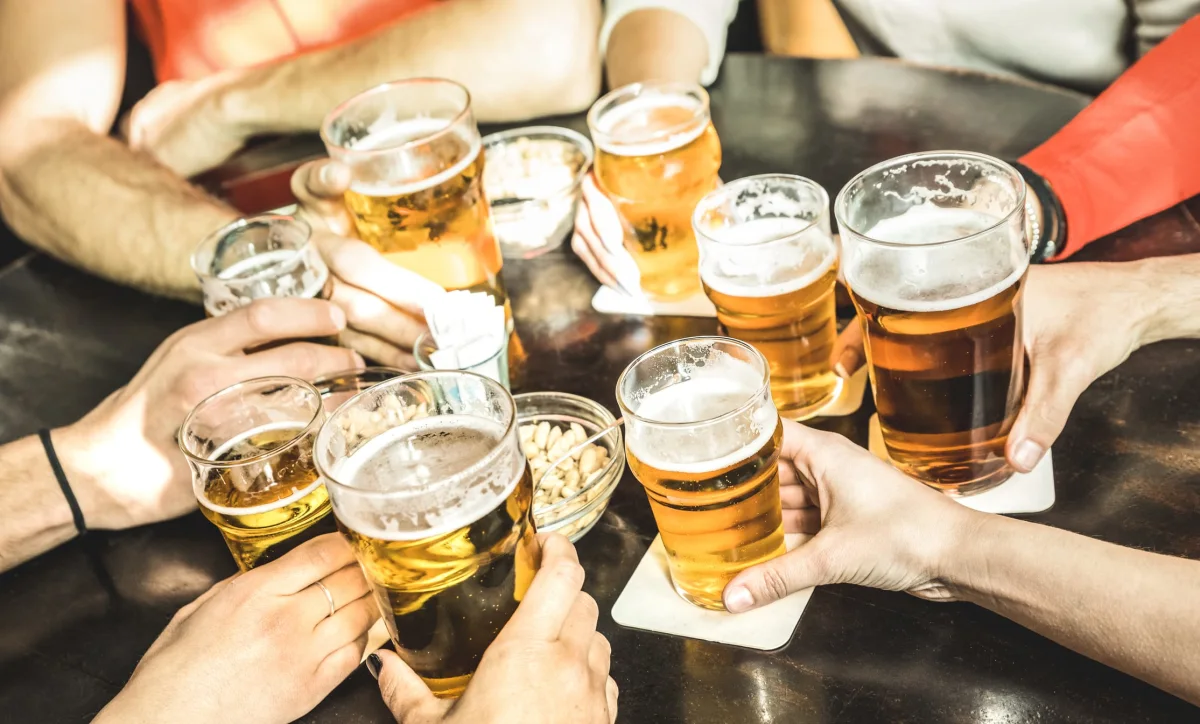
Few pub questions can turn a cheerful drink into a committee meeting faster than: “Is that cask or keg?”
One person says cask ale is the soul of Britain. Another says keg beer is cold, crisp and absolutely fine, thank you. A third has gone to the bar because this debate is taking longer than ordering the drinks.
Here’s the simple version: cask and keg describe different ways beer is conditioned and served. Cask ale usually finishes conditioning in the cask and is served without gas being forced into the beer. Keg beer is dispensed from a sealed, pressurised container, with gas pushing it through the lines and into your glass.
That’s the pub question explained. No bar exam. No hand-pump dissertation. You may now order a pint.
What is cask ale?
Cask ale is transferred into a cask before its final conditioning is complete. Live yeast and fermentable sugars can continue working inside, helping the beer develop its condition and gentle natural carbonation.
At the pub, the cask is allowed to settle and is usually served from a hand pump or by gravity. The beer is not pushed out by injecting gas into it. It often has a softer fizz and is served cool rather than icy cold, so its flavours can come through.
Cask ale is sometimes called real ale, especially in CAMRA’s terminology. But don’t panic if you hear a different phrase from a brewer or bartender. Beer language has more subcommittees than most local councils.
And what is keg beer?
Keg beer is stored in a sealed, pressurised keg. Gas in the dispense system pushes the beer through the line to the tap. It is often served colder and with more carbonation than cask ale, though the exact setup depends on the beer and the pub.
Keg is not a beer style. A keg can contain lager, stout, pale ale, bitter or a beer that has a name so long it needs its own table booking. Modern brewing also blurs some old distinctions: keg beer may be unfiltered, live or conditioned in the container. “Keg” does not automatically mean bland, and “cask” does not automatically mean brilliant.
A well-kept pint is a well-kept pint. The container is not a personality test.
The difference you’ll notice in the glass
Cask ale often has gentler carbonation, a softer mouthfeel and a slightly warmer serving temperature. Keg beer is commonly fizzier and colder, with a more lively sparkle.
That is a general guide, not a law carved into the bar. There are exceptions, different dispense systems and plenty of breweries making beer that refuses to sit obediently in a category.
Try the same style in both formats if you get the chance. A pale ale from cask and a pale ale from keg can taste quite different, even if the label sounds like the same beer. The comparison is more useful than an argument with a stranger who keeps saying “proper pint” as if it were a royal title.
Is cask ale supposed to be warm and flat?
No. Cask ale should not be warm and flat. It should be cool, fresh and gently carbonated. If it tastes tired, lifeless or suspiciously like it has been waiting for a bus since Tuesday, the problem may be the beer’s condition or how it has been handled—not the fact that it came from a cask.
Cask beer needs care. It can continue to mature in the cellar, and once tapped it has a limited window in which it should be served at its best. Cellar temperature, settling and how quickly the cask is sold all matter.
This is one reason cask ale has a reputation for being demanding. It likes attention. Think of it as a houseplant that tastes better, but still gets grumpy if you forget it for a week.
Is keg beer always fizzy and cold?
Not necessarily. Keg dispense usually involves pressure and often produces a livelier level of carbonation, but beer styles and pub systems vary. Some keg beers are less fizzy than you might expect; others arrive with enough sparkle to make the head look as though it has just heard excellent gossip.
Cold serving can suit some beers and mute others. A good pub should serve each beer in a way that works for its style. If you’re curious, ask the person behind the bar. They may be delighted to talk about the beer—and if not, they will at least tell you what the pump is pouring.
Which one tastes better?
That depends on the beer, the brewery, the cellar, the dispense system and what you enjoy. Cask can offer a softer, more rounded experience. Keg can deliver crispness, reliable carbonation and a wide range of styles. Either can be outstanding. Either can disappoint.
The best rule is to judge the beer in front of you. If the cask bitter is beautifully balanced, enjoy it. If the keg IPA is bright and delicious, enjoy that too. You do not have to choose a side and get it tattooed on your CAMRA membership card.
How to order without starting a pub seminar
Ask what is on cask and what is on keg. If you know the style you like, say so. “Something malty and not too bitter” is useful. “A beer that tastes like the pub carpet but in a nostalgic way” may take longer to decode.
If you’re exploring, try a half pint first. You can compare formats, ask the bar staff what they recommend and avoid committing to a full pint of something that turns out to be a liquid version of a marching band.
Most of all, don’t worry about choosing correctly. There is no secret handshake. The correct beer is the one you enjoy, served in good condition, by someone who has not had to explain the difference between cask and keg for the twelfth time that evening.
The verdict
Cask ale and keg beer are not rival football teams. They are different ways of conditioning and serving beer, each with its own strengths. Cask often means gentler carbonation and a hand-pulled pint; keg means a sealed, pressurised dispense and can cover a huge range of beer styles.
Try both. Ask questions. Be kind to the person at the bar. And if the debate starts getting heated, order another round of whatever everyone actually likes.
Tipple Tours takes that same curiosity about local beer and drinking culture on small-group adventures around the world. Find out more on the Tipple Tours website—where pub debates are welcome, but nobody has to defend their pint in court.
Explore Related Tours
Turn This Story Into Your Adventure
Editorial Team
The Tipple Tours team writes about wine, beer, and travel based on firsthand experience running tours across Europe since 2018.
Learn more about usContinue Exploring
More Stories You'll Love
 🗺️ Destination Guides
What Happens on a British Pub and Beer Adventure?
Expect local beers, pub characters, a round or two and a quiz answer you’re sure you knew. Here’s how to enjoy Britain’s pub culture without treating the crawl like an Olympic event.
 🗺️ Destination Guides
Saigon Craft Beer: A Beginner’s Guide to Vietnam’s Modern Brewery Scene
New to Saigon craft beer? Start with a lager, explore a pale ale or IPA and ask the bartender what’s on tap. No hop diploma required; confident pointing is entirely acceptable.
 🗺️ Destination Guides
What to Expect on a Nepal Beer Tour: Temples, Tastings and Yeti-sized Curiosity
Temples, local food, Nepalese beer and mountains dramatic enough to make your camera nervous. Here’s what a Nepal beer tour could involve and why the Yeti’s tasting notes remain unavailable.
 🗺️ Destination Guides
Can You Really Go on Holiday and Star in Your Own Movie?
Ever fancied becoming a movie star without the inconvenience of talent? Discover a holiday where you can drink Moldovan wine, battle zombie grandmothers and star in a horror film that Hollywood will desperately pretend doesn't exist.
 🗺️ Destination Guides
Wine with Curry: Pairing Indian Food Without Calling Everything “Spicy”
Pairing wine with curry shouldn’t require a spice degree or a waiter with a flip chart. From creamy korma to vindaloo with theatrical ambitions, here’s how to find a bottle that gets along with your dinner.
 🗺️ Destination Guides
Nashik Wine Country: India’s Vineyard Region Explained
Welcome to Nashik, where India swaps the chai for Chenin Blanc and “just a small tasting” develops into an afternoon with ambitions. Discover vineyards, Indian wines and why your tasting notes can safely remain “yes, more of that.”