Irish Whiskey for Beginners: What’s in the Glass and Why It’s Spelled That Way
 Tipple Tours
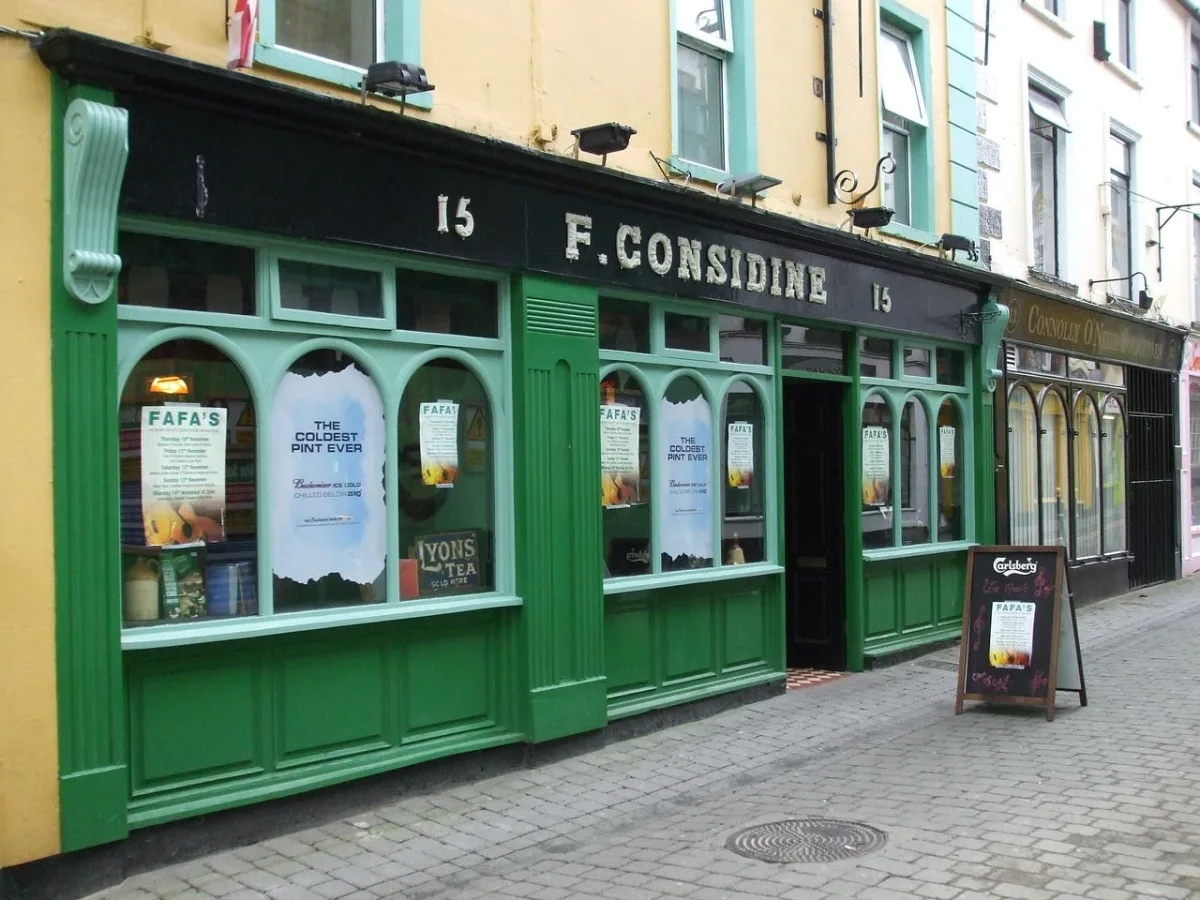
Irish whiskey is grain, yeast, a still, a wooden cask and a few hundred years of people arguing over whether it should have an “e”.
The good news is you do not need to settle that argument before you order a glass. You do not need to know your mash bill from your mash-up, either. Start with what Irish whiskey is, what the label means and what you enjoy. The rest can wait until after the first sip.
What is Irish whiskey made from?
At its simplest, whiskey begins with cereal grains. The grains are milled and mixed with water to make a mash. Yeast ferments the sugars into alcohol, the resulting liquid is distilled and then matured in wooden casks.
To be sold as Irish whiskey, it must be produced on the island of Ireland and matured in wooden casks there for at least three years. That is the legal framework; inside it, distillers have room to work with different grains, stills and casks.
Barley is important, but it is not the only grain used. Depending on the style, a whiskey may involve malted barley, unmalted barley, wheat, maize or other grains. Different recipes and production choices make for different spirits. It’s a lot more interesting than “brown drink in a glass”, though that description remains available to beginners.
The four main styles to know
You do not need to memorise every bottle in the shop. These four labels give you a useful starting point.
Single malt
Made from 100% malted barley and distilled at one distillery. “Single” refers to the distillery, not one barrel, one grain or one exceptionally lonely maltster.
Single pot still
A distinctive Irish style made using a mash that includes both malted and unmalted barley. It can have a rich, spicy character, though the flavour varies from producer to producer. If you see “single pot still” on the label, you have found a particularly Irish chapter of the whiskey story.
Single grain
Made from a grain recipe that can include cereals other than malted barley and produced at one distillery. “Grain” does not mean it is unfinished or somehow less worthy. It is simply a different style, made by a different route.
Blended whiskey
A blend combines two or more whiskey styles, such as malt, pot still or grain whiskey. Blending is not a cover-up. It is a craft: the blender selects and combines spirits to make a particular flavour and consistency.
Think of the four styles as a menu, not a ranking. “Single” does not automatically mean superior, and “blended” does not mean the blender has been tidying up a disaster.
What does the cask do?
After distillation, Irish whiskey matures in wooden casks for at least three years. The cask helps shape the spirit’s colour, aroma and flavour. Producers may use new or previously used casks, including those that held bourbon, sherry, port or other drinks.
That is where notes of vanilla, spice, dried fruit, caramel or toasted wood may come from. Cask choice and time matter, but the whiskey is not simply left in a barrel and asked to become interesting by itself. The distiller and blender make many decisions along the way.
If a tasting guide says “hints of oak”, you can nod thoughtfully. If all you detect is “warm and rather nice”, that is also a perfectly respectable result.
Why does Irish whiskey have an “e”?
The short answer: Irish producers commonly write whiskey, while Scotland commonly writes whisky. The longer answer involves history, national identity and nineteenth-century arguments about how spirits should be made and blended.
The extra “e” became an established way for Irish distillers to distinguish their whiskey from Scotch whisky. But the story is more complicated than a neat spelling rule invented around one pub table. The spelling can suggest a tradition or origin, but it does not tell you everything about what is in the bottle—and there are exceptions around the world.
So why does the label say whiskey? Because that is the Irish convention. Why does the Scottish bottle say whisky? Because that is the Scottish convention. Why does this become a fierce debate at dinner? Because the drink is already open.
Does Irish whiskey always taste smooth?
No. “Smooth” is a common description, but Irish whiskey is not one single flavour. Some are light and approachable; others are fuller, spicy, fruity, oaky or robust. The grain recipe, still, distillation choices, cask and blending all make a difference.
Also, not all Irish whiskey is triple distilled. Many distilleries use triple distillation, but some use other approaches. It is a popular association, not a rule that every bottle has to pass through three rounds of the copper obstacle course.
If you prefer lighter spirits, start with a classic blend or ask for something approachable. If you like richer flavours, try a pot still whiskey or a more mature expression. The bartender can help you find a style that suits you better than a random guess based on the label’s gold foil.
How to taste Irish whiskey without studying for it
Pour a small measure and take your time.
First, look at the colour. Then smell it gently; you do not need to inhale like a vacuum cleaner at a distillery. Take a small sip and notice whether it feels light or rich, sweet or spicy, soft or warming. If you want, add a few drops of water and see how the aroma changes.
You can taste it neat, with water or in a cocktail. There is no secret ceremony in which a committee arrives to confiscate your glass if you use ice. Follow the producer’s recommendation if there is one, then drink it in the way you enjoy.
Useful beginner’s tasting notes include:
“Light and easy to drink.”
“I like the spice.”
“That one has a long finish.”
“Could I try the other one?”
That last sentence is the foundation of serious research.
What to ask at a whiskey tasting
If you’re visiting a distillery or trying a flight, ask what grains were used, which casks shaped the whiskey and how the styles differ. Ask whether the whiskey is a blend, single malt, single pot still or single grain.
You do not need to ask all four questions in one breath. This is a tasting, not a job interview for the barrel.
Irish whiskey is a brilliant drink to explore because the styles can differ so much while sharing an island and a broad tradition. Start with one glass, discover what you like and let the spelling take care of itself.
Tipple Tours builds small-group adventures around local drinks and the stories behind them. See our current wine and beer tours for destinations where the next tasting comes with a new place to explore.
Irish whiskey: grain, craft, cask and history, with an “e” that has sparked plenty of conversation. You can enjoy the glass without taking sides in the spelling debate. Unless you want to. In that case, at least wait until everyone has eaten.
Explore Related Tours
Turn This Story Into Your Adventure
Editorial Team
The Tipple Tours team writes about wine, beer, and travel based on firsthand experience running tours across Europe since 2018.
Learn more about usContinue Exploring
More Stories You'll Love
 🗺️ Destination Guides
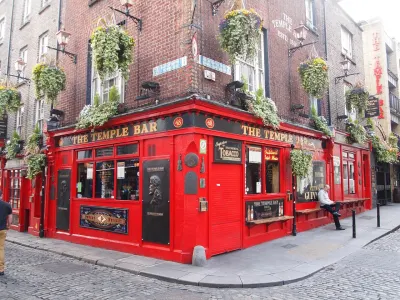
Dublin to Galway: A First-timer’s Guide to Pubs, Whiskey and Irish Craic
Start in Dublin with a whiskey tour, head west to Galway for pubs, music and craic, and leave time for food, wandering and the occasional sensible decision.
 🗺️ Destination Guides
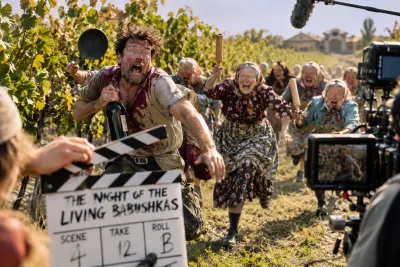
Can You Really Go on Holiday and Star in Your Own Movie?
Ever fancied becoming a movie star without the inconvenience of talent? Discover a holiday where you can drink Moldovan wine, battle zombie grandmothers and star in a horror film that Hollywood will desperately pretend doesn't exist.
 🗺️ Destination Guides
Wine with Curry: Pairing Indian Food Without Calling Everything “Spicy”
Pairing wine with curry shouldn’t require a spice degree or a waiter with a flip chart. From creamy korma to vindaloo with theatrical ambitions, here’s how to find a bottle that gets along with your dinner.
 🗺️ Destination Guides
Nashik Wine Country: India’s Vineyard Region Explained
Welcome to Nashik, where India swaps the chai for Chenin Blanc and “just a small tasting” develops into an afternoon with ambitions. Discover vineyards, Indian wines and why your tasting notes can safely remain “yes, more of that.”
 🗺️ Destination Guides
Bizarre Bites and Brilliant Brews: What to Eat on a Vietnam Beer Tour
Duck egg with lager? Crickets with a citrusy pale ale? Goat with something maltier? Here are playful beer matches for the Vietnam tour’s real menu—from familiar street-food favourites to optional bites with antennae.
 🗺️ Destination Guides
Saigon Craft Beer: A Beginner’s Guide to Vietnam’s Modern Brewery Scene
New to Saigon craft beer? Start with a lager, explore a pale ale or IPA and ask the bartender what’s on tap. No hop diploma required; confident pointing is entirely acceptable.